
Weight loss surgery
Weight loss surgery
An evidence-based guide to metabolic and bariatric surgery, candidacy, benefits, risks and long-term care.
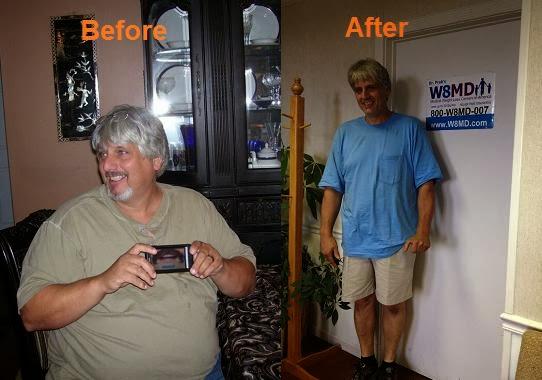
What is weight-loss surgery?
Weight-loss surgery, also called metabolic or bariatric surgery, changes the stomach and sometimes the small intestine to support substantial, durable weight loss and improve obesity-related disease. It is performed by a specialized surgical team after comprehensive evaluation.
Modern eligibility considers BMI, metabolic disease, previous treatment, surgical risk and the expected benefit of an operation—not BMI alone.
Common procedures
| Procedure | How it works | Selected considerations |
|---|---|---|
| Sleeve gastrectomy | Removes most of the stomach and creates a narrow sleeve | No intestinal bypass; irreversible; reflux and nutrient concerns require follow-up |
| Roux-en-Y gastric bypass | Creates a small stomach pouch and reroutes part of the small intestine | Strong metabolic effects; greater malabsorption and complexity |
| Biliopancreatic diversion with duodenal switch | Combines sleeve-like restriction with a substantial intestinal bypass | Potentially powerful weight loss but higher nutritional risk |
| Adjustable gastric band | Places an adjustable band around the upper stomach | Less commonly performed; lower average loss and possible reoperation |
Benefits and risks
Potential benefits
- Substantial weight loss
- Improvement in type 2 diabetes
- Lower blood pressure and lipid burden
- Improved sleep apnea, mobility and quality of life
Early risks
- Bleeding or infection
- Blood clots
- Leakage at surgical connections
- Anesthesia complications
Long-term risks
- Vitamin and mineral deficiencies
- Gallstones
- Ulcers, reflux or dumping symptoms
- Need for additional procedures
Lifelong follow-up
- Protein and hydration goals
- Prescribed vitamin supplementation
- Laboratory monitoring
- Pregnancy and medication planning
Medication and surgery are complementary tools
GLP-1 and GIP/GLP-1 medications have changed nonsurgical obesity treatment, but they do not eliminate the role of surgery. Medication may be used before surgery, as an alternative for selected patients, or after surgery for inadequate loss or weight recurrence. Decisions should be made collaboratively with obesity-medicine and bariatric-surgery professionals.
How W8MD can help
W8MD is not a bariatric surgical facility. The team can provide medical weight-management evaluation, help patients understand nonsurgical options, address sleep apnea and metabolic risk, and assist with weight recurrence after bariatric surgery. When surgery may be appropriate, W8MD can recommend evaluation by a qualified metabolic and bariatric surgeon.
Frequently asked questions
Is surgery a shortcut?
No. It is a major evidence-based treatment for severe obesity and requires preparation and lifelong follow-up.
Can weight return after surgery?
Yes. Some regain is possible, and recurrence should prompt assessment of anatomy, nutrition, behavior, sleep, medications and metabolic factors.
Can GLP-1 medication be used after surgery?
Sometimes, under medical supervision. The appropriate product and dose depend on anatomy, symptoms, nutrition and medical history.
Authoritative sources
Discuss medical and surgical weight-management options
W8MD Weight Loss, Sleep & MedSpa provides physician-supervised care in Brooklyn, New York and Northeast Philadelphia. Telehealth may be available for eligible patients based on location and applicable requirements.
Contact W8MD