
Veganism and vegan diets
Veganism and vegan diets
A practical guide to vegan nutrition, protein, vitamin B12, weight management, meal planning and common nutrient risks.
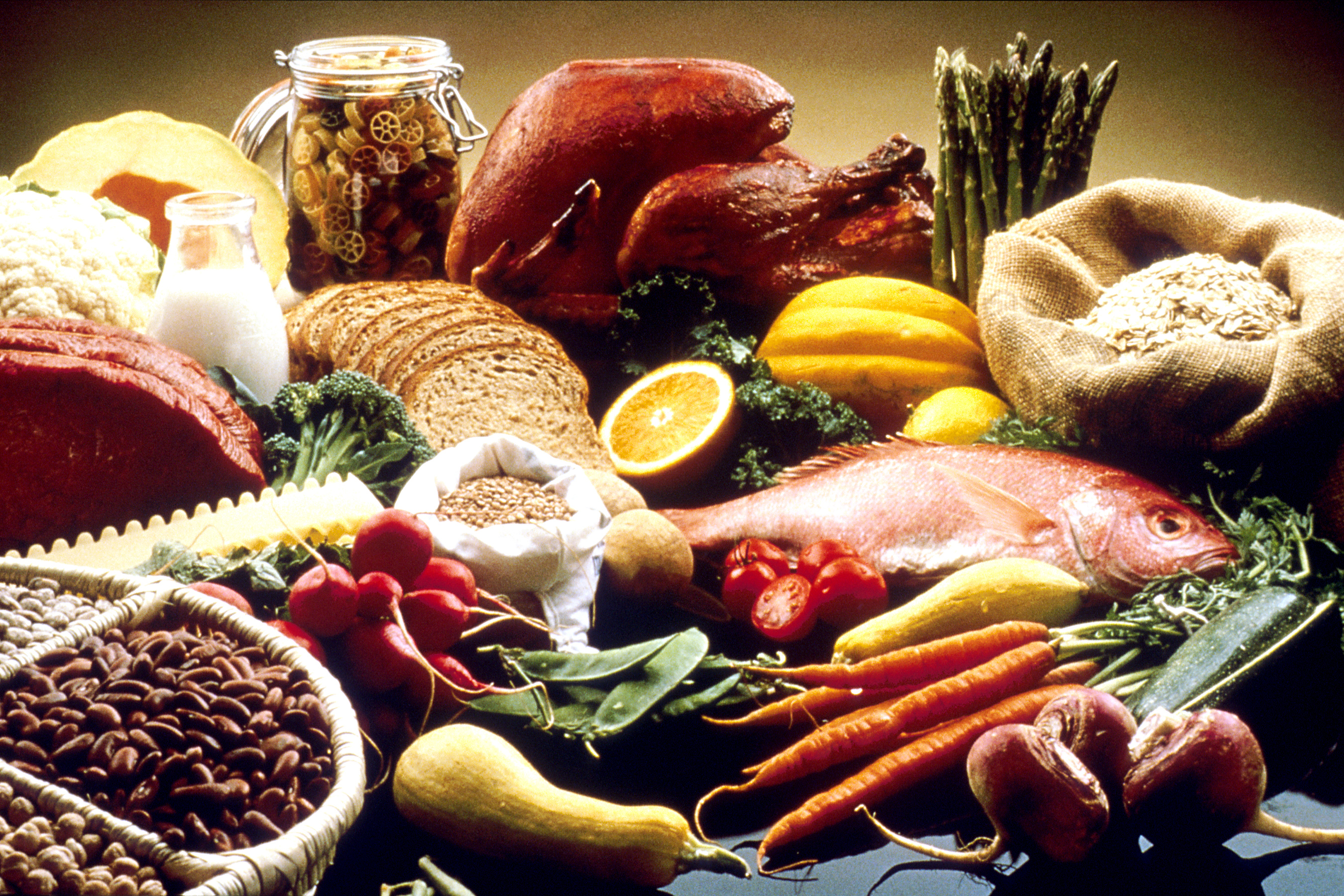
What is veganism?
Veganism avoids animal-derived foods; many people also avoid animal products in clothing and other areas. A well-planned vegan diet can be nutritionally adequate, but removing animal foods does not automatically make a diet balanced or weight reducing.
Building a nutritionally complete vegan diet
| Nutrient | Vegan sources | Planning issue |
|---|---|---|
| Protein | Beans, lentils, tofu, tempeh, edamame, seitan, soy milk | Distribute across meals; needs may rise during weight loss or aging |
| Vitamin B12 | Fortified foods and supplements | Reliable supplementation is essential |
| Iron | Legumes, tofu, fortified grains, seeds | Pair with vitamin C; testing may be appropriate |
| Calcium and vitamin D | Fortified plant milks, calcium-set tofu, greens | Check fortification and total intake |
| Iodine | Iodized salt or measured supplements | Seaweed content is highly variable |
| Omega-3 fats | Flax, chia, walnuts; algae-derived DHA/EPA | Consider life stage and cardiovascular needs |
| Zinc | Beans, nuts, seeds and whole grains | Soaking, sprouting and varied foods may improve availability |
Vegan diets and weight management
High-fiber plant foods can support satiety and lower calorie density. However, refined grains, sweets, fried foods and many vegan substitutes remain energy dense. Effective loss still requires appropriate portions, adequate protein, sleep, activity and long-term adherence.
Sample balanced day
Breakfast
Fortified soy yogurt with berries, chia and oats, or tofu scramble with vegetables.
Lunch
Lentil-quinoa bowl with greens, peppers and measured tahini dressing.
Snack
Edamame, fruit with nuts, or a low-sugar fortified protein option.
Dinner
Tofu or tempeh stir-fry with vegetables and a controlled portion of brown rice.
Who needs additional guidance?
Pregnancy, childhood, older age, kidney disease, bariatric surgery, eating disorders and very-low-calorie treatment require individual planning. Patients using GLP-1 therapy should protect protein, fluids and micronutrients when appetite is low.
How W8MD can help
W8MD physicians and clinicians evaluate weight history, medications, nutrition, body composition, metabolic risk factors and sleep-related barriers before recommending an individualized plan. Available services may include medical weight loss, GLP-1 treatment evaluation, established oral medications, nutrition planning, sleep-apnea care and long-term maintenance support.
When an FDA-approved medication is appropriate and insurance coverage exists, W8MD can review benefits and assist with prior-authorization documentation. Coverage and approval are determined by the health plan.
W8MD can create a calorie-appropriate vegan plan, set protein goals, review supplements and laboratory risks, and adapt meals for diabetes, GLP-1 treatment or weight maintenance without asking patients to abandon ethical or cultural preferences.
Frequently asked questions
Is vegan food automatically healthy?
No. Processing, portions, added sugar, sodium, protein and overall dietary pattern matter.
Do all vegans need vitamin B12?
A reliable fortified source or supplement is necessary because unfortified plant foods are not dependable sources.
Can vegan eating work with GLP-1 medication?
Yes, with deliberate protein, hydration, fiber and micronutrient planning.
Authoritative sources
Request a personalized plant-based weight plan
W8MD Weight Loss, Sleep & MedSpa provides physician-supervised care in Brooklyn, New York and Northeast Philadelphia. Telehealth may be available for eligible patients based on location and applicable requirements.
Contact W8MD