
Low-glycemic foods
Low-glycemic foods
A practical list of low-glycemic foods, glycemic index and load, portion effects, meal planning and diabetes safety.
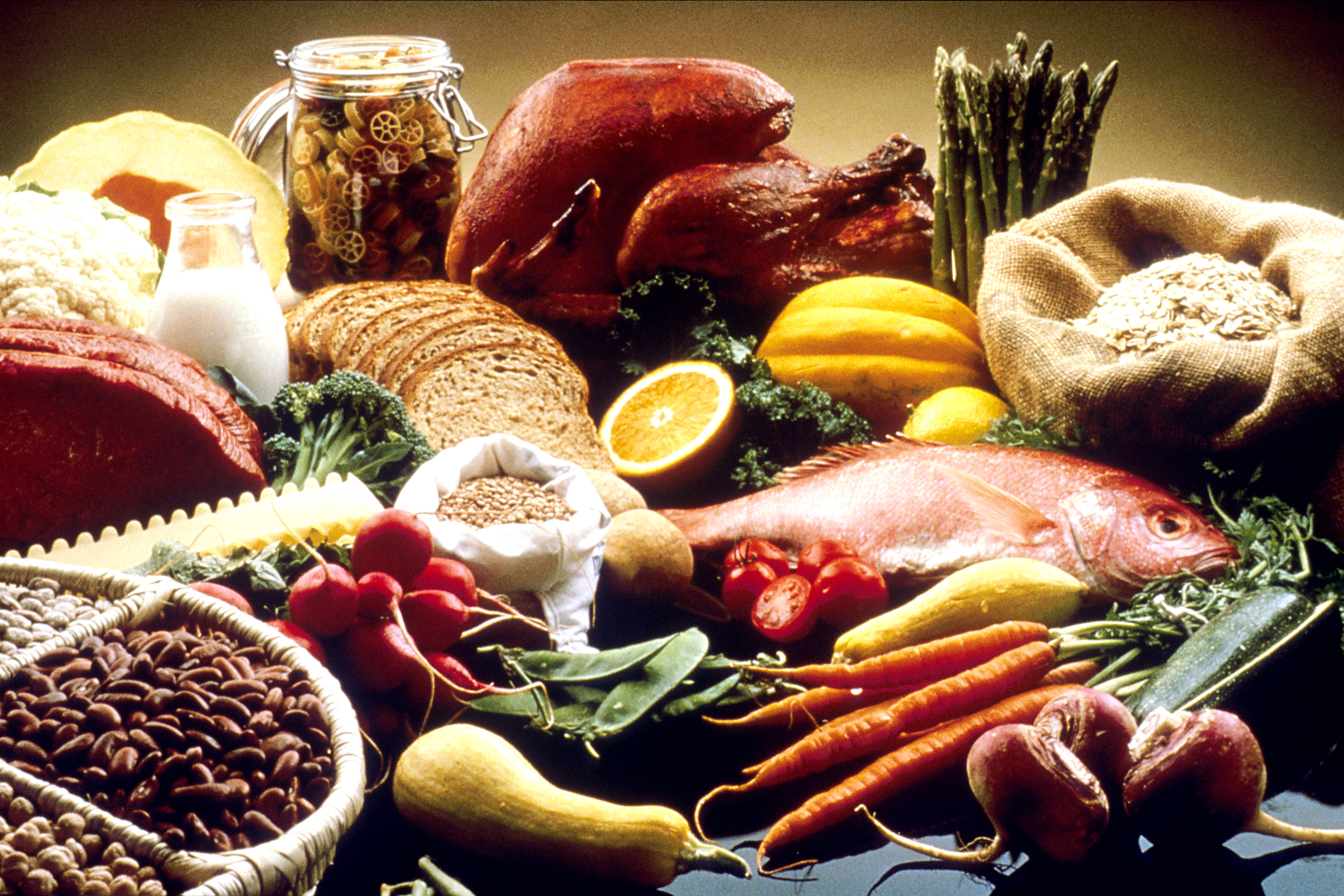
What are low-glycemic foods?
The glycemic index (GI) ranks carbohydrate foods by how quickly a standardized amount raises glucose. Low-GI foods score 55 or less, medium 56–69 and high 70 or more. Glycemic load also considers the amount of carbohydrate in the portion actually eaten.
Lower-glycemic choices
| Group | Examples | Planning note |
|---|---|---|
| Legumes | Lentils, chickpeas, black beans | Fiber and protein slow digestion |
| Intact grains | Steel-cut oats, barley, quinoa | Processing and cooking time affect response |
| Fruit | Berries, apples, pears, citrus | Whole fruit generally has lower impact than juice |
| Nonstarchy vegetables | Leafy greens, broccoli, peppers | Low carbohydrate and nutrient dense |
| Dairy or alternatives | Plain yogurt, milk, unsweetened soy milk | Check added sugar and individual tolerance |
What GI does not tell you
Portion size
A large portion of a low-GI food can still deliver substantial carbohydrate.
Nutrition quality
A low GI does not guarantee adequate protein, vitamins or healthy fat.
Mixed meals
Protein, fat, fiber, acidity and cooking method change the overall response.
Individual response
Sleep, activity, medicines and personal metabolism influence glucose.
Building a lower-glycemic meal
- Start with nonstarchy vegetables.
- Add an appropriate protein source.
- Choose a measured high-fiber carbohydrate.
- Include a modest unsaturated-fat source if desired.
- Use glucose data and symptoms to adjust portions with the care team.
How W8MD can help
W8MD can combine low-glycemic food selection with carbohydrate counting, calorie goals and diabetes medicines. Patients using insulin or sulfonylureas should not sharply reduce carbohydrate without a medication plan.
Frequently asked questions
Are low-GI foods always low carbohydrate?
No. Beans and grains can be low GI yet contain meaningful carbohydrate.
Is GI useful for weight loss?
It may improve food quality and satiety, but total calories and adherence remain important.
Does cooking change GI?
Yes. Processing, ripeness and longer cooking can increase digestibility and glucose response.
Authoritative sources
Create a glucose-conscious nutrition plan
W8MD Weight Loss, Sleep & MedSpa provides physician-supervised care in Brooklyn, New York and Northeast Philadelphia. Telehealth may be available for eligible patients based on location and applicable requirements.
Contact W8MD