
Western diet
Western diet
What the Western dietary pattern includes, its health associations and practical ways to eat more nutrient-dense foods.
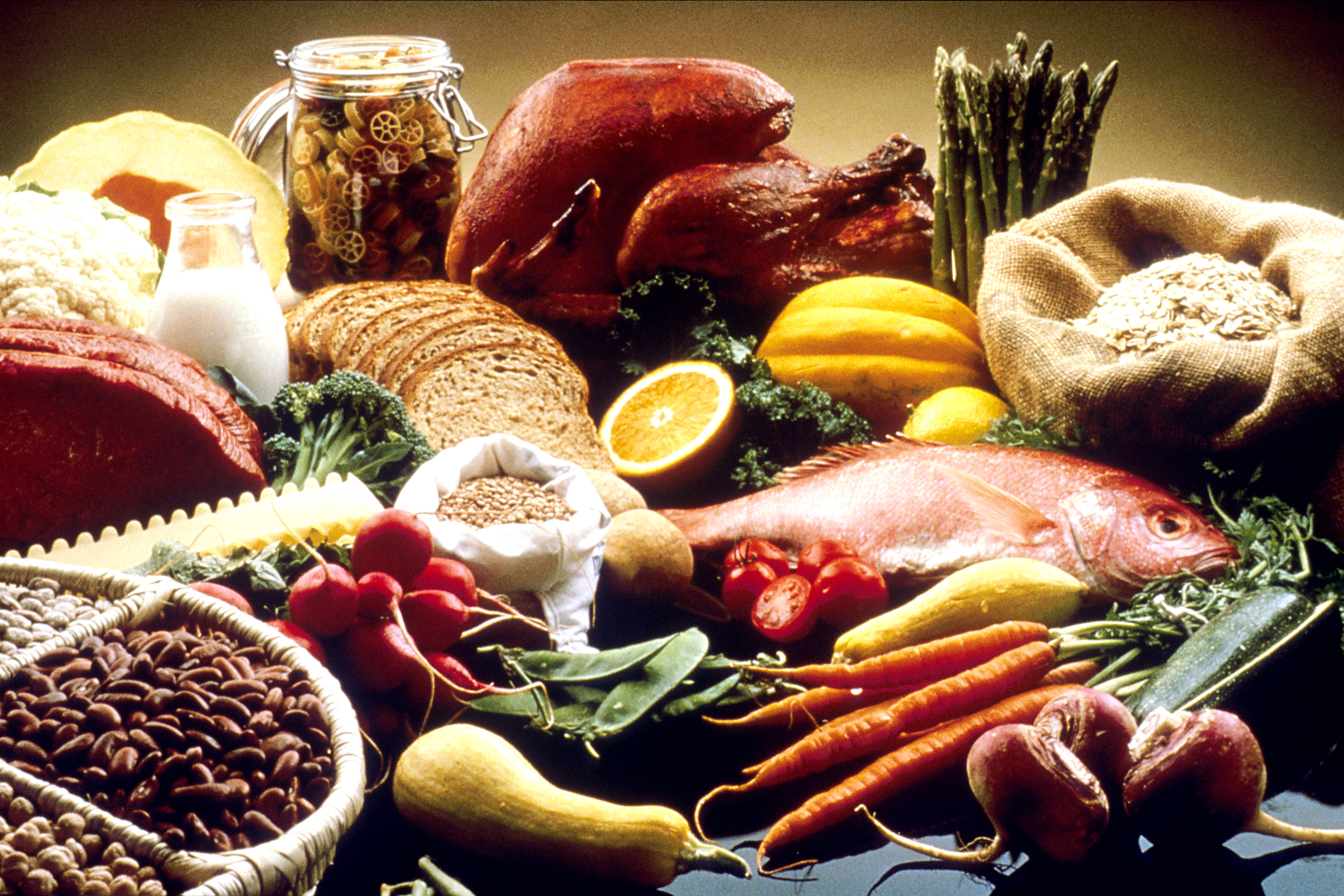
What is the Western diet?
The Western dietary pattern describes eating dominated by highly processed foods, refined grains, added sugars, sodium, processed meats and sugar-sweetened beverages, with relatively little fiber, vegetables, fruit, legumes and intact whole grains. It is a research pattern—not a judgment about nationality or an individual food.
Typical features
Highly processed foods
Packaged snacks, sweets, fast food and ready-to-eat products engineered for convenience.
Refined carbohydrates
White-flour products, sugary cereals and sweetened drinks with limited fiber.
Processed meat and sodium
Frequent processed meats and restaurant foods can raise sodium and saturated-fat intake.
Low plant diversity
Insufficient vegetables, fruit, legumes, nuts and whole grains reduces fiber and micronutrients.
Health associations
Greater adherence is associated with obesity, type 2 diabetes, cardiovascular disease, fatty liver and some cancers. Association does not mean one meal causes disease; cumulative pattern, portions, activity, sleep, genetics and social conditions interact.
Moving toward a healthier pattern
| Instead of relying on | Try more often |
|---|---|
| Sugary drinks | Water, sparkling water or unsweetened beverages |
| Refined snack foods | Fruit, yogurt, nuts or planned protein-rich snacks |
| Processed meat | Fish, poultry, beans, lentils or less-processed lean meat |
| Large refined starch portions | Vegetables plus a measured whole-grain or bean portion |
| Frequent takeout | Simple home meals or carefully selected restaurant options |
Food environment matters
Time, cost, transportation, marketing and neighborhood access influence eating. Effective counseling uses affordable substitutions and gradual improvement instead of blame or perfectionism.
How W8MD can help
W8MD can assess the overall pattern, identify the highest-impact substitutions and create a culturally familiar calorie and protein plan. Patients do not need to follow a single branded diet to improve metabolic health.
Frequently asked questions
Must every processed food be avoided?
No. Processing exists on a spectrum; the aim is to prevent highly processed foods from dominating the diet.
Is the Western diet the only cause of obesity?
No. Obesity has genetic, biological, environmental, sleep, medication and behavioral drivers.
Can frozen or canned food be healthy?
Yes. Plain frozen produce, beans and appropriately selected canned foods can be nutritious and affordable.
Authoritative sources
Build a practical, less-processed eating plan
W8MD Weight Loss, Sleep & MedSpa provides physician-supervised care in Brooklyn, New York and Northeast Philadelphia. Telehealth may be available for eligible patients based on location and applicable requirements.
Contact W8MD