
How long does it take to notice weight loss?
How long does it take to notice weight loss?
A realistic timeline for scale, waist, clothing and health changes during weight loss, including safe rates and plateaus.
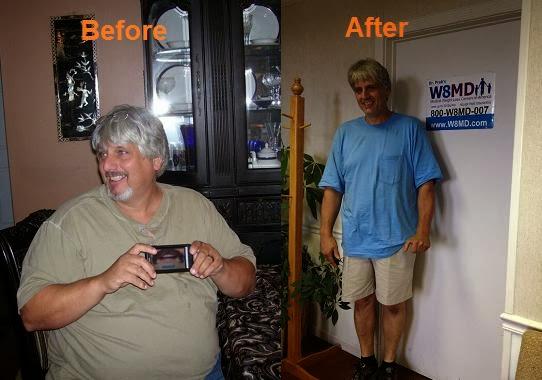
When do weight-loss changes become noticeable?
Many people see scale movement within the first few weeks, but visible or clothing changes often take longer. Early loss may include water and glycogen, while fat loss is gradual. A commonly used short-term target is about 1–2 pounds per week, although rate varies with starting weight, calorie deficit, medicines, fluid shifts and health conditions.
Progress is rarely linear. Menstrual cycles, sodium, constipation, travel, strength training and medication changes can temporarily mask fat loss.
A realistic timeline
| Period | What may occur | What to monitor |
|---|---|---|
| First 1–2 weeks | Water shifts and early appetite changes | Symptoms, hydration and adherence |
| Weeks 3–8 | A clearer weight trend may emerge | Weekly average, waist and clothing fit |
| About 3–6 months | Clinically meaningful loss may improve metabolic risk | Percent loss, blood pressure, glucose and function |
| Long term | Plateaus and maintenance biology become important | Strength, habits, medication plan and relapse prevention |
Better ways to measure progress
- Use comparable weigh-ins and focus on trends
- Measure waist periodically, not daily
- Track strength, stamina, sleep and mobility
- Review blood pressure, glucose, lipids and liver markers when relevant
- Use body composition cautiously because hydration affects readings
- Take photographs only if emotionally helpful
What counts as meaningful?
A 5% reduction can improve health risks for many patients, and additional loss may produce further benefit. Individual goals depend on diabetes, sleep apnea, fatty liver, mobility and treatment tolerance. Faster loss is not always better if it causes muscle loss, gallstones, dehydration or nutritional deficiency.
When the plan needs review
How W8MD can help
W8MD monitors percent change, waist, blood pressure, metabolic markers and body composition; checks medication technique and adherence; and adjusts nutrition, activity or treatment when progress is slower or faster than appropriate.
Frequently asked questions
Why do others notice before I do?
Gradual change and daily self-observation can make progress harder to perceive.
Why did I lose quickly at first?
Early change often includes water and glycogen, not only body fat.
When should medication work?
Timelines differ by drug and dose escalation; response should be assessed over an adequate treatment period with the prescriber.
Authoritative sources
Track progress with physician-supervised care
W8MD Weight Loss, Sleep & MedSpa provides physician-supervised care in Brooklyn, New York and Northeast Philadelphia. Telehealth may be available for eligible patients based on location and applicable requirements.
Contact W8MD