
Protein requirements on GLP-1 medications
Protein requirements on GLP-1 medications
How clinicians individualize protein during GLP-1 treatment to support muscle, fullness and nutritional adequacy.
Protein needs are individualized
Protein supports muscle, bone, immune function and recovery. During calorie restriction, adequate protein and resistance training help reduce—without completely preventing—loss of lean tissue. There is no single gram target for every GLP-1 patient.
The adult RDA of 0.8 g/kg/day is a population minimum for generally healthy adults, not necessarily the optimal target during active weight loss. Many clinicians use higher individualized targets during energy restriction, often based on reference, target or adjusted body weight rather than current weight in severe obesity. Kidney disease, liver disease and frailty require clinical judgment.
Ways clinicians set a target
| Approach | Potential use | Caution |
|---|---|---|
| Grams per kilogram | Allows individualized planning | Choice of current, ideal or adjusted weight matters |
| Grams per meal | Helps distribute intake across the day | Meal appetite and total calories vary |
| Percent of calories | Simple for meal planning | Can produce too little protein at very low calories |
| Body-composition guided | Relates intake to lean tissue and function | Consumer devices have measurement error |
Protein examples
Animal sources
Eggs, poultry, fish, lean meat, Greek yogurt and cottage cheese provide concentrated protein.
Plant sources
Tofu, tempeh, edamame, beans, lentils and seitan can support vegetarian or vegan plans.
Convenience options
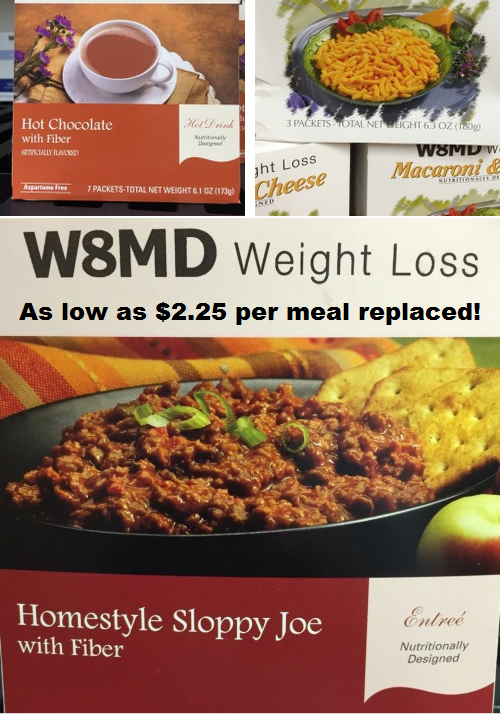
Low-sugar shakes, tuna packets, roasted edamame and yogurt can help when appetite is low.
Distribution
Spread protein across eating opportunities instead of relying on one very large evening serving.
When higher protein is not automatically better
Patients with chronic kidney disease, advanced liver disease, certain metabolic disorders or a history of kidney stones need individualized advice. Supplements may also add potassium, phosphorus, sodium, sweeteners or herbal ingredients. Protein cannot substitute for vegetables, fiber, fluids and overall energy adequacy.
How W8MD can help
W8MD Weight Loss, Sleep & MedSpa provides physician-supervised medical weight management in Brooklyn, New York and Northeast Philadelphia, with telehealth when clinically and legally appropriate. Care may include medical evaluation, nutrition planning, body-composition monitoring, prescription medication, sleep evaluation and long-term maintenance.
When an FDA-approved medication is medically appropriate and a plan provides coverage, W8MD can review benefits and help submit prior-authorization documentation. Coverage and approval are determined by the insurer; no medication or result is guaranteed.
W8MD can calculate a practical protein range, review kidney function and food preferences, and pair the plan with progressive resistance activity. Intake and dose are reassessed if severe appetite suppression, weakness or rapid lean-mass decline develops.
Frequently asked questions
Should protein be based on current weight?
Not always. In severe obesity, using current weight may overestimate needs; clinicians may use target or adjusted weight.
Are protein shakes required?
No. They are a convenience tool when whole-food intake is difficult.
Can too much protein cause constipation?
A high-protein pattern that displaces fiber and fluid may worsen constipation, even though protein itself is not the only cause.
Evidence and authoritative sources
Set a safe protein target
W8MD Weight Loss, Sleep & MedSpa provides physician-supervised care in Brooklyn, New York and Northeast Philadelphia. Telehealth may be available for eligible patients based on location and applicable requirements.
Contact W8MD