
Confusional arousals
Confusional arousals
Confusional arousals are non-REM parasomnias causing incomplete awakening, confusion and limited memory.
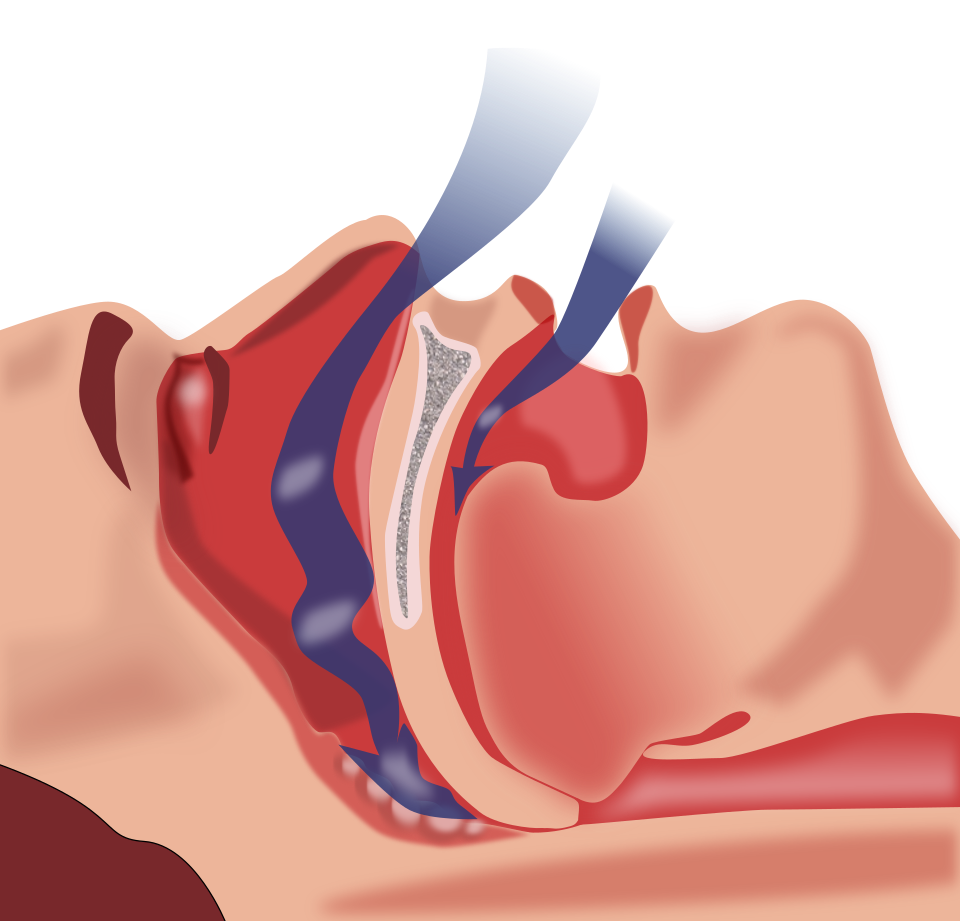
Incomplete awakening from deep sleep
Confusional arousals are non-REM parasomnias in which a person partially awakens, appears confused, responds slowly or behaves oddly and later has little memory of the episode. They are more common in children but can persist or begin in adults. Sleep deprivation, irregular schedules, alcohol, sedating medication, fever and untreated sleep disorders can increase episodes.
Typical features and differential diagnosis
Timing
Often arise from deep sleep in the first part of the night.
Behavior
The person may sit up, mumble, resist comfort or appear disoriented.
Memory
Recall is usually limited.
Look-alikes
Seizures, REM behavior disorder, intoxication and sleepwalking need consideration.
Reduce episodes and injury risk
- Maintain adequate and regular sleep
- Avoid sleep deprivation and excess alcohol
- Review sedatives and other triggering medicines
- Treat obstructive sleep apnea or restless legs when present
- Secure windows, stairs and dangerous objects if episodes involve wandering
- Avoid abruptly shaking or restraining the person unless needed for immediate safety
When testing is needed
Classic childhood episodes may not require a sleep study. Adult onset, injury, unusual repetitive movements, events late in the night or concern for seizures may justify video polysomnography or neurologic evaluation.
How W8MD can help
W8MD Weight Loss, Sleep & MedSpa provides physician-supervised care from active offices in Brooklyn, New York and Northeast Philadelphia, serving patients from greater New York City, New Jersey and the greater Philadelphia region. Telehealth may be available when clinically and legally appropriate.
W8MD accepts many insurance plans for visits. When a plan covers an FDA-approved medication and the patient meets its criteria, W8MD can submit prior-authorization documentation. The insurer determines coverage and approval.
W8MD can distinguish common parasomnia from OSA-related arousals, REM behavior disorder and seizure concerns and arrange appropriate testing. Safety planning is part of treatment.
W8MD regional resources: Visit NYC Medical Weight Loss and Philadelphia Medical Weight Loss. For encyclopedia background, see obesity and weight loss at WikiMD.
Frequently asked questions
Is this the same as sleepwalking?
They are related non-REM parasomnias, but confusional arousals may remain in bed without walking.
Should I wake the person?
Guide them away from danger calmly; forceful awakening can increase agitation.
Can sleep apnea trigger episodes?
Sleep fragmentation from OSA can contribute in some patients.
Evidence and authoritative sources
Request a sleep medicine consultation
W8MD Weight Loss, Sleep & MedSpa provides physician-supervised care in Brooklyn, New York and Northeast Philadelphia. Telehealth may be available for eligible patients based on location and applicable requirements.
Contact W8MD