Ketosis
From W8MD weight loss and sleep centers
Ketosis is a metabolic state in which the body produces ketone bodies and uses fat-derived fuel when carbohydrate availability is low
| Ketosis | |
|---|---|
| Synonyms | N/A |
| Pronounce | N/A |
| Specialty | N/A |
| Symptoms | May be asymptomatic; possible reduced appetite, fruity breath, increased urination, thirst, fatigue during adaptation, constipation |
| Complications | N/A |
| Onset | N/A |
| Duration | N/A |
| Types | N/A |
| Causes | Fasting, ketogenic diet, very low carbohydrate intake, prolonged exercise, starvation, poorly controlled diabetes in unsafe states |
| Risks | N/A |
| Diagnosis | Blood ketones, urine ketones, breath ketones, dietary history, glucose testing when clinically indicated |
| Differential diagnosis | N/A |
| Prevention | N/A |
| Treatment | Usually none if nutritional ketosis is intentional and medically supervised; medical treatment is needed for diabetic ketoacidosis or starvation states |
| Medication | N/A |
| Prognosis | N/A |
| Frequency | N/A |
| Deaths | N/A |
Ketosis is a metabolic state in which the body produces and uses ketone bodies as an important fuel source, usually because carbohydrate availability is low and fat metabolism has increased. Ketosis may occur during fasting, prolonged exercise, starvation, or a very low-carbohydrate, higher-fat dietary pattern known as a ketogenic diet. In nutritional ketosis, the liver converts fatty acids into ketone bodies such as acetoacetate, beta-hydroxybutyrate, and acetone, which can be used by the brain, heart, skeletal muscle, and other tissues for energy.
Ketosis is different from diabetic ketoacidosis, a dangerous medical emergency most often associated with severe insulin deficiency, very high blood glucose, dehydration, and metabolic acidosis. Nutritional ketosis from a properly supervised ketogenic diet is usually much milder than ketoacidosis, but it should still be approached carefully in people with diabetes, kidney disease, liver disease, pregnancy, eating disorder history, medication use, or other medical conditions.
Ketosis can be a useful tool for selected patients with obesity, overweight, insulin resistance, prediabetes, type 2 diabetes, and some neurologic disorders such as drug-resistant epilepsy. However, ketosis is not necessary for every person trying to lose weight, and ketogenic diets should be individualized.
W8MD Weight Loss, Sleep and MedSpa physicians are familiar with ketogenic diet strategies and can help selected patients create a custom ketogenic or low-carbohydrate diet plan that considers medical history, weight-loss goals, medications, food preferences, cultural food traditions, budget, schedule, sleep quality, and long-term maintenance needs.
Overview
Ketosis occurs when the body shifts away from relying primarily on glucose from carbohydrates and begins using more fat-derived fuel. This shift can happen when carbohydrate intake is very low, insulin levels fall, glycogen stores are reduced, and fat breakdown increases.
Ketosis may occur during:
- Fasting
- Intermittent fasting
- Starvation
- Ketogenic diet
- Very low carbohydrate diet
- Low-carbohydrate diet
- Prolonged endurance exercise
- Illness with poor intake
- Poorly controlled diabetes
- Alcohol-related metabolic states
The ketogenic diet is classically characterized by very low carbohydrate intake, moderate protein intake, and high fat intake, causing the body to switch from glucose toward fat and ketone bodies as major energy sources.The Ketogenic Diet: Clinical Applications, Evidence-based Indications and Implementation(link). StatPearls, National Center for Biotechnology Information.December 13, 2025.
Ketone bodies
The main ketone bodies are:
Ketogenesis is the biochemical process by which the liver produces ketone bodies from fatty acids. StatPearls describes ketogenesis as a regulated metabolic process that adjusts to changing energy demands, especially during fasting, starvation, or low carbohydrate availability.Biochemistry, Ketogenesis(link). StatPearls, National Center for Biotechnology Information.
Nutritional ketosis
Nutritional ketosis is the intentional, controlled production of ketone bodies through diet. It is typically achieved by restricting carbohydrates enough to lower insulin and glycogen stores while maintaining adequate hydration, electrolytes, protein, and micronutrients.
Typical features of nutritional ketosis include:
| Feature | Description |
|---|---|
| Carbohydrate intake | Usually very low, often under 20-50 grams of net carbohydrate per day, depending on the person and plan |
| Protein intake | Moderate and individualized to preserve lean mass |
| Fat intake | Increased as the major energy source, preferably from healthier fat sources |
| Ketone level | Mild to moderate elevation of blood beta-hydroxybutyrate |
| Glucose level | Usually normal or improved in medically supervised settings, but must be monitored in diabetes |
| Acid-base status | Usually normal in nutritional ketosis |
Ketosis versus ketoacidosis
Nutritional ketosis should not be confused with diabetic ketoacidosis.
| Feature | Nutritional ketosis | Diabetic ketoacidosis |
|---|---|---|
| Usual cause | Low carbohydrate intake, fasting, ketogenic diet | Severe insulin deficiency, often in diabetes |
| Blood glucose | Usually normal or mildly reduced; may vary in diabetes | Often very high, except in some euglycemic cases |
| Ketones | Mild to moderate elevation | Markedly elevated |
| Blood pH | Usually normal | Acidotic |
| Severity | Usually physiologic when supervised | Medical emergency |
| Treatment | Nutrition adjustment and monitoring if needed | Emergency medical care, insulin, fluids, electrolytes |
People with type 1 diabetes, insulin-dependent diabetes, or those taking SGLT2 inhibitors should not attempt a ketogenic diet without medical supervision because of the risk of dangerous ketoacidosis, including euglycemic ketoacidosis.
How ketosis is achieved
Ketosis is usually achieved by sharply reducing carbohydrate intake while consuming adequate protein and enough dietary fat for satiety and energy.
Common methods include:
- Classic ketogenic diet
- Modified ketogenic diet
- Modified Atkins diet
- Low-glycemic index treatment
- Very low-carbohydrate diet
- Protein-sparing modified fast under medical supervision
- Very low calorie diet with low carbohydrate structure
- W8MD-style physician-supervised ketogenic meal plan
Carbohydrate targets
Carbohydrate targets vary by patient. A strict ketogenic diet may use fewer than 20 to 50 grams of net carbohydrates per day. Some patients may reach ketosis at higher carbohydrate levels, while others require stricter restriction.
Factors that influence carbohydrate tolerance include:
- Body size
- Muscle mass
- Activity level
- Insulin resistance
- Diabetes status
- Medication use
- Sleep quality
- Stress level
- Menopause status
- Food timing
- Total calorie intake
- Protein intake
Healthy ketogenic diet composition
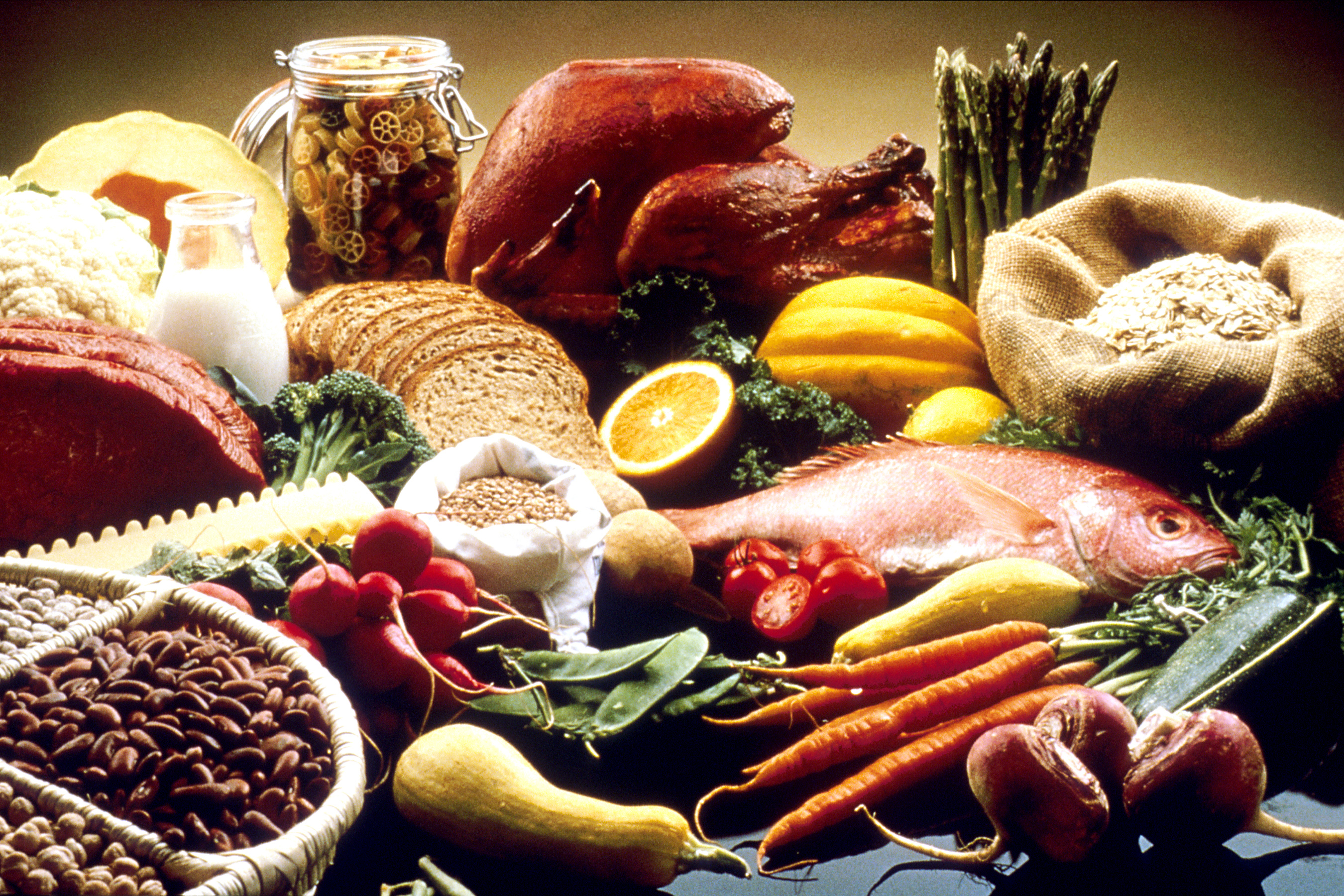
A medically sound ketogenic diet should not be based only on bacon, butter, cheese, and processed meats. A healthier ketogenic pattern emphasizes minimally processed foods, adequate protein, non-starchy vegetables, healthy fats, electrolytes, and fiber.
A balanced ketogenic plate may include:
| Component | Examples | Purpose |
|---|---|---|
| Protein | Fish, chicken, turkey, eggs, Greek yogurt, tofu, tempeh, lean meat | Satiety, muscle preservation, metabolic support |
| Non-starchy vegetables | Spinach, broccoli, cauliflower, zucchini, mushrooms, peppers, cabbage, asparagus | Fiber, micronutrients, potassium, fullness |
| Healthy fats | Olive oil, avocado, nuts, seeds, olives, fatty fish | Energy, satiety, flavor, fat-soluble vitamins |
| Low-carbohydrate extras | Herbs, spices, lemon, vinegar, unsweetened sauces | Flavor and adherence |
| Hydration and electrolytes | Water, sodium, potassium-rich foods, magnesium as medically appropriate | Helps reduce headache, fatigue, cramps, and constipation |
Foods commonly included
- Eggs
- Fish
- Chicken
- Turkey
- Lean beef in moderation
- Tofu
- Tempeh
- Cheese in measured portions
- Plain Greek yogurt in selected plans
- Leafy greens
- Broccoli
- Cauliflower
- Zucchini
- Cabbage
- Mushrooms
- Avocado
- Olives
- Extra-virgin olive oil
- Nuts
- Seeds
- Low-carbohydrate meal replacements
Foods usually limited
- Sugar
- Candy
- Desserts
- Sweet drinks
- Fruit juice
- White bread
- Rice
- Pasta
- Sweet cereals
- Potatoes
- Chips
- Crackers
- Most baked goods
- High-sugar sauces
- Large portions of high-carbohydrate fruit
- Beer and sweet alcoholic drinks
Ketosis and weight loss
Ketosis may support weight loss through several mechanisms:
- Reduced carbohydrate intake
- Lower insulin levels in some patients
- Reduced hunger
- Increased satiety from protein and fat
- Reduced cravings for sugar and starch
- Simplified food choices
- Reduced ultra-processed food intake
- Increased fat oxidation
- Lower calorie intake due to appetite reduction
Low-carbohydrate approaches have been shown to produce rapid weight loss for many patients during the first 6 to 12 months, although long-term success depends on adherence, food quality, calorie intake, protein intake, sleep, physical activity, medical conditions, and follow-up.Low-Carbohydrate Diet(link). StatPearls, National Center for Biotechnology Information.
Ketosis and type 2 diabetes
Ketogenic and very low-carbohydrate diets may improve blood glucose and reduce medication needs in some people with type 2 diabetes, especially when weight loss occurs. However, diabetes medications must be monitored carefully to avoid hypoglycemia or ketoacidosis.
A 2026 review of ketogenic diets in type 2 diabetes and obesity described ketogenic diets as inducing ketosis and noted potential benefits for obesity and type 2 diabetes, while also emphasizing the need for careful medical implementation and monitoring."The Ketogenic Diet in Type 2 Diabetes and Obesity".Biomedicines.2026;PMC:12899706.
Patients with diabetes should seek medical supervision before beginning ketosis if they take:
- Insulin
- Sulfonylureas
- SGLT2 inhibitors
- Multiple glucose-lowering medications
- Blood pressure medications
- Diuretics
Ketosis and epilepsy
The ketogenic diet has a long history in the treatment of drug-resistant epilepsy, especially in children. Ketogenic dietary therapies may reduce seizure frequency in selected patients but require specialist supervision, dietetic support, and monitoring for side effects.
A 2025 meta-analysis concluded that ketogenic diets and modified Atkins diets are effective in reducing seizures in drug-resistant epilepsy, especially in children, while noting uncertainty around seizure freedom and the need for additional high-quality trials and long-term safety assessment."Efficacy and safety of ketogenic diets in drug-resistant epilepsy: A systematic review and network meta-analysis".PubMed.2025;PMID:41205102.
International ketogenic diet therapy recommendations emphasize that ketogenic diets used for epilepsy require structured implementation and monitoring for adverse effects."Updated recommendations of the International Ketogenic Diet Study Group for the management of children receiving ketogenic diet therapies".Epilepsia Open.2018;PMID:29881797.PMC:5983110.
Symptoms during keto adaptation
Some people experience temporary symptoms during the first days or weeks of ketosis. This is sometimes called the “keto flu.”
Possible symptoms include:
- Fatigue
- Headache
- Dizziness
- Irritability
- Brain fog
- Nausea
- Constipation
- Muscle cramps
- Increased urination
- Thirst
- Bad breath
- Reduced exercise performance at first
These symptoms may relate to fluid shifts, sodium loss, reduced carbohydrate intake, caffeine changes, inadequate calories, low magnesium, or poor meal planning.
Potential risks and side effects
A ketogenic diet is not risk-free. Potential risks include:
- Constipation
- Dehydration
- Electrolyte imbalance
- Nutrient deficiencies
- Low blood sugar in medication-treated diabetes
- Elevated LDL cholesterol in some people
- Kidney stones
- Gallstones during rapid weight loss
- Menstrual irregularity in some patients
- Social difficulty and poor adherence
- Disordered eating risk in susceptible individuals
- Medication interactions
A 2025-2026 review of contraindications and risks reported that adverse effects can range from transient keto-flu symptoms to gastrointestinal disturbances, polyuria, dehydration, electrolyte imbalance, and other complications in susceptible patients."The ketogenic diet is not for everyone: contraindications, side effects, and drug interactions".Annals of Medicine.2026;doi:10.1080/07853890.2025.2603016.
Who should avoid ketosis or use extra caution
Ketosis should be avoided or used only with specialist supervision in people with:
- Type 1 diabetes
- History of diabetic ketoacidosis
- Use of SGLT2 inhibitors unless specifically supervised
- Pregnancy
- Breastfeeding
- Eating disorder history
- Severe liver disease
- Pancreatitis history
- Advanced kidney disease
- Carnitine deficiency
- Fatty-acid oxidation disorders
- Porphyria
- Severe gallbladder disease
- Frailty or malnutrition
- Children unless prescribed for epilepsy or metabolic conditions
Monitoring
Medical monitoring may include:
- Weight
- Waist circumference
- Blood pressure
- Blood glucose
- Hemoglobin A1c
- Lipid panel
- Kidney function
- Liver function
- Electrolytes
- Medication review
- Symptoms of hypoglycemia
- Ketone monitoring in selected patients
- Hydration and bowel habits
- Sleep apnea symptoms
How ketosis is measured
Ketosis can be measured using:
| Method | What it measures | Notes |
|---|---|---|
| Blood ketone meter | Beta-hydroxybutyrate | Most direct home method for nutritional ketosis |
| Urine ketone strips | Acetoacetate | Useful early, less reliable after adaptation |
| Breath ketone device | Acetone | Noninvasive but variable |
| Clinical symptoms | Appetite changes, breath odor, urination changes | Not reliable alone |
W8MD and customized ketogenic diet plans
W8MD Weight Loss, Sleep and MedSpa physicians are familiar with ketogenic and low-carbohydrate diet plans and can help selected patients use ketosis safely as part of a comprehensive medical weight-loss program.
W8MD can help customize ketogenic plans by considering:
- Medical history
- Diabetes status
- Medication use
- Blood pressure
- Sleep apnea risk
- Kidney and liver history
- Food allergies
- Cultural food preferences
- Religious dietary preferences
- Vegetarian or vegan needs
- Work schedule
- Family cooking patterns
- Budget
- Travel
- Eating-out habits
- Hunger and cravings
- Weight-loss goals
- Long-term maintenance plan
Culturally customized ketogenic plans
A ketogenic diet can be adapted to many cultural food patterns. W8MD can help patients avoid the mistake of thinking keto must mean only Western foods such as bacon, butter, and cheese.
Possible culturally adapted ketogenic choices include:
| Food tradition | Lower-carbohydrate ketogenic adaptations |
|---|---|
| South Asian | Tandoori chicken, paneer, eggs, fish curry, cauliflower rice, sautéed greens, cucumber raita without sugar |
| Mexican | Fajita bowls without rice or tortillas, grilled meats, avocado, salsa, lettuce wraps, cauliflower rice |
| Mediterranean | Fish, Greek salad, olives, olive oil, grilled vegetables, lamb or chicken, yogurt sauces without sugar |
| West Indian and Caribbean | Jerk chicken, fish, cabbage, callaloo, avocado, cauliflower rice, low-carb stews without starchy sides |
| Middle Eastern | Kebabs, grilled fish, baba ganoush, tabbouleh with cauliflower, cucumber salads, tahini sauces |
| East Asian | Stir-fried protein with non-starchy vegetables, tofu, mushrooms, cabbage, cauliflower rice, low-sugar sauces |
| African | Grilled fish or meat, okra, greens, cabbage, egg stew, low-carb vegetable sides instead of fufu or rice |
| American | Eggs, salads, grilled protein, bunless burgers, roasted non-starchy vegetables, low-carb meal replacements |
W8MD weight loss diet
The W8MD weight loss diet is described on WikiMD as a physician-supervised, structured ketogenic diet combined with a very low calorie diet approach designed to promote weight loss and metabolic improvement.W8MD weight loss diet(link). WikiMD.May 20, 2026.
W8MD may combine a ketogenic approach with:
Ketosis and GLP-1 therapy
Some patients using GLP-1 weight loss injections may also follow a low-carbohydrate or ketogenic meal plan. This combination requires careful attention to adequate protein, hydration, bowel regularity, side effects, and excessive appetite suppression.
W8MD may help patients using GLP-1 therapy with:
- Protein-first meals
- Hydration
- Constipation prevention
- Nausea management
- Meal timing
- Avoiding excessively low intake
- Strength training
- Long-term maintenance
Ketosis and sleep medicine
Poor sleep and untreated sleep apnea can worsen hunger, cravings, insulin resistance, daytime fatigue, and weight regain. W8MD’s sleep medicine services can support patients whose weight and metabolic health are affected by sleep problems.
W8MD may help with:
- Sleep apnea screening
- Snoring evaluation
- Home sleep test
- CPAP
- BiPAP
- APAP
- Sleep and weight counseling
Sample ketogenic day
This educational sample should be individualized.
| Meal | Example |
|---|---|
| Breakfast | Eggs with spinach, mushrooms, avocado, and unsweetened tea or coffee |
| Lunch | Grilled chicken salad with leafy greens, cucumber, olives, feta, and olive-oil vinaigrette |
| Snack | Greek yogurt without added sugar, boiled egg, cheese stick, or a small portion of nuts |
| Dinner | Salmon with broccoli, cauliflower rice, and olive oil |
| Hydration | Water, electrolyte-aware fluids, broth if appropriate |
Common mistakes
Common ketogenic diet mistakes include:
- Eating too little protein
- Eating too few vegetables
- Relying on processed meats
- Eating excessive saturated fat
- Ignoring fiber
- Ignoring electrolytes
- Not drinking enough water
- Not monitoring diabetes medications
- Not planning for constipation
- Assuming all “keto” packaged foods are healthy
- Staying on an overly restrictive plan without maintenance strategy
- Attempting ketosis despite contraindications
When to seek medical help
Seek medical care if ketosis is associated with:
- Vomiting
- Severe abdominal pain
- Confusion
- Rapid breathing
- Severe weakness
- Blood glucose persistently high
- Moderate or large ketones in diabetes
- Dehydration
- Fainting
- Chest pain
- Severe hypoglycemia
- Pregnancy
- Inability to eat or drink
W8MD locations
| Location | Address | Phone | Services | Map |
|---|---|---|---|---|
| Brooklyn / New York City Weight Loss and MedSpa Center | 2632 E 21st Street, Suite L3, Brooklyn, NY 11235 | (718) 946-5500 | Medical weight loss, ketogenic diet, W8MD weight loss diet, GLP-1 weight loss injections, nutrition counseling, exercise counseling, sleep medicine, MedSpa | View map |
| Philadelphia / Greater Philadelphia Weight Loss and MedSpa Center | 1718 Welsh Road, 2nd Floor, Suite C, Philadelphia, PA 19115 | (215) 676-2334 | Medical weight loss, ketogenic diet, W8MD weight loss diet, GLP-1 weight loss injections, nutrition counseling, exercise counseling, sleep medicine, wellness services | View map |
Frequently asked questions
What is ketosis?
Ketosis is a metabolic state in which the body produces ketone bodies and uses fat-derived fuel because carbohydrate availability is low.
Is ketosis the same as ketoacidosis?
No. Nutritional ketosis is usually mild and physiologic. Diabetic ketoacidosis is a dangerous medical emergency involving severe ketone elevation, acidosis, and often high blood glucose.
Can ketosis help with weight loss?
Yes, ketosis may help selected patients lose weight by reducing carbohydrate intake, lowering hunger, improving satiety, and simplifying food choices. Long-term success still requires adherence and maintenance planning.
Can ketosis help type 2 diabetes?
A ketogenic diet may improve blood glucose and reduce medication needs in selected patients with type 2 diabetes, but medication adjustment and medical monitoring are essential.
Can W8MD help create a ketogenic diet plan?
Yes. W8MD physicians can help selected patients create a customized ketogenic or low-carbohydrate diet plan based on medical history, medications, cultural food preferences, budget, schedule, and long-term goals.
Does keto have to ignore cultural foods?
No. A ketogenic diet can be adapted to South Asian, Caribbean, Mediterranean, Mexican, Middle Eastern, African, East Asian, American, vegetarian, and other food traditions.
Is ketosis safe for everyone?
No. People with type 1 diabetes, pregnancy, eating disorder history, advanced kidney or liver disease, SGLT2 inhibitor use, or certain rare metabolic disorders need special caution or should avoid ketosis unless supervised by specialists.
Conclusion
Ketosis is a metabolic state in which the body uses ketone bodies and fat-derived fuel when carbohydrate availability is low. It can occur during fasting, prolonged exercise, starvation, or a very low-carbohydrate ketogenic diet. Nutritional ketosis may be useful for selected patients with obesity, insulin resistance, type 2 diabetes, and certain neurologic conditions such as drug-resistant epilepsy, but it is not appropriate for everyone. A healthy ketogenic plan should be medically supervised, rich in low-carbohydrate vegetables, adequate in protein, balanced with healthy fats, culturally adaptable, and supported by long-term maintenance planning. W8MD Weight Loss, Sleep and MedSpa can help patients use a customized ketogenic diet safely as part of a broader weight-loss and metabolic-health program that may include nutrition counseling, meal replacements, GLP-1 medications when appropriate, prescription diet pills, exercise counseling, sleep apnea care, and follow-up.
See also
- Ketosis
- Ketogenic diet
- Ketone bodies
- Ketogenesis
- Beta-hydroxybutyrate
- Acetoacetate
- Acetone
- Low-carbohydrate diet
- Very low calorie diet
- W8MD weight loss diet
- Medical weight loss
- Obesity medicine
- Type 2 diabetes
- Insulin resistance
- Epilepsy
- Diabetic ketoacidosis
- Nutrition counseling
- Meal replacements
- GLP-1 weight loss injections
- W8MD Weight Loss, Sleep and MedSpa
Relevant WikiMD links
- Ketosis on WikiMD
- Ketogenic diet on WikiMD
- W8MD weight loss diet on WikiMD
- Low-carbohydrate diet on WikiMD
- Very low calorie diet on WikiMD
- Medical weight loss on WikiMD
- Nutrition counseling on WikiMD
- Meal replacements on WikiMD
- GLP-1 weight loss injections on WikiMD
- Sleep apnea on WikiMD
- Weight loss maintenance on WikiMD
Further reading
- The Ketogenic Diet: Clinical Applications, Evidence-based Indications and Implementation(link). StatPearls, National Center for Biotechnology Information.December 13, 2025.
- Biochemistry, Ketogenesis(link). StatPearls, National Center for Biotechnology Information.
- Low-Carbohydrate Diet(link). StatPearls, National Center for Biotechnology Information.
- "The Ketogenic Diet in Type 2 Diabetes and Obesity".Biomedicines.2026;PMC:12899706.
- "Efficacy and safety of ketogenic diets in drug-resistant epilepsy: A systematic review and network meta-analysis".PubMed.2025;PMID:41205102.
- "Updated recommendations of the International Ketogenic Diet Study Group for the management of children receiving ketogenic diet therapies".Epilepsia Open.2018;PMID:29881797.PMC:5983110.
- "The ketogenic diet is not for everyone: contraindications, side effects, and drug interactions".Annals of Medicine.2026;doi:10.1080/07853890.2025.2603016.
- W8MD weight loss diet(link). WikiMD.May 20, 2026.
External links
- Ketosis on WikiMD
- Ketogenic diet on WikiMD
- W8MD weight loss diet
- Low-carbohydrate diet on WikiMD
- Medical weight loss on WikiMD
- W8MD Weight Loss, Sleep and MedSpa Centers
- NYC medical weight loss
- Philadelphia medical weight loss
| W8MD Weight Loss, Sleep and MedSpa | ||||||||||
|---|---|---|---|---|---|---|---|---|---|---|
|