Actions

Tirzepatide and appetite

From W8MD weight loss and sleep centers

Tirzepatide and appetite, dual GIP and GLP-1 mechanism, food noise, satiety, cravings, superior weight-loss results, side effects, and W8MD medical weight loss care


Tirzepatide and appetite
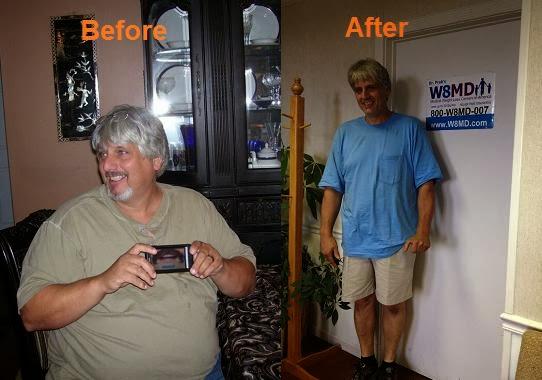
Before-and-after-weight-loss.jpeg
Tirzepatide may reduce appetite, improve satiety, reduce food noise, lower calorie intake, and support substantial weight loss through dual GIP and GLP-1 receptor activity.
Trade names Zepbound, Mounjaro
Generic name Tirzepatide
Drug class Dual GIP and GLP-1 receptor agonist, anti-obesity medication, incretin mimetic, diabetes medication
Routes of administration Subcutaneous injection


Mechanism of action Dual GIP receptor and GLP-1 receptor activation, appetite regulation, reduced calorie intake, delayed gastric emptying, improved insulin sensitivity
Dosing frequency Once weekly


Related drugs Tirzepatide weight loss, Tirzepatide injection, Tirzepatide dose escalation, Tirzepatide side effects, Tirzepatide maintenance therapy, Zepbound for weight loss, Mounjaro for weight loss, GLP-1 weight loss injections
W8MD tirzepatide appetite and medical weight loss care

Tirzepatide and Appetite

Tirzepatide and appetite refers to how tirzepatide, a dual GIP and GLP-1 receptor agonist, may reduce hunger, improve satiety, decrease food noise, reduce cravings, lower calorie intake, delay gastric emptying, and help selected patients eat smaller portions. Tirzepatide is the active ingredient in Zepbound and Mounjaro.

Unlike medications that act only through the GLP-1 pathway, tirzepatide activates both the glucose-dependent insulinotropic polypeptide receptor and the glucagon-like peptide-1 receptor. This dual mechanism is one reason tirzepatide has shown very strong weight-loss results in clinical trials. At W8MD Weight Loss, Sleep and MedSpa, tirzepatide treatment is personalized to the patient’s appetite pattern, food noise, metabolic health, sleep apnea risk, side-effect history, insurance coverage, affordability, and long-term maintenance goals.

Dual action
Activates both GIP and GLP-1 receptors involved in appetite and metabolism.
Less food noise
Many patients report fewer constant thoughts about food and cravings.
20.9%
Mean weight loss with tirzepatide 15 mg in SURMOUNT-1.
W8MD support
Personalized dosing, side-effect care, insurance help, nutrition, and maintenance.

W8MD patient benefit: W8MD can help determine whether Zepbound, Mounjaro for weight loss education, tirzepatide-based options, Wegovy, Wegovy pill, Wegovy HD, semaglutide-based options, or another medical weight-loss strategy is best for each patient’s appetite pattern, expected weight loss, side-effect tolerance, sleep apnea risk, insurance coverage, and long-term maintenance needs.

Affordable tirzepatide access: W8MD offers tirzepatide-based options starting as low as $45.00 per week and up with insurance for qualifying visits, or $69.99 per week and up for self-pay patients when medically appropriate and available. Pricing, insurance coverage, medication access, pharmacy availability, and eligibility vary.

W8MD Weight Loss, Sleep and MedSpa helps patients with tirzepatide appetite control, food noise, dose escalation, side-effect management, nutrition, sleep apnea screening, and long-term maintenance.

Overview

Tirzepatide is a once-weekly injectable medication that acts on two incretin hormone pathways: GIP and GLP-1. These pathways influence appetite, fullness, digestion, insulin secretion, glucagon regulation, insulin sensitivity, calorie intake, and body weight.

Tirzepatide is available as:

Product Active ingredient Route Main use Appetite-related point
Zepbound Tirzepatide Once-weekly injection Chronic weight management and selected obstructive sleep apnea use in adults with obesity Main tirzepatide brand for weight loss, appetite control, and food-noise reduction
Mounjaro Tirzepatide Once-weekly injection Type 2 diabetes Patients often search for Mounjaro for weight loss, but Zepbound is the weight-management brand
Tirzepatide-based options Tirzepatide Usually injection-based Weight management support when medically appropriate and available May help patients who need affordability, access support, or patient-specific dosing

What is appetite?

Appetite is the desire to eat. It is influenced by hormones, stomach fullness, blood sugar, brain reward pathways, stress, sleep, habit, environment, food availability, emotions, and medications.

Related terms include:

Term Meaning Example
Hunger Physical drive to eat Stomach emptiness, low energy, irritability, or weakness
Appetite Desire to eat, whether or not the body needs calories Wanting food after seeing, smelling, or thinking about it
Satiety Feeling full and satisfied after eating Feeling satisfied after a smaller meal
Satiation The process that ends a meal Stopping halfway through a previous usual portion
Craving Strong desire for a specific food Wanting sweets, bread, chips, fast food, or late-night snacks
Food noise Informal term for frequent thoughts about food, cravings, or mental preoccupation with eating Thinking about the next meal soon after finishing the last one

The dual mechanism of tirzepatide

Tirzepatide is described in Zepbound prescribing information as a GIP receptor and GLP-1 receptor agonist. It selectively binds to and activates both receptors. The prescribing information states that GLP-1 is a physiological regulator of appetite and caloric intake and that nonclinical studies suggest the addition of GIP may further contribute to regulation of food intake.<ref name="ZepboundLabel">Zepbound prescribing information(link). Eli Lilly and Company.</ref>

The label also states that both GIP and GLP-1 receptors are found in areas of the brain involved in appetite regulation, and that animal studies show tirzepatide distributes to and activates neurons in brain regions involved in appetite and food-intake regulation.<ref name="ZepboundLabel" />

How tirzepatide affects appetite

Tirzepatide may reduce appetite and calorie intake through several mechanisms:

  • Activation of GLP-1 receptors involved in hunger and satiety
  • Activation of GIP receptors involved in energy balance and metabolic regulation
  • Reduced calorie intake
  • Increased fullness after smaller meals
  • Reduced food noise
  • Reduced cravings in many patients
  • Reduced portion size
  • Delayed gastric emptying
  • Improved insulin sensitivity
  • Glucose-dependent insulin secretion
  • Reduced glucagon secretion
  • Greater fat-mass loss than lean-mass loss in clinical pharmacology data

Zepbound prescribing information states that tirzepatide decreases calorie intake and that the effects are likely mediated by affecting appetite.<ref name="ZepboundLabel" />

Why GIP plus GLP-1 may improve weight-loss results

GLP-1 receptor activation is already known to reduce appetite and food intake. Tirzepatide adds GIP receptor activation, which may further influence appetite, adipose tissue biology, insulin sensitivity, and energy balance.

The dual mechanism may help explain why tirzepatide has produced very large weight-loss results in obesity trials. In SURMOUNT-1, adults with obesity or overweight without diabetes had mean weight reductions of 15.0%, 19.5%, and 20.9% with tirzepatide 5 mg, 10 mg, and 15 mg, respectively, compared with 3.1% with placebo.<ref name="SURMOUNT1">"Tirzepatide Once Weekly for the Treatment of Obesity".New England Journal of Medicine.2022;387(3)

205-216.doi:10.1056/NEJMoa2206038.PMID:35658024.</ref>

Important: does GIP reduce side effects?

Balanced evidence-based point: Tirzepatide’s dual GIP/GLP-1 mechanism may produce stronger weight-loss results than GLP-1-only therapy in many patients, but it does not eliminate side effects. Gastrointestinal side effects such as nausea, diarrhea, vomiting, constipation, reflux, abdominal discomfort, and bloating remain common, especially during dose escalation. Some patients tolerate tirzepatide better than semaglutide, while others tolerate semaglutide better. W8MD helps reduce side-effect burden through patient-specific dosing, slower titration, dose holds, nutrition support, hydration, constipation prevention, and switching options when appropriate.

The best interpretation is that tirzepatide may offer superior weight-loss efficacy through dual incretin activity, while side-effect experience remains individualized. W8MD helps patients find the option that provides the best balance of appetite control, weight loss, safety, affordability, and quality of life.

Scientific evidence: appetite and calorie intake

A clinical study comparing tirzepatide, semaglutide, and placebo found that tirzepatide significantly reduced appetite and energy intake versus placebo and produced greater body-weight and fat-mass reduction than semaglutide. Appetite scores and energy-intake reductions did not significantly differ between tirzepatide and semaglutide in that study, suggesting that tirzepatide’s greater weight-loss effect may involve mechanisms beyond appetite suppression alone.<ref name="HeiseAppetite">"Tirzepatide Reduces Appetite, Energy Intake, and Fat Mass in People With Type 2 Diabetes".Diabetes Care.2023;46(5)

998-1004.doi:10.2337/dc22-1710.PMID:36857477.</ref>

This is important for patient education. Tirzepatide is not simply “stronger appetite suppression.” It may also influence insulin sensitivity, glucagon, fat mass, calorie intake, and metabolic regulation.

Tirzepatide versus semaglutide: superior weight-loss results

In SURMOUNT-5, tirzepatide was directly compared with semaglutide injection in adults with obesity or overweight and at least one weight-related complication but without diabetes. Tirzepatide was superior to semaglutide for reduction in body weight and waist circumference at week 72.<ref name="SURMOUNT5">"Tirzepatide as Compared with Semaglutide for the Treatment of Obesity".New England Journal of Medicine.2025;doi:10.1056/NEJMoa2416394.PMID:40353578.</ref>

Treatment Mechanism Route Weight-loss evidence Appetite and food-noise relevance
Zepbound / tirzepatide Dual GIP and GLP-1 receptor agonist Once-weekly injection Superior to semaglutide injection for body weight and waist reduction in SURMOUNT-5 May reduce appetite, food noise, cravings, portion size, and calorie intake
Wegovy / semaglutide GLP-1 receptor agonist Once-weekly injection Strong weight-loss evidence and FDA cardiovascular-risk indication in selected adults May reduce appetite, food noise, cravings, and energy intake
Wegovy pill GLP-1 receptor agonist Once-daily oral tablet Oral semaglutide option for selected adults May help patients who prefer oral therapy but requires strict empty-stomach dosing
Wegovy HD GLP-1 receptor agonist Once-weekly higher-dose injection Higher-dose semaglutide option for selected adults needing additional weight reduction May provide stronger semaglutide appetite effect but requires careful monitoring
Tirzepatide may help reduce appetite, but long-term success also depends on protein intake, hydration, physical activity, sleep, side-effect management, and follow-up.
Before-and-after weight loss image. Individual tirzepatide appetite and weight-loss results vary and require medical supervision.
Sleep apnea can worsen hunger, cravings, fatigue, insulin resistance, and weight regain risk. W8MD can arrange convenient home sleep study testing when appropriate.

Tirzepatide and food noise

Food noise is an informal patient term, not a formal medical diagnosis. It often refers to constant thoughts about food, cravings, difficulty stopping once eating starts, or feeling mentally preoccupied with eating.

Patients using tirzepatide may report:

  • Fewer intrusive food thoughts
  • Reduced urge to snack
  • Less late-night eating
  • Reduced cravings for sweets or refined carbohydrates
  • Less drive to eat when not physically hungry
  • Better control around trigger foods
  • Smaller portions
  • Easier adherence to a structured meal plan

W8MD helps patients understand that reduced food noise is useful, but it should be paired with protein intake, hydration, resistance training, sleep optimization, and long-term maintenance planning.

Tirzepatide and satiety

Satiety means feeling full and satisfied after eating. Tirzepatide may improve satiety through appetite pathways, slower gastric emptying, and central effects on food-intake regulation.

Patients may notice:

  • Getting full sooner
  • Eating smaller portions
  • Less desire for second servings
  • Longer time between meals
  • Reduced grazing
  • Less urge to snack after dinner
  • More control at restaurants or social meals

However, eating too little can cause fatigue, low protein intake, dehydration, constipation, hair thinning, and loss of muscle. W8MD helps patients use improved satiety safely.

Tirzepatide and cravings

Cravings may involve stress, sleep deprivation, insulin resistance, emotional triggers, food reward pathways, habit, and environment. Tirzepatide may reduce cravings in many patients by reducing appetite drive and improving control of eating.

Common improvements reported by patients include:

  • Less craving for sweets
  • Less craving for fast food
  • Reduced late-night snacking
  • Less emotional eating
  • Less urge to eat when bored
  • Better control around trigger foods
  • Reduced desire for large portions

Tirzepatide is not FDA-approved as a treatment for binge eating disorder, bulimia, anorexia, or other eating disorders. Patients with eating disorder history need careful evaluation.

Tirzepatide and portion control

Tirzepatide may help patients eat smaller portions without feeling deprived. This is important because many patients with obesity struggle not from lack of knowledge, but from powerful hunger, cravings, insulin resistance, food noise, and difficulty sustaining calorie reduction.

W8MD may advise:

  • Start meals with protein.
  • Eat slowly.
  • Use smaller plates.
  • Stop at comfortable fullness.
  • Avoid eating past fullness.
  • Avoid greasy meals that worsen nausea.
  • Avoid liquid calories.
  • Do not skip protein because appetite is low.
  • Drink fluids throughout the day.

Appetite changes by dose

Appetite effects often increase during tirzepatide dose escalation. Some patients notice appetite reduction at 2.5 mg or 5 mg, while others need higher maintenance doses.

Tirzepatide phase Possible appetite effect Common issue W8MD approach
Starting dose Mild appetite reduction or early fullness Nausea, uncertainty about meal size Nutrition teaching, protein planning, hydration
Escalation phase Stronger fullness, reduced cravings, less food noise Constipation, reflux, nausea, low intake Slow titration, side-effect management, meal adjustment
Maintenance dose Stable appetite control Plateau, constipation, low protein, appetite return Maintenance plan, resistance training, dose review
Dose interruption Appetite may return Food noise, cravings, weight regain Restart planning and relapse-prevention support

Zepbound and appetite

Zepbound is the tirzepatide brand used for chronic weight management and for selected adults with obesity and moderate-to-severe obstructive sleep apnea. Zepbound is used with reduced-calorie diet and increased physical activity.

Zepbound may help patients who:

  • Have strong appetite and food noise
  • Have obesity or overweight with weight-related conditions
  • Have tried lifestyle changes without durable success
  • Have insulin resistance or prediabetes
  • Have sleep apnea risk
  • Need substantial weight loss
  • Prefer once-weekly injection
  • Need a long-term medical maintenance plan

Mounjaro, appetite, and weight-loss searches

Mounjaro contains tirzepatide and is used for type 2 diabetes. Many patients search for Mounjaro for weight loss because tirzepatide can reduce appetite and body weight. However, Zepbound is the tirzepatide brand used for chronic weight management.

W8MD helps patients understand the difference between Zepbound, Mounjaro, tirzepatide-based options, Wegovy, Wegovy pill, Wegovy HD, Ozempic, semaglutide-based options, and other medical weight-loss treatments.

When appetite suppression is too strong

Appetite suppression can be helpful, but excessive suppression can cause problems.

Warning signs include:

  • Eating almost nothing
  • Very low protein intake
  • Dizziness
  • Weakness
  • Dehydration
  • Constipation
  • Fatigue
  • Hair thinning
  • Loss of muscle strength
  • Nausea with most meals
  • Fear of eating

W8MD may consider dose holding, slower escalation, dose reduction, microdosing-style cautious dosing when medically appropriate, nutrition adjustment, protein shakes, hydration planning, or medication reassessment.

When appetite returns on tirzepatide

Some patients notice appetite return after months of treatment. This may occur because of adaptation, missed doses, under-dosing, medication interruption, stress, poor sleep, untreated sleep apnea, emotional eating, alcohol intake, or loss of meal structure.

W8MD evaluates:

  • Current dose
  • Injection adherence
  • Medication access
  • Meal timing
  • Protein intake
  • Sleep quality
  • Stress and emotional eating
  • Alcohol intake
  • Constipation or nausea
  • Weight trend
  • Food-noise pattern
  • Need for dose adjustment or treatment change

Microdosing and patient-specific dosing

Microdosing is a nonstandard patient-friendly term sometimes used to describe very low-dose, slow-start, cautious, or individualized GLP-1/GIP dosing strategies. It is not the same as randomly taking smaller amounts or manipulating injection devices.

Important cautions:

  • Microdosing is not the standard FDA-labeled Zepbound or Mounjaro dosing schedule.
  • Patients should not split, alter, or manipulate commercial injection pens unless specifically instructed by a qualified clinician and allowed for that product.
  • Patients should not buy research peptides or unverified online tirzepatide.
  • Low-dose or microdosing-style approaches should be medically supervised.
  • The goal is the lowest effective and safest dose for the individual patient.

W8MD can discuss patient-specific dosing when patients have side effects, medication sensitivity, cost concerns, strong appetite suppression at low doses, or complex medical histories.

Tirzepatide, sleep, and appetite

Poor sleep and untreated obstructive sleep apnea can increase hunger, cravings, insulin resistance, fatigue, and weight regain risk. Patients who feel tired, crave carbohydrates, snore, or wake unrefreshed may need sleep apnea evaluation.

W8MD can help with:

Tirzepatide and emotional eating

Tirzepatide may reduce biological hunger and some cravings, but emotional eating may also require behavioral strategies. Patients may still eat in response to stress, sadness, boredom, habit, or social triggers even when physical hunger is lower.

Helpful strategies may include:

  • Meal structure
  • Protein-first eating
  • Identifying trigger times
  • Sleep improvement
  • Stress management
  • Removing high-trigger foods from easy access
  • Behavioral counseling when appropriate
  • Treating depression or anxiety when present
  • Supportive follow-up

Tirzepatide and binge eating concerns

Tirzepatide is not FDA-approved as a treatment for binge eating disorder, bulimia, anorexia, or other eating disorders. Some patients report reduced cravings or food noise, but patients with current or past eating disorders need careful medical and behavioral evaluation.

W8MD can screen for concerning patterns such as:

  • Binge eating
  • Purging
  • Severe restriction
  • Fear of eating
  • Excessive exercise
  • Night eating
  • Loss of control eating
  • History of eating disorder treatment

Nutrition while appetite is lower

When tirzepatide works well, appetite may drop quickly. Patients should not simply eat as little as possible. The goal is healthy fat loss with muscle preservation.

W8MD may recommend:

  • Protein-first meals
  • Protein shake support when appropriate
  • Lean protein
  • Eggs
  • Greek yogurt
  • Fish
  • Poultry
  • Non-starchy vegetables
  • Fiber as tolerated
  • Hydration
  • Electrolytes when appropriate
  • Smaller portions
  • Avoiding greasy foods if nausea occurs
  • Avoiding sugary drinks

Muscle preservation

Reduced appetite can unintentionally reduce protein and calories too much. W8MD emphasizes muscle preservation with:

  • Adequate protein
  • Resistance training
  • Walking
  • Strength exercises
  • Hydration
  • Sleep quality
  • Avoiding extreme calorie restriction
  • Body composition monitoring when available

Side effects related to appetite changes

Common tirzepatide side effects may include:

Zepbound prescribing information lists common adverse reactions reported in at least 5% of treated patients, including nausea, diarrhea, vomiting, constipation, abdominal pain, dyspepsia, injection-site reactions, fatigue, hypersensitivity reactions, eructation, hair loss, and gastroesophageal reflux disease.<ref name="ZepboundLabel" />

How W8MD helps reduce side effects

W8MD helps reduce side-effect burden by focusing on proper dosing, slow escalation, hydration, bowel habits, and nutrition.

Strategies may include:

  • Starting low and increasing gradually
  • Slower dose escalation when appropriate
  • Dose holds if symptoms occur
  • Dose reduction when needed
  • Smaller meals
  • Protein-first nutrition
  • Avoiding greasy meals
  • Hydration planning
  • Constipation prevention
  • Electrolytes when appropriate
  • Reflux management
  • Reviewing diabetes medications
  • Considering alternative GLP-1 or GIP/GLP-1 options

How W8MD can help

W8MD tirzepatide appetite and food-noise program

Appetite pattern review
W8MD reviews hunger, cravings, food noise, night eating, emotional eating, meal timing, and appetite return.

Medication matching
W8MD helps compare Zepbound, Mounjaro education, tirzepatide-based options, Wegovy, Wegovy pill, Wegovy HD, and semaglutide-based options.

Dose and side-effect care
W8MD can adjust titration speed, manage nausea or constipation, and help prevent excessive appetite suppression.

Maintenance support
W8MD focuses on protein, strength training, sleep, relapse prevention, and long-term weight maintenance.

W8MD can help eligible patients with:

W8MD success story themes

What successful W8MD patients often notice

Since 2011, W8MD has helped thousands of patients work toward healthier weight, improved metabolism, better sleep, and long-term maintenance. Individual results vary, but successful patients often describe several appetite-related success themes:

Less food noise
Many patients report fewer constant food thoughts and better control over cravings.
Smaller portions
Patients often feel full sooner and can stop eating without feeling deprived.
Better matching
Patients do better when the medication matches their appetite pattern, side-effect history, coverage, and goals.
Maintenance focus
W8MD emphasizes long-term maintenance rather than short-term appetite suppression alone.

These are general success themes and not a guarantee of results. Outcomes depend on medical history, dose, adherence, nutrition, activity, sleep, side effects, medication access, and follow-up.

Affordable tirzepatide and insurance access at W8MD

Affordable GLP-1/GIP appetite and weight-loss care

W8MD helps eligible patients access physician-supervised tirzepatide-based treatment when medically appropriate.

  • Tirzepatide-based options starting as low as $45.00 per week and up with insurance for qualifying visits.
  • Self-pay tirzepatide-based options starting from $69.99 per week and up when available and medically appropriate.
  • Most insurances accepted for qualifying medical visits.
  • W8MD can help with prior authorization for brand-name Zepbound, Zepbound for sleep apnea, Mounjaro when appropriate for diabetes indications, or other GLP-1/GIP medications when coverage is available.
  • Pricing, insurance coverage, medication access, pharmacy availability, state rules, and eligibility vary by patient, location, and medical evaluation.

Avoid unsafe online tirzepatide products

Patients should avoid unapproved online “research” peptides, counterfeit Zepbound, counterfeit Mounjaro, counterfeit tirzepatide, or products marketed without legitimate medical supervision. The FDA has warned about fraudulent compounded semaglutide and tirzepatide products marketed in the United States with false information on labels, including cases where listed pharmacies did not exist or did not compound the products.<ref name="FDAUnapprovedGLP1">FDA's Concerns with Unapproved GLP-1 Drugs Used for Weight Loss(link). U.S. Food and Drug Administration.2026-06-15.</ref>

Safe treatment requires:

  • A qualified prescriber
  • Correct product and dose
  • Clear pharmacy source
  • Proper instructions
  • Side-effect monitoring
  • Nutrition support
  • Follow-up care

SEO: tirzepatide appetite doctor near me

Patients searching for tirzepatide and appetite near me, Zepbound food noise NYC, Mounjaro appetite Brooklyn, tirzepatide cravings New Jersey, Zepbound appetite Philadelphia, tirzepatide food noise Pennsylvania, affordable tirzepatide NYC, or GLP-1 GIP appetite doctor Philadelphia often want a medical practice that understands appetite biology, dual GIP/GLP-1 therapy, side effects, insurance access, and long-term maintenance.

W8MD serves patients in and around:

Services and medication options may vary by location, state rules, insurance plan, pharmacy availability, and clinical evaluation.

Frequently asked questions

Does tirzepatide reduce appetite?

Yes, in many selected patients. Tirzepatide may reduce hunger, improve satiety, reduce cravings, lower calorie intake, and reduce food noise. Response varies by patient, dose, product, adherence, sleep, side effects, and medical factors.

What makes tirzepatide different from semaglutide?

Tirzepatide activates both GIP and GLP-1 receptors, while semaglutide activates the GLP-1 receptor. This dual mechanism may contribute to tirzepatide’s strong weight-loss results.

Does tirzepatide work better than semaglutide?

In SURMOUNT-5, tirzepatide was superior to semaglutide injection for reduction in body weight and waist circumference at week 72 in adults with obesity or overweight without diabetes.<ref name="SURMOUNT5" />

Does tirzepatide have fewer side effects than semaglutide?

Not necessarily for every patient. Tirzepatide and semaglutide can both cause gastrointestinal side effects. Some patients tolerate tirzepatide better, while others tolerate semaglutide better. W8MD helps reduce side effects through individualized dosing, slower escalation, nutrition support, hydration, and careful follow-up.

What is food noise?

Food noise is an informal term for frequent thoughts about food, cravings, or mental preoccupation with eating. Many patients say tirzepatide reduces food noise, although it is not a formal diagnosis.

How quickly does appetite change on tirzepatide?

Some patients notice appetite changes early, while others notice stronger effects during dose escalation. The response varies.

Can tirzepatide make appetite too low?

Yes. Excessive appetite suppression can lead to low protein intake, dehydration, constipation, fatigue, dizziness, or muscle loss. W8MD can help adjust the plan if appetite is too low.

Does tirzepatide help cravings?

Many patients report reduced cravings and better control of eating. Clinical evidence shows tirzepatide reduces appetite and energy intake compared with placebo.<ref name="HeiseAppetite" />

Can W8MD help if appetite returns while taking tirzepatide?

Yes. W8MD can review dose, adherence, medication access, sleep, stress, protein intake, side effects, and whether a change in treatment plan is needed.

Can W8MD help choose between Zepbound, Mounjaro, Wegovy, and Wegovy HD?

Yes. W8MD can compare tirzepatide and semaglutide options based on appetite pattern, food noise, expected weight loss, side effects, insurance coverage, medication availability, sleep apnea, diabetes status, and long-term maintenance goals.

Is tirzepatide enough by itself?

No. Tirzepatide works best with nutrition, protein intake, hydration, resistance training, sleep optimization, and regular follow-up.

Does W8MD help with prior authorization?

Yes. When coverage is available and criteria are met, W8MD can help document BMI, weight-related conditions, sleep apnea status when relevant, medication history, side-effect history, and medical necessity. Approval depends on the insurance plan.

Book a tirzepatide appetite consultation

W8MD Weight Loss Sleep and MedSpa team

Request an appointment with W8MD

W8MD offers physician-supervised medical weight loss, tirzepatide and appetite evaluation, Zepbound for weight loss, Zepbound for sleep apnea, Mounjaro for weight loss education, GLP-1 weight loss injections, insurance prior authorization support when coverage is available, affordable tirzepatide-based options, nutrition support, sleep medicine, and long-term maintenance care in Brooklyn, NY and Philadelphia, PA.

Important: Please do not submit sensitive medical information, Social Security numbers, insurance ID numbers, or urgent medical concerns through online appointment request forms. If this is a medical emergency, call 911.

Related W8MD and GLP-1 pages

Relevant WikiMD links

External links

References

<references />


Core topics
GLP-1 and incretin therapy
Medication options
Appetite, nutrition, and sleep


Weight loss and medical weight loss

Main topics: Weight loss · Weight management · Medical weight loss · Obesity · Overweight · Body mass index · Waist circumference · Goal weight · Weight loss maintenance · Weight regain

W8MD topics: W8MD Weight Loss, Sleep and Medspa · W8MD diet · W8MD's weight loss diet · W8MD weight loss doctors · W8MD locations · Weight loss doctor · Weight loss NYC · Philadelphia weight loss · New Jersey weight loss · Pennsylvania weight loss

Medical weight loss services: Weight loss program · Weight loss programs · Weight loss coaching · Weight loss support · Weight loss support group · Weight loss journey · Weight loss transformation plan · Weight loss success stories · Weight loss reviews · Weight loss FAQ

Anti-obesity medications: Anti-obesity drugs · Weight loss medications · Weight loss injections · GLP-1 receptor agonist · Semaglutide · Tirzepatide · Wegovy · Zepbound · Mounjaro · Ozempic · Saxenda · Victoza · Trulicity

Traditional weight loss medications: Phentermine · Phendimetrazine · Diethylpropion · Qsymia · Phentermine/topiramate · Contrave · Naltrexone/bupropion · Orlistat · Plenity · Setmelanotide

Diet and nutrition: Weight loss diet · Healthy diet · Nutritious diet · Calorie deficit · Calorie · Portion control · Portion size · Meal plans · Meal replacement · Meal replacements · Protein shakes · Protein-rich foods

Low-carb and keto: Ketogenic diet · Keto diet · Low-carbohydrate diet · Low-carb diet · Very low-carbohydrate diet · Very low-calorie diet · VLCD diet · Protein-sparing modified fast · Keto foods · Low-carb recipes

Popular diet patterns: Mediterranean diet · DASH diet · High-protein diet · Low glycemic index diet · Intermittent fasting · Time-restricted feeding diet · Plant-based diet · Vegan weight loss · Paleo diet · South beach diet · Atkins diet

Exercise and activity: Exercise · Physical activity · Physical exercise · Aerobic exercise · Strength training · Strength training for weight loss · Walking · Swimming · Cycling · Yoga · Sedentary lifestyle

Metabolic health: Type 2 diabetes · Prediabetes · Insulin resistance · Metabolic syndrome · PCOS · Polycystic ovary syndrome · Fatty liver · Non-alcoholic fatty liver disease (NAFLD) · Osteoarthritis-weight-loss · Skin tags

Sleep and weight: Sleep apnea · Obstructive sleep apnea · Obesity hypoventilation syndrome · Sleep medicine · Sleep disorders · Sleep doctor NYC · Sleep center Brooklyn · Snoring · Insomnia · Zolpidem

Women and weight loss: Women-weight-loss · Women-lose-weight · Postpartum weight loss · Pregnancy-weight-gain · Perimenopausal-weight-gain · Post-menopausal-weight-gain · PCOS · Polycystic ovary syndrome

Weight loss articles and FAQs: Weight loss articles · The Basics of Weight Loss · Understanding Overweight and Obesity · Proven Weight Loss Options · Strategy for weight loss · Lose weight effectively · All-encompassing weight control · Motivation and Inspiration

Food and nutrition questions: What are some healthy foods? · What are some high protein foods? · What are some low-carb foods? · What are some low-carb vegetables? · What are some keto snacks? · What are some keto recipes? · What are some low-calorie meals?

Related measurements: Weight · Normal weight · Overweight · Obese · Obesity · Body mass index · Waist circumference · Waist-to-hip ratio (WHR) · Visceral fat · Body composition