Actions

Tirzepatide maintenance therapy

From W8MD weight loss and sleep centers

Tirzepatide maintenance therapy, Zepbound maintenance dosing, Mounjaro maintenance, weight regain prevention, and W8MD medical weight loss care


Tirzepatide maintenance therapy
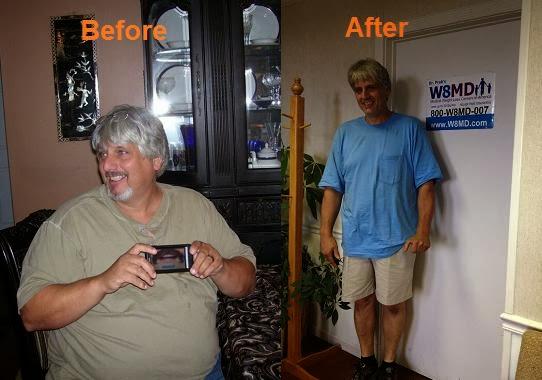
Before-and-after-weight-loss.jpeg
Tirzepatide maintenance therapy may help selected patients maintain weight loss, reduce food noise, and support long-term cardiometabolic health under medical supervision.
Trade names Zepbound, Mounjaro
Generic name Tirzepatide
Drug class Dual GIP and GLP-1 receptor agonist, anti-obesity medication, incretin mimetic, diabetes medication
Routes of administration Subcutaneous injection
Uses Chronic weight management, obesity, overweight with weight-related conditions, type 2 diabetes, obstructive sleep apnea in selected adults with obesity using Zepbound


Dosing frequency Once weekly


Related drugs Tirzepatide weight loss, Tirzepatide injection, Tirzepatide dose escalation, Tirzepatide side effects, Zepbound for weight loss, Mounjaro for weight loss, GLP-1 weight loss injections
W8MD tirzepatide maintenance therapy and medical weight loss

Tirzepatide Maintenance Therapy

Tirzepatide maintenance therapy refers to the long-term use of tirzepatide after the initial weight-loss phase to help selected patients maintain weight reduction, reduce food noise, control appetite, improve satiety, and reduce the risk of weight regain. Tirzepatide is the active ingredient in Zepbound and Mounjaro.

At W8MD Weight Loss, Sleep and MedSpa, tirzepatide maintenance is treated as a long-term medical plan, not simply a refill. W8MD helps patients decide whether to continue, adjust, reduce, pause, restart, or transition tirzepatide therapy based on weight response, side effects, medication access, insurance coverage, sleep apnea status, nutrition, muscle preservation, and long-term health goals.

Maintenance
Long-term plan after weight loss, not a short-term diet
Regain prevention
Helps reduce appetite rebound and weight regain risk
Custom dosing
Maintenance dose should match results, tolerability, and goals
W8MD support
Experienced weight loss doctors, nutrition, sleep care, and follow-up

W8MD affordable maintenance option: W8MD offers tirzepatide-based GLP-1/GIP weight-loss options starting as low as $45.00 per week and up with insurance for qualifying visits, or $69.99 per week and up for self-pay patients when medically appropriate and available. Pricing, eligibility, insurance coverage, medication access, and pharmacy availability vary by patient and location.

W8MD Weight Loss, Sleep and MedSpa helps patients with tirzepatide maintenance therapy, dose adjustment, side-effect management, nutrition, sleep care, and long-term follow-up.

Overview

Tirzepatide maintenance therapy is the long-term treatment phase after a patient has already started tirzepatide, completed some level of tirzepatide dose escalation, and achieved partial or significant weight loss. The goal is to maintain weight loss, prevent regain, protect muscle, support metabolic health, manage side effects, and help the patient transition from “active weight loss” to sustainable chronic obesity care.

Tirzepatide maintenance may involve:

  • Continuing Zepbound
  • Continuing Mounjaro when used for type 2 diabetes
  • Continuing a tirzepatide-based maintenance plan when medically appropriate
  • Staying at the current effective dose
  • Lowering dose if side effects or excessive appetite suppression occur
  • Holding dose longer before any future increase
  • Restarting after an interruption when appropriate
  • Managing constipation, nausea, reflux, or fatigue
  • Improving protein intake and hydration
  • Adding resistance training
  • Screening for sleep apnea
  • Planning for long-term weight maintenance

Why maintenance therapy matters

Obesity is a chronic, relapsing medical condition. After weight loss, the body may respond with increased hunger, lower energy expenditure, stronger cravings, and return of food noise. This is one reason many patients regain weight after stopping medication or ending structured care.

In the SURMOUNT-4 randomized clinical trial, adults with obesity or overweight who completed 36 weeks of open-label tirzepatide had a mean weight reduction of 20.9%. After randomization, those switched to placebo regained weight, while those who continued tirzepatide lost additional weight. From week 36 to week 88, the placebo group had 14% weight regain, while the continued tirzepatide group had an additional 5.5% weight reduction.<ref name="SURMOUNT4">"Continued Treatment With Tirzepatide for Maintenance of Weight Reduction in Adults With Obesity: The SURMOUNT-4 Randomized Clinical Trial".JAMA.2024;331(1)

38-48.doi:10.1001/jama.2023.24945.PMID:38078870.</ref>

A later SURMOUNT-4 post hoc analysis found that most adults with obesity who had tirzepatide withdrawn after initial treatment regained weight, and greater regain was associated with reversal of cardiometabolic improvements.<ref name="SURMOUNT4PostHoc">"Cardiometabolic Parameter Change by Weight Regain on Tirzepatide Withdrawal in Adults With Obesity: A Post Hoc Analysis of the SURMOUNT-4 Trial".JAMA Internal Medicine.2025;doi:10.1001/jamainternmed.2025.6112.PMID:41284285.</ref>

Important points for patients

Key takeaways

Stopping may lead to regain
Many patients regain weight after tirzepatide withdrawal unless they have a strong maintenance plan.

Maintenance is individualized
Some patients need full-dose maintenance; others may need lower-dose, slower, or patient-specific dosing.

Lifestyle still matters
Protein, hydration, resistance training, sleep, and follow-up are essential for long-term success.

W8MD can help
W8MD helps with medication, side effects, insurance, sleep apnea, and relapse-prevention follow-up.

Tirzepatide maintenance dose options

Tirzepatide maintenance depends on the product, indication, patient response, side effects, insurance coverage, pharmacy availability, and clinician judgment.

Product Maintenance dose options Main use W8MD patient education point
Zepbound 5 mg, 10 mg, or 15 mg once weekly for chronic weight management Chronic weight management Main tirzepatide brand for weight management
Zepbound for sleep apnea 10 mg or 15 mg once weekly Moderate-to-severe obstructive sleep apnea in selected adults with obesity W8MD can diagnose sleep apnea with a home sleep study and help with prior authorization when coverage is available
Mounjaro 5 mg, 10 mg, or 15 mg once weekly Type 2 diabetes Patients often search for Mounjaro for weight loss, but Zepbound is the weight-management brand
Tirzepatide-based options Patient-specific when medically appropriate and available Weight management support May help patients who need affordability, tolerability, or access support

The Zepbound prescribing information lists recommended maintenance dosages for weight reduction as 5 mg, 10 mg, or 15 mg once weekly, with 15 mg as the maximum dose. For moderate-to-severe obstructive sleep apnea in adults with obesity, recommended maintenance dosages are 10 mg or 15 mg once weekly.<ref name="ZepboundLabel">Zepbound prescribing information(link). Eli Lilly and Company.</ref>

Zepbound maintenance therapy

Zepbound is the tirzepatide brand used for chronic weight management. Zepbound maintenance therapy may help selected patients maintain weight loss by continuing appetite control, reducing food noise, supporting smaller portions, and improving long-term adherence to nutrition and activity goals.

Zepbound maintenance decisions may include:

  • Continue 5 mg if effective and well tolerated
  • Increase to 10 mg if additional response is needed and side effects are acceptable
  • Increase to 15 mg if medically appropriate and tolerated
  • Hold at a lower dose if weight loss is adequate
  • Reduce dose if side effects occur
  • Reassess if appetite, food noise, or weight regain returns
  • Combine with nutrition, protein, activity, sleep optimization, and follow-up

Zepbound maintenance for sleep apnea

Zepbound is FDA-approved for moderate-to-severe obstructive sleep apnea in adults with obesity, used with a reduced-calorie diet and increased physical activity.<ref name="FDAZepboundOSA">FDA Approves First Medication for Obstructive Sleep Apnea(link). U.S. Food and Drug Administration.2024-12-20.</ref>

For the OSA indication, Zepbound maintenance dosing is generally 10 mg or 15 mg once weekly according to the prescribing information.<ref name="ZepboundLabel" />

W8MD can help patients with obesity and suspected sleep apnea by providing:

  • Sleep apnea symptom review
  • Convenient home sleep study
  • Sleep apnea diagnosis and severity assessment
  • CPAP, APAP, or BiPAP coordination when appropriate
  • Zepbound eligibility review
  • Prior authorization support when insurance coverage is available
  • Long-term weight-loss maintenance planning

Mounjaro maintenance therapy

Mounjaro is the tirzepatide brand used for type 2 diabetes. Mounjaro maintenance therapy focuses on diabetes control, cardiometabolic health, safety, medication tolerability, and coordination with the patient’s primary care clinician or endocrinologist.

Mounjaro maintenance dosing may include 5 mg, 10 mg, or 15 mg once weekly, with additional 2.5 mg escalation steps when needed for glycemic control and tolerated.<ref name="MounjaroLabel">Mounjaro prescribing information(link). Eli Lilly and Company.</ref>

Patients often search for Mounjaro maintenance for weight loss, but W8MD helps explain the brand distinction: Mounjaro is the diabetes brand, while Zepbound is the weight-management brand.

When to continue tirzepatide long-term

Long-term tirzepatide maintenance may be appropriate when:

  • The patient has achieved meaningful weight loss
  • Appetite and food noise return when medication is reduced
  • Weight regain begins after stopping or lowering dose
  • The patient has obesity-related conditions
  • The medication is tolerated
  • Benefits outweigh risks
  • Protein intake and nutrition are adequate
  • Side effects are manageable
  • Follow-up is consistent
  • Insurance or self-pay access is sustainable

When a lower maintenance dose may be considered

Some patients do not need the highest dose forever. A lower maintenance dose may be considered when:

  • Goal weight or health goal has been reached
  • Appetite control is strong
  • Food noise remains low
  • Side effects occur at higher doses
  • Weight loss is too rapid
  • Protein intake is too low
  • The patient has nausea, reflux, constipation, or fatigue
  • Cost or insurance access changes
  • The patient wants a cautious long-term plan

Dose reduction should be clinician-guided. Patients should not change dose, split doses, skip doses, or stretch dosing intervals without medical advice.

Stopping tirzepatide: why a plan matters

Tirzepatide maintenance therapy works best with protein planning, physical activity, sleep optimization, and relapse-prevention strategies.
W8MD can screen for sleep apnea and arrange convenient home sleep study testing when appropriate.

Stopping tirzepatide can lead to return of hunger, cravings, food noise, and weight regain in many patients. In SURMOUNT-4, participants who continued tirzepatide maintained and extended weight loss, while those switched to placebo regained weight.<ref name="SURMOUNT4" />

A safe discontinuation or transition plan may include:

  • Nutrition review
  • Protein goals
  • Resistance training plan
  • Calorie awareness without crash dieting
  • Sleep apnea screening if fatigue or cravings return
  • Weight monitoring
  • Follow-up visits
  • Relapse-prevention planning
  • Alternative medication discussion if appropriate
  • Restart plan if weight regain occurs

There is no single tapering schedule that works for every patient. Some patients stop because of surgery, pregnancy planning, cost, supply, side effects, or insurance changes; others may need gradual transition under supervision.

Preventing weight regain

Body mass index is one tool used to evaluate obesity risk and treatment eligibility.

Tirzepatide maintenance works best when paired with behavioral and metabolic maintenance strategies.

W8MD may recommend:

  • Protein-first eating
  • Strength training
  • Walking or regular activity
  • Hydration planning
  • Fiber as tolerated
  • Sleep optimization
  • Treating sleep apnea
  • Meal replacements when appropriate
  • Avoiding liquid calories
  • Avoiding grazing and night eating
  • Weight monitoring
  • Follow-up visits
  • Dose adjustment if appetite returns

Food noise and appetite rebound

Many patients notice reduced food noise while taking tirzepatide. Food noise means frequent thoughts about food, cravings, difficulty stopping once eating starts, or feeling mentally preoccupied with eating.

During maintenance, W8MD monitors for:

  • Return of cravings
  • Increased hunger
  • Evening snacking
  • Larger portions
  • More sweets or refined carbohydrates
  • Emotional eating
  • Weight regain
  • Reduced satiety

If food noise returns, the maintenance plan may need adjustment.

Side-effect management during maintenance

Even after the escalation phase, side effects may continue in some patients.

Common maintenance-phase side effects include:

W8MD may help with dose adjustment, constipation treatment, hydration, reflux strategies, protein planning, and evaluation of whether symptoms are medication-related or caused by another condition.

Nutrition during tirzepatide maintenance

During maintenance, the goal is not to eat as little as possible. The goal is to eat enough of the right foods to preserve muscle, maintain metabolism, and avoid rebound overeating.

W8MD may recommend:

  • Protein-first meals
  • Protein shake support when appropriate
  • Lean protein
  • Eggs
  • Greek yogurt
  • Fish
  • Poultry
  • Non-starchy vegetables
  • Fiber as tolerated
  • Hydration
  • Electrolytes when needed
  • Lower-glycemic carbohydrates when appropriate
  • Avoiding greasy foods if nausea or reflux occurs
  • Avoiding sugary drinks

Muscle preservation during maintenance

Weight maintenance should include muscle-preservation strategies. Losing too much lean mass may reduce strength, energy, and long-term metabolic health.

W8MD emphasizes:

  • Adequate protein
  • Resistance training
  • Walking
  • Strength exercises
  • Sleep quality
  • Hydration
  • Avoiding extreme calorie restriction
  • Body composition monitoring when available

Microdosing and patient-specific maintenance dosing

Microdosing is a nonstandard patient-friendly term sometimes used to describe very low-dose, slow-start, cautious, or individualized GLP-1/GIP dosing strategies. It is not the same as randomly taking smaller amounts or manipulating medication devices.

Important cautions:

  • Microdosing is not the standard FDA-labeled Zepbound or Mounjaro maintenance schedule.
  • Patients should not split, alter, or manipulate commercial injection pens unless specifically instructed by a qualified clinician and allowed for that product.
  • Patients should not buy research peptides or unverified online tirzepatide.
  • Low-dose or microdosing-style approaches should be medically supervised.
  • The goal is the lowest effective and safest dose for the individual patient.

W8MD can discuss patient-specific maintenance dosing when patients have side effects, medication sensitivity, cost concerns, strong appetite suppression at low doses, or complex medical histories.

Sleep apnea and tirzepatide maintenance

W8MD sleep apnea and weight loss care

Many patients with obesity have undiagnosed obstructive sleep apnea. Untreated sleep apnea can worsen hunger, fatigue, blood pressure, insulin resistance, weight regain, and difficulty maintaining weight loss.

W8MD can help with:

  • Sleep apnea screening
  • Convenient home sleep study
  • CPAP care coordination
  • APAP or BiPAP support when appropriate
  • Zepbound for sleep apnea evaluation
  • Prior authorization support when coverage is available
  • Fatigue evaluation
  • Craving and hunger assessment

Pregnancy planning and medication interruption

Tirzepatide is generally not used during pregnancy. Patients who are pregnant, planning pregnancy, or breastfeeding should discuss medication safety and timing with their clinician. Medication interruption should be planned with a qualified healthcare provider.

Procedures, surgery, and tirzepatide maintenance

Patients undergoing procedures, anesthesia, or surgery should tell their clinician and surgical team that they use tirzepatide. Because tirzepatide may slow gastric emptying, peri-procedure instructions may vary based on dose, symptoms, procedure type, and anesthesia plan.

Patients should not stop or restart tirzepatide around surgery without clinician guidance.

Insurance and prior authorization during maintenance

Maintenance therapy may require ongoing insurance documentation. Some plans require proof of response, continued eligibility, visit documentation, or updated prior authorization.

W8MD can help when coverage is available and criteria are met by documenting:

  • Starting weight
  • Current weight
  • Percent weight loss
  • Current BMI
  • Weight-related conditions
  • Medication response
  • Side effects and tolerability
  • Dose history
  • Nutrition and lifestyle plan
  • Prior therapies
  • Continued medical necessity
  • Sleep study results when Zepbound is requested for sleep apnea

Approval is not guaranteed. Insurance decisions depend on plan rules, diagnosis, documentation, benefit exclusions, pharmacy benefit policies, and medication availability.

Avoid unsafe online tirzepatide maintenance products

Patients should avoid unapproved online “research” peptides, counterfeit Zepbound, counterfeit Mounjaro, counterfeit tirzepatide, or products marketed without legitimate medical supervision. The FDA has warned about concerns with unapproved GLP-1 drugs used for weight loss, including fraudulent compounded semaglutide and tirzepatide products with false labeling.<ref name="FDAUnapprovedGLP1">FDA's Concerns with Unapproved GLP-1 Drugs Used for Weight Loss(link). U.S. Food and Drug Administration.2026-06-15.</ref>

Safe maintenance requires:

  • A qualified prescriber
  • Clear medication source
  • Correct product and dose
  • Proper storage
  • Follow-up monitoring
  • Side-effect management
  • Nutrition support
  • Emergency guidance when needed

How W8MD can help

W8MD tirzepatide maintenance program highlights

Long-term maintenance planning
W8MD helps patients transition from active weight loss to sustainable weight maintenance.

Personalized dosing
W8MD can help decide whether to continue, lower, hold, restart, or adjust tirzepatide therapy.

Medication options
W8MD can discuss Zepbound, Mounjaro for weight loss education, tirzepatide-based options, and affordability.

Sleep and metabolism support
W8MD combines weight loss, sleep apnea screening, home sleep study, nutrition, and long-term follow-up.

W8MD can help eligible patients with:

W8MD success story themes

What successful W8MD patients often notice

Since 2011, W8MD has helped thousands of patients work toward healthier weight, improved metabolism, better sleep, and long-term maintenance. Individual results vary, but successful patients often describe several common maintenance themes:

Less food noise
Many patients report fewer constant food thoughts and better control over cravings.
Better maintenance
Follow-up, dose planning, and nutrition support can help reduce weight regain risk.
Improved energy
Sleep apnea screening and protein planning may help fatigue and daytime function.
Long-term focus
W8MD emphasizes maintenance, relapse prevention, and chronic obesity care.

These are general success themes and not a guarantee of results. Outcomes depend on medical history, dose, adherence, nutrition, activity, sleep, side effects, medication access, and follow-up.

Affordable tirzepatide maintenance at W8MD

Affordable GLP-1/GIP maintenance options

W8MD helps eligible patients continue physician-supervised tirzepatide-based maintenance therapy when medically appropriate.

  • Tirzepatide-based options starting as low as $45.00 per week and up with insurance for qualifying visits.
  • Self-pay tirzepatide-based options starting from $69.99 per week and up when available and medically appropriate.
  • Most insurances accepted for qualifying medical visits.
  • Brand-name options may include Zepbound or Mounjaro education depending on diagnosis, coverage, availability, and clinical appropriateness.
  • Pricing, insurance coverage, medication availability, pharmacy access, and eligibility vary by patient, location, medication, and medical evaluation.

SEO: tirzepatide maintenance therapy near me

Patients searching for tirzepatide maintenance therapy near me, Zepbound maintenance dose NYC, Zepbound maintenance Philadelphia, tirzepatide weight regain prevention New Jersey, Mounjaro maintenance Brooklyn, affordable tirzepatide maintenance NYC, GLP-1 maintenance program Philadelphia, or Zepbound for sleep apnea prior authorization often want a medical practice that can help them maintain results safely.

W8MD serves patients in and around:

Services and medication options may vary by location, state rules, insurance plan, pharmacy availability, and clinical evaluation.

Frequently asked questions

What is tirzepatide maintenance therapy?

Tirzepatide maintenance therapy is the long-term phase after initial weight loss, designed to help maintain weight reduction, reduce food noise, control appetite, and prevent weight regain.

Do I have to stay on tirzepatide forever?

Not always, but many patients regain weight after stopping. The decision to continue, reduce, pause, or stop tirzepatide should be individualized and medically supervised.

What are the Zepbound maintenance doses for weight loss?

For chronic weight management, Zepbound maintenance dosing may include 5 mg, 10 mg, or 15 mg once weekly, with 15 mg as the maximum dose.<ref name="ZepboundLabel" />

What are the Zepbound maintenance doses for sleep apnea?

For moderate-to-severe obstructive sleep apnea in adults with obesity, Zepbound maintenance dosing is generally 10 mg or 15 mg once weekly.<ref name="ZepboundLabel" />

Can W8MD lower my maintenance dose?

W8MD can discuss dose reduction when medically appropriate, especially if weight is stable, side effects occur, appetite control remains strong, or cost and access are concerns.

What happens if I stop tirzepatide?

Many patients experience return of appetite, cravings, and weight regain. In SURMOUNT-4, participants switched from tirzepatide to placebo regained weight, while those who continued tirzepatide maintained and extended weight loss.<ref name="SURMOUNT4" />

Can I stretch out my injections to save money?

Patients should not change injection timing, stretch doses, split doses, or alter prescribed medication use without clinician guidance. W8MD can help discuss safe, affordable options.

Does W8MD help with prior authorization for maintenance therapy?

Yes. When coverage is available and the patient qualifies, W8MD can help document medical necessity, weight response, BMI, comorbidities, sleep study results when relevant, and continued need for therapy. Approval depends on the insurance plan.

Can W8MD help if I regain weight after stopping tirzepatide?

Yes. W8MD can review why regain occurred, reassess nutrition, sleep, medication options, maintenance dosing, and restart strategies when medically appropriate.

Can W8MD diagnose sleep apnea during tirzepatide maintenance?

Yes. W8MD can evaluate symptoms and arrange a convenient home sleep study when appropriate. This is especially useful for patients with snoring, fatigue, daytime sleepiness, resistant blood pressure, or obesity-related sleep concerns.

Book a tirzepatide maintenance appointment

W8MD Weight Loss Sleep and MedSpa team

Request an appointment with W8MD

W8MD offers physician-supervised medical weight loss, tirzepatide maintenance therapy, tirzepatide dose escalation, tirzepatide injection, Zepbound for weight loss, Zepbound for sleep apnea, Mounjaro for weight loss education, GLP-1 weight loss injections, nutrition support, sleep medicine, and long-term maintenance care in Brooklyn, NY and Philadelphia, PA.

Important: Please do not submit sensitive medical information, Social Security numbers, insurance ID numbers, or urgent medical concerns through online appointment request forms. If this is a medical emergency, call 911.

Related W8MD and GLP-1 pages

Relevant WikiMD links

External links


Template:Obesity medicine

Weight loss and medical weight loss

Main topics: Weight loss · Weight management · Medical weight loss · Obesity · Overweight · Body mass index · Waist circumference · Goal weight · Weight loss maintenance · Weight regain

W8MD topics: W8MD Weight Loss, Sleep and Medspa · W8MD diet · W8MD's weight loss diet · W8MD weight loss doctors · W8MD locations · Weight loss doctor · Weight loss NYC · Philadelphia weight loss · New Jersey weight loss · Pennsylvania weight loss

Medical weight loss services: Weight loss program · Weight loss programs · Weight loss coaching · Weight loss support · Weight loss support group · Weight loss journey · Weight loss transformation plan · Weight loss success stories · Weight loss reviews · Weight loss FAQ

Anti-obesity medications: Anti-obesity drugs · Weight loss medications · Weight loss injections · GLP-1 receptor agonist · Semaglutide · Tirzepatide · Wegovy · Zepbound · Mounjaro · Ozempic · Saxenda · Victoza · Trulicity

Traditional weight loss medications: Phentermine · Phendimetrazine · Diethylpropion · Qsymia · Phentermine/topiramate · Contrave · Naltrexone/bupropion · Orlistat · Plenity · Setmelanotide

Diet and nutrition: Weight loss diet · Healthy diet · Nutritious diet · Calorie deficit · Calorie · Portion control · Portion size · Meal plans · Meal replacement · Meal replacements · Protein shakes · Protein-rich foods

Low-carb and keto: Ketogenic diet · Keto diet · Low-carbohydrate diet · Low-carb diet · Very low-carbohydrate diet · Very low-calorie diet · VLCD diet · Protein-sparing modified fast · Keto foods · Low-carb recipes

Popular diet patterns: Mediterranean diet · DASH diet · High-protein diet · Low glycemic index diet · Intermittent fasting · Time-restricted feeding diet · Plant-based diet · Vegan weight loss · Paleo diet · South beach diet · Atkins diet

Exercise and activity: Exercise · Physical activity · Physical exercise · Aerobic exercise · Strength training · Strength training for weight loss · Walking · Swimming · Cycling · Yoga · Sedentary lifestyle

Metabolic health: Type 2 diabetes · Prediabetes · Insulin resistance · Metabolic syndrome · PCOS · Polycystic ovary syndrome · Fatty liver · Non-alcoholic fatty liver disease (NAFLD) · Osteoarthritis-weight-loss · Skin tags

Sleep and weight: Sleep apnea · Obstructive sleep apnea · Obesity hypoventilation syndrome · Sleep medicine · Sleep disorders · Sleep doctor NYC · Sleep center Brooklyn · Snoring · Insomnia · Zolpidem

Women and weight loss: Women-weight-loss · Women-lose-weight · Postpartum weight loss · Pregnancy-weight-gain · Perimenopausal-weight-gain · Post-menopausal-weight-gain · PCOS · Polycystic ovary syndrome

Weight loss articles and FAQs: Weight loss articles · The Basics of Weight Loss · Understanding Overweight and Obesity · Proven Weight Loss Options · Strategy for weight loss · Lose weight effectively · All-encompassing weight control · Motivation and Inspiration

Food and nutrition questions: What are some healthy foods? · What are some high protein foods? · What are some low-carb foods? · What are some low-carb vegetables? · What are some keto snacks? · What are some keto recipes? · What are some low-calorie meals?

Related measurements: Weight · Normal weight · Overweight · Obese · Obesity · Body mass index · Waist circumference · Waist-to-hip ratio (WHR) · Visceral fat · Body composition