
Zolpidem
Zolpidem
Zolpidem uses, boxed warnings, next-day impairment, interactions and safer evaluation of persistent insomnia.
What is zolpidem?
Zolpidem is a prescription sedative-hypnotic used for short-term treatment of insomnia in selected adults. Immediate-release products primarily address difficulty falling asleep; extended-release formulations may also address sleep maintenance. It is a Schedule IV controlled substance in the United States.
Zolpidem should be taken exactly as prescribed immediately before bed, only when sufficient time remains for sleep. The lowest effective dose is preferred because next-morning impairment and other adverse effects can occur.
Major safety warnings
Complex sleep behaviors
Sleepwalking, sleep-driving, preparing food or other activities while not fully awake can cause serious injury or death. Stop the medicine and contact the prescriber immediately if this occurs.
Next-day impairment
Driving and other alertness-dependent activities may be impaired even when a person feels awake.
CNS depressants
Alcohol, opioids, benzodiazepines and other sedatives can increase dangerous sedation and breathing risk.
Dependence and withdrawal
Misuse, tolerance, dependence and withdrawal are possible; do not raise the dose or stop long-term use abruptly without advice.
Who needs special caution?
- Older adults or people at risk of falls and confusion
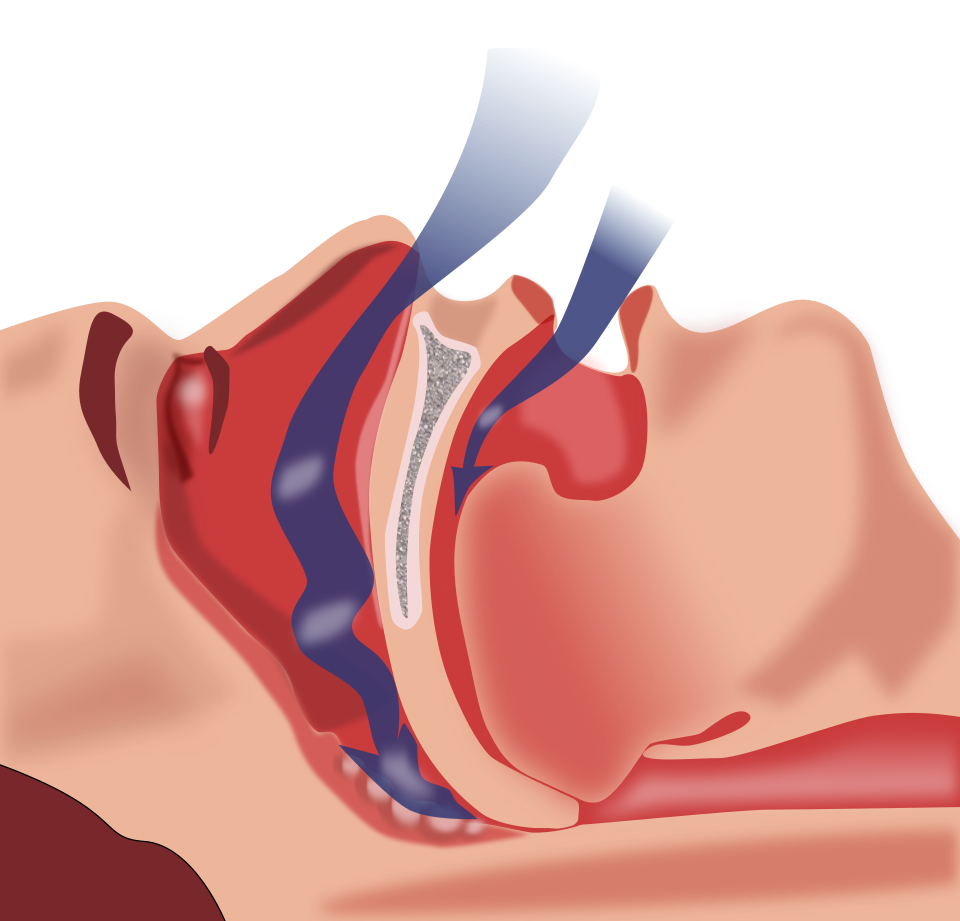
- People with sleep apnea, COPD or other breathing disorders
- People with liver impairment
- People with depression, suicidal thoughts or substance-use history
- Pregnant or breastfeeding patients
- Anyone taking opioids, benzodiazepines, antihistamines or other sedatives
Insomnia needs a broader evaluation
Persistent insomnia may reflect obstructive sleep apnea, restless legs, circadian misalignment, depression, anxiety, pain, medication effects or substance use. Cognitive behavioral therapy for insomnia (CBT-I) is a first-line treatment for chronic insomnia and provides skills that continue after treatment.
When to get urgent help
How W8MD can help
W8MD sleep clinicians can evaluate the cause of insomnia, screen for sleep apnea, arrange home sleep testing when appropriate and discuss behavioral and medication options. W8MD does not recommend using sedatives to mask untreated sleep apnea.
Frequently asked questions
Can zolpidem be taken every night?
Only as directed. Persistent need should trigger reassessment of the diagnosis, benefits, risks and alternatives.
Can I drink alcohol with zolpidem?
No. Alcohol can substantially increase impairment and dangerous sedation.
What if I cannot sleep after taking it?
Do not take an extra dose unless the prescriber specifically directs it. Follow the product instructions and contact the clinician.
Authoritative sources
Request a sleep-medicine evaluation
W8MD Weight Loss, Sleep & MedSpa provides physician-supervised care in Brooklyn, New York and Northeast Philadelphia. Telehealth may be available for eligible patients based on location and applicable requirements.
Contact W8MD