
Sustainable diets
Sustainable diets
How sustainable diets balance nutrition, affordability, culture, environmental impact, food waste and long-term adherence.
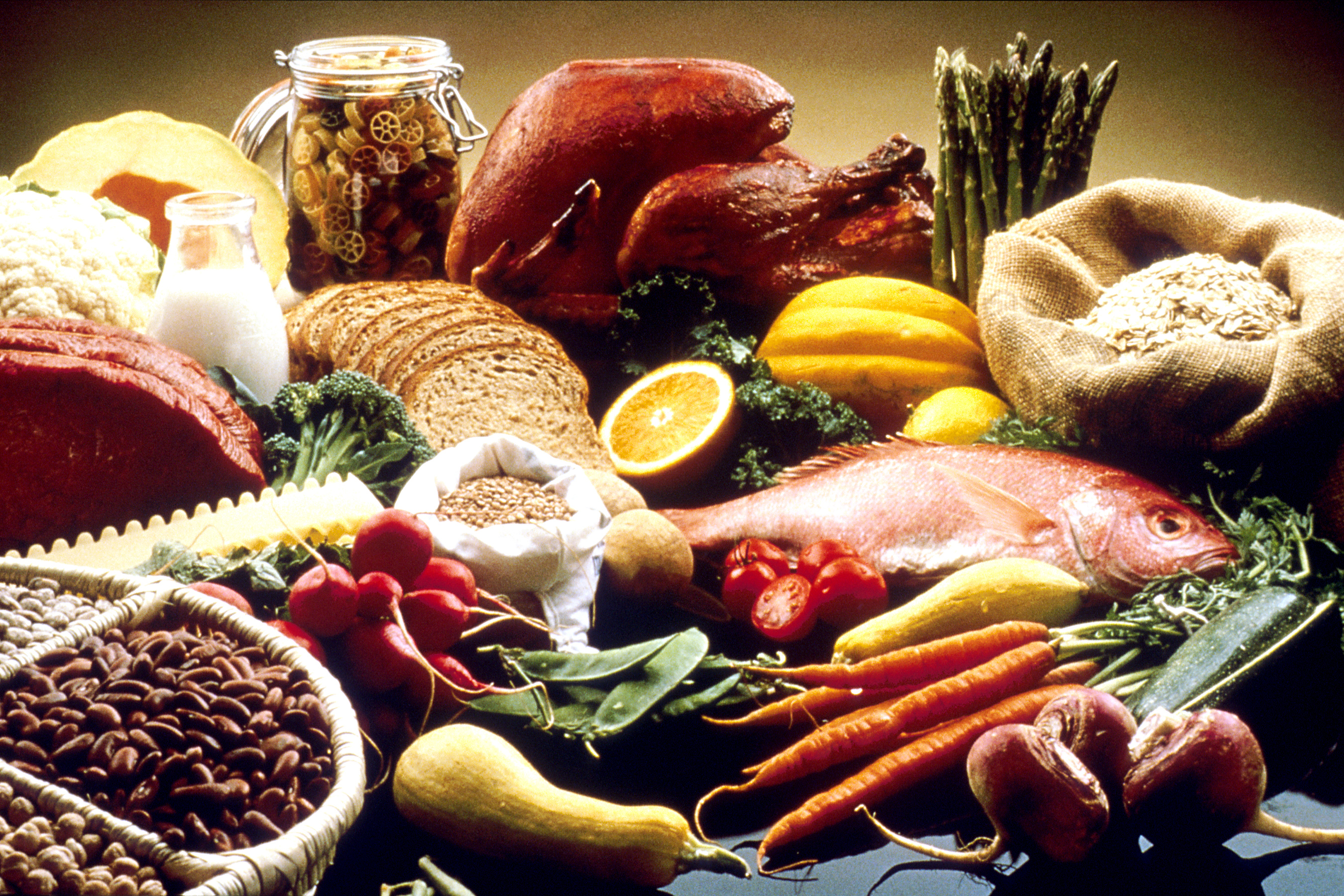
What is a sustainable diet?
A sustainable diet supports health while considering affordability, culture, food security and environmental impact. It is not one rigid menu. Many sustainable patterns emphasize plant foods, reduce waste and use animal foods thoughtfully while maintaining adequate nutrition.
Principles
Nutrient adequacy
Meet protein, vitamin, mineral and energy needs before pursuing environmental goals.
More plant foods
Use vegetables, fruit, legumes, whole grains, nuts and seeds as major components.
Less waste
Plan portions, store food safely, freeze leftovers and use edible stems or imperfect produce.
Cultural fit
Build on familiar recipes and locally available foods rather than imposing a universal diet.
Sustainability and weight loss
A diet must also be behaviorally sustainable. Excessive restriction, costly specialty foods or meals that conflict with family life are unlikely to last. Plant-forward does not automatically mean low calorie: oils, nuts, refined grains and sweets still require appropriate portions.
Practical steps
- Plan one or more bean, lentil or tofu meals weekly
- Buy seasonal, frozen or shelf-stable produce
- Choose tap water when safe instead of bottled sugary drinks
- Use a shopping list and rotate leftovers
- Select appropriately portioned fish, poultry or meat when included
- Avoid perfectionism; consistent moderate changes matter
How W8MD can help
W8MD physicians and clinicians evaluate weight history, medications, nutrition, body composition, metabolic risk factors and sleep-related barriers before recommending an individualized plan. Available services may include medical weight loss, GLP-1 treatment evaluation, established oral medications, nutrition planning, sleep-apnea care and long-term maintenance support.
When an FDA-approved medication is appropriate and insurance coverage exists, W8MD can review benefits and assist with prior-authorization documentation. Coverage and approval are determined by the health plan.
W8MD can create a plant-forward or mixed diet that meets protein and micronutrient goals, accommodates culture and budget, and supports weight treatment. Sustainability includes the patient’s ability to continue the plan.
Frequently asked questions
Must a sustainable diet be vegan?
No. Several plant-forward patterns include modest animal foods.
Are local foods always environmentally better?
Not necessarily; production method, season and waste also matter.
Can a sustainable diet be low carbohydrate?
Yes, using vegetables, plant proteins, nuts, seeds and selected animal proteins while monitoring nutritional adequacy.
Authoritative sources
Build a healthy plan you can sustain
W8MD Weight Loss, Sleep & MedSpa provides physician-supervised care in Brooklyn, New York and Northeast Philadelphia. Telehealth may be available for eligible patients based on location and applicable requirements.
Contact W8MD