
Obesity hypoventilation syndrome
Obesity hypoventilation syndrome
A serious obesity-related breathing disorder that requires accurate diagnosis, positive-airway-pressure treatment and sustained weight management.
What is obesity hypoventilation syndrome?
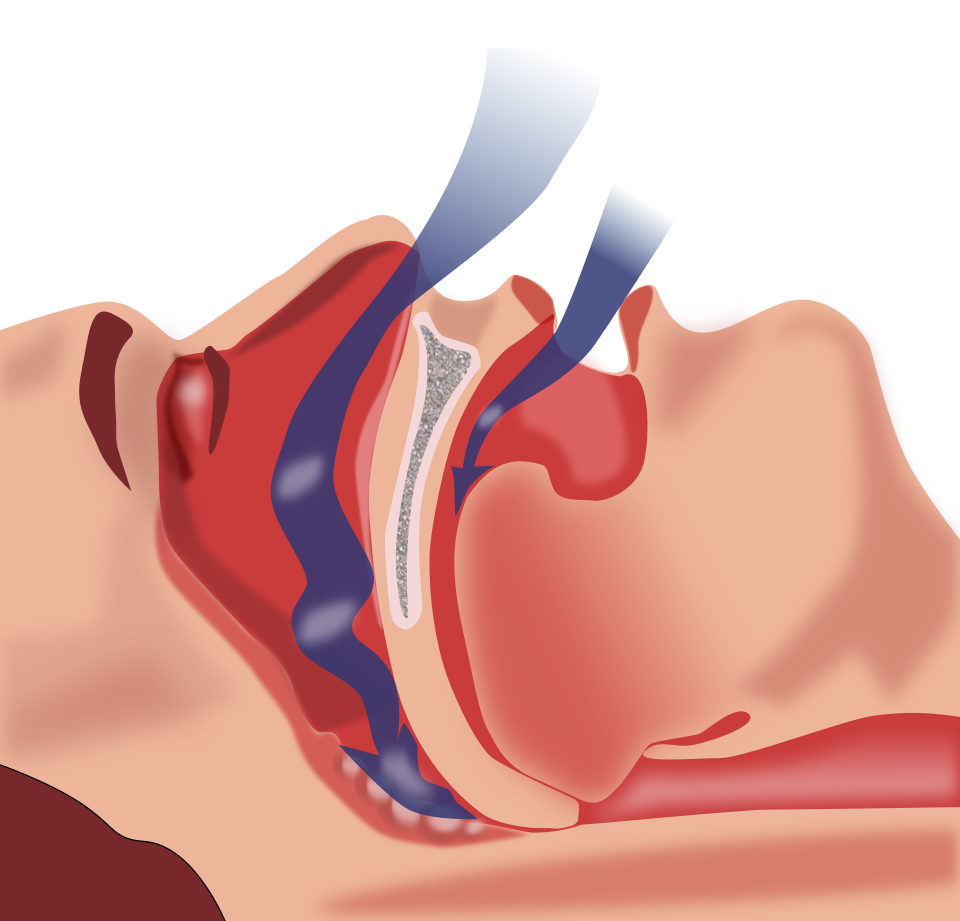
Obesity hypoventilation syndrome (OHS), sometimes called Pickwickian syndrome, is a serious breathing disorder in which a person with obesity retains too much carbon dioxide while awake. It is diagnosed when obesity and awake hypoventilation occur together and another explanation—such as advanced lung disease, a neuromuscular disorder, a chest-wall disorder, medication-related respiratory suppression or severe hypothyroidism—does not better account for the problem.
OHS is not simply another name for obstructive sleep apnea. Most people with OHS also have obstructive sleep apnea, but OHS additionally involves inadequate ventilation and elevated carbon dioxide during waking hours. Untreated disease can lead to respiratory failure, pulmonary hypertension, right-sided heart strain, hospitalization and premature death.
Symptoms and warning signs
Sleep-related symptoms
Loud snoring, witnessed pauses, choking or gasping, restless sleep and morning headaches may occur.
Daytime symptoms
Excessive sleepiness, fatigue, shortness of breath, poor concentration and dizziness can develop.
Cardiopulmonary signs
Low oxygen, ankle swelling, elevated neck veins or signs of pulmonary hypertension may indicate advanced disease.
High-risk situations
Sedatives, opioids, anesthesia, supplemental oxygen without appropriate monitoring, air travel and acute illness may require special planning.
How OHS is diagnosed
Diagnosis requires more than symptoms or a consumer oxygen monitor. A clinician reviews weight, medicines, alcohol or sedative exposure, lung and neuromuscular history, examination findings and competing causes of hypoventilation.
| Assessment | Purpose |
|---|---|
| Daytime arterial blood gas | Confirms awake hypercapnia; a PaCO2 of at least 45 mm Hg is part of the standard definition. |
| Serum bicarbonate | Can help screen selected patients with low-to-moderate suspicion; an elevated result is not diagnostic and may require blood-gas testing. |
| Sleep study | Defines obstructive sleep apnea severity, nocturnal hypoventilation and the type of positive-airway-pressure support needed. |
| Pulmonary and cardiac evaluation | May include lung-function tests, imaging, electrocardiography or echocardiography to identify other causes and complications. |
| Medication review | Identifies opioids, sedatives and other substances that may worsen breathing. |
A home sleep-apnea test can identify selected cases of obstructive sleep apnea, but it does not by itself establish awake hypercapnia or exclude other causes of hypoventilation. Suspected OHS often requires laboratory testing and coordinated sleep or pulmonary evaluation.
Treatment: breathing support and weight management
Positive airway pressure
Stable ambulatory patients generally require PAP during sleep. CPAP is often first-line when severe obstructive sleep apnea coexists; BiPAP or another form of noninvasive ventilation may be needed when hypoventilation persists or severe OSA is absent.
Weight reduction
Sustained, substantial weight loss can improve ventilation and may resolve OHS in some patients. The ATS guideline discusses loss of approximately 25%–30% of actual body weight as the range most likely to achieve resolution, often requiring intensive medical or surgical treatment.
Medication safety
Opioids, sedatives and sleep medicines require careful review. Oxygen should not be used as a substitute for adequate ventilation or PAP without clinician direction.
Ongoing monitoring
PAP adherence, symptoms, oxygen and carbon-dioxide status, weight, blood pressure and cardiopulmonary complications require follow-up.
Weight-loss treatment in OHS
Weight management should occur alongside—not in place of—effective breathing support. Depending on eligibility and medical history, treatment may include structured nutrition, physical activity adapted to cardiopulmonary capacity, behavioral support, FDA-approved anti-obesity medication and bariatric-surgery referral.
GLP-1 or GIP/GLP-1 medications may support clinically meaningful weight loss in eligible patients, but they are not an emergency treatment for carbon-dioxide retention. Medication selection requires attention to hydration, nutrition, gastrointestinal side effects, other conditions and insurance criteria. PAP should not be stopped solely because weight is decreasing; reassessment is needed before changing respiratory treatment.
How W8MD can help
W8MD combines sleep-medicine evaluation with physician-supervised weight management. The team can screen for obstructive sleep apnea, arrange an appropriate sleep study, review PAP use, evaluate obesity-related risks and build an individualized weight-loss plan.
When OHS is suspected, W8MD can coordinate the blood-gas, pulmonary, cardiology or laboratory evaluation needed to confirm the diagnosis and distinguish it from ordinary sleep apnea. Treatment may include CPAP or BiPAP management, nutrition planning, established oral medications, GLP-1 treatment when appropriate and referral for bariatric or advanced respiratory care.
Insurance coverage, medication approval and PAP authorization depend on the health plan and documented clinical criteria. W8MD can assist with medically appropriate documentation and prior-authorization requests when coverage is available.
Frequently asked questions
Is obesity hypoventilation syndrome the same as sleep apnea?
No. OHS includes daytime carbon-dioxide retention in a person with obesity. Most affected patients also have obstructive sleep apnea, but the conditions are not identical.
Can a home sleep study diagnose OHS?
A home study may help diagnose obstructive sleep apnea in selected patients, but OHS generally requires assessment of awake carbon dioxide and exclusion of other causes. Laboratory or pulmonary testing may be needed.
Is CPAP or BiPAP better for OHS?
The choice depends on sleep-study findings and response. CPAP is often used first when severe obstructive sleep apnea is present; BiPAP or other noninvasive ventilation may be appropriate in other situations.
Can weight loss cure OHS?
Substantial sustained weight loss can improve or sometimes resolve OHS, but breathing treatment must continue until objective reassessment supports a change.
Can GLP-1 medication replace PAP?
No. Weight-loss medication may address an important cause over time, while PAP or noninvasive ventilation treats current sleep-related breathing failure.
Is oxygen alone enough?
Not usually. Oxygen may improve oxygen saturation without correcting inadequate ventilation or elevated carbon dioxide and should be used only as prescribed within a complete treatment plan.
Authoritative sources
Request a sleep and medical weight-loss evaluation
W8MD Weight Loss, Sleep & MedSpa provides physician-supervised care in Brooklyn, New York and Northeast Philadelphia. Telehealth may be available for eligible patients based on location and applicable requirements.
Contact W8MD