Nutrition counseling
Nutrition counseling for weight loss, obesity medicine, GLP-1 therapy, diabetes prevention, sleep apnea, and long-term weight maintenance
| Nutrition counseling | |
|---|---|
| Nutrition counseling helps patients make evidence-based food choices for weight loss, metabolic health, and long-term maintenance | |
| Specialty | Nutrition, obesity medicine, medical weight loss, lifestyle medicine, preventive medicine |
| Uses | Obesity, overweight, weight loss, weight loss maintenance, prediabetes, type 2 diabetes, insulin resistance, metabolic syndrome, sleep apnea
|
| Related | W8MD Weight Loss, Sleep and MedSpa, W8MD weight loss diet, personalized weight loss plan, GLP-1 weight loss, long-term weight maintenance |
Nutrition counseling is a patient-centered, evidence-based process that helps individuals improve food choices, eating patterns, portion control, nutrition quality, and long-term health. In obesity medicine and medical weight loss, nutrition counseling is used to help patients lose weight safely, improve insulin resistance, reduce prediabetes risk, manage type 2 diabetes, improve metabolic syndrome, support GLP-1 weight loss injections, and maintain long-term results.
W8MD Weight Loss, Sleep and MedSpa uses nutrition counseling as a core part of its physician-supervised medical weight loss program. W8MD combines individualized nutrition plans, meal replacements, low-carbohydrate diet options, ketogenic diet education, GLP-1 weight loss injections, traditional diet pills when appropriate, sleep medicine, sleep apnea screening, and long-term weight maintenance support.
Overview
Nutrition counseling is more than giving a generic diet sheet. It is a structured conversation and care plan that helps the patient understand what to eat, how much to eat, how often to eat, how to adjust food choices for medical conditions, and how to maintain progress over time.
Nutrition counseling may help patients with:
- Weight loss
- Weight loss maintenance
- Obesity
- Overweight
- Prediabetes
- Type 2 diabetes
- Insulin resistance
- Metabolic syndrome
- Hypertension
- Dyslipidemia
- Fatty liver disease
- PCOS
- Sleep apnea
- Binge eating
- Emotional eating
- Night eating
- Food cravings
- GLP-1 medication support
Why nutrition counseling matters
Many patients know they should “eat healthier,” but they need practical help translating that goal into meals, snacks, grocery choices, restaurant choices, and long-term habits. Nutrition counseling helps patients create a realistic plan that fits their medical history, culture, food preferences, budget, cooking ability, schedule, and weight-loss medication plan.
The National Institute of Diabetes and Digestive and Kidney Diseases recommends choosing a safe weight-loss program that includes guidance on healthy eating, physical activity, behavior change, and long-term strategies for keeping weight off.Choosing a Safe and Successful Weight-loss Program(link). National Institute of Diabetes and Digestive and Kidney Diseases.
The Academy of Nutrition and Dietetics adult weight management guideline is intended to inform medical nutrition therapy interventions for adults with overweight or obesity, including those with cardiometabolic disease such as type 2 diabetes or cardiovascular disease.Adult Weight Management Guideline 2021-2022(link). Academy of Nutrition and Dietetics Evidence Analysis Library.
Nutrition counseling at W8MD
W8MD Weight Loss, Sleep and MedSpa uses nutrition counseling to personalize weight loss and maintenance plans. Instead of using one diet for everyone, W8MD may adjust nutrition advice based on hunger, cravings, insulin resistance, sleep, culture, medications, and long-term goals.
W8MD nutrition counseling may include:
- Personalized weight loss plan
- W8MD weight loss diet
- Medical nutrition therapy
- Protein planning
- Dietary fiber
- Low-carbohydrate diet
- Ketogenic diet
- Low-glycemic diet
- Meal replacements
- Portion control
- Meal timing
- Hydration
- Eating-out strategies
- Cultural food adaptation
- GLP-1 nutrition support
- Weight loss maintenance
- Sleep apnea and weight counseling
Nutrition counseling and medical weight loss
Nutrition counseling is foundational in physician-supervised medical weight loss. Even when patients use GLP-1 weight loss injections or prescription diet pills, nutrition quality remains important for preserving muscle, preventing constipation, reducing nausea, controlling blood sugar, and maintaining results.
W8MD may combine nutrition counseling with:
Nutrition counseling and GLP-1 therapy
Patients using GLP-1 receptor agonists or related incretin therapies often need specific nutrition guidance because these medications reduce appetite and slow stomach emptying. Without counseling, patients may eat too little protein, become dehydrated, develop constipation, or rely on low-quality foods in very small portions.
GLP-1 nutrition counseling may focus on:
- Small protein-first meals
- Adequate hydration
- Avoiding greasy meals
- Avoiding large late meals
- Preventing constipation
- Gradual fiber increase
- Electrolyte awareness
- Strength training support
- Avoiding muscle loss
- Meal replacements when appropriate
- Maintenance after goal weight
Protein counseling
Protein is important for satiety, muscle preservation, immune function, wound healing, and long-term maintenance. During weight loss, adequate protein may help reduce loss of lean mass, especially when combined with strength training.
Protein sources may include:
- Eggs
- Fish
- Chicken
- Turkey
- Lean meats
- Greek yogurt
- Cottage cheese
- Tofu
- Tempeh
- Beans in selected plans
- Lentils in selected plans
- Protein shakes
- W8MD-style meal replacements
Fiber counseling
Dietary fiber supports satiety, bowel regularity, blood sugar control, cholesterol improvement, and gut health. The CDC emphasizes healthy eating patterns that include vegetables, fruits, protein foods, dairy without added sugars, healthy fats, and whole grains.Tips for Healthy Eating for a Healthy Weight(link). Centers for Disease Control and Prevention.
Fiber-rich foods may include:
- Non-starchy vegetables
- Leafy greens
- Broccoli
- Cauliflower
- Cabbage
- Berries
- Avocado
- Chia seeds
- Flaxseed
- Nuts in controlled portions
- Beans and lentils in selected plans
- Whole grains in selected plans
Low-carbohydrate and keto counseling
Some W8MD patients benefit from low-carbohydrate diet or ketogenic diet counseling, especially those with insulin resistance, prediabetes, type 2 diabetes, abdominal weight gain, high triglycerides, or strong carbohydrate cravings.
Low-carbohydrate counseling may include:
- Reducing added sugars
- Reducing refined carbohydrates
- Limiting sweet drinks
- Replacing rice, bread, pasta, and potatoes
- Increasing protein
- Increasing non-starchy vegetables
- Choosing healthy fats
- Planning keto-friendly meals
- Adapting cultural foods
- Avoiding hidden sugars
Using WikiMD nutrition and keto resources
W8MD can use the large nutrition and keto education library available at WikiMD to help patients personalize meal planning. These resources are especially useful for patients who want culturally familiar food options rather than a generic diet.
Useful WikiMD resources include:
Cuisine-specific keto resources
Patients are more likely to follow a nutrition plan that respects their culture and favorite foods. WikiMD cuisine-specific keto pages can help patients identify lower-carbohydrate options within familiar cuisines.
Examples include:
- Keto Indian foods
- Keto Chinese foods
- Keto Mexican foods
- Keto American foods
- Keto Russian foods
- Keto Mediterranean foods
- Keto French foods
- Keto English foods
- Keto Nigerian foods
- Keto Indonesian foods
- Keto Trinidadian foods
- Keto Haitian foods
- Keto Dominican foods
- Keto Egyptian foods
- Keto Bangladeshi foods
- Keto Guatemalan foods
- Keto Surinamese foods
- Keto Guyanese foods
- Keto vegan foods
Meal replacement counseling
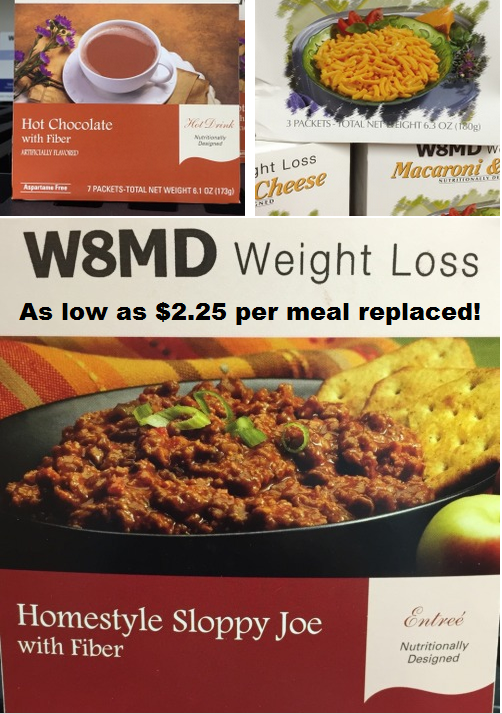
Meal replacements can help selected patients with calorie control, protein intake, convenience, affordability, and consistency. They may be useful during active weight loss, GLP-1 therapy, busy workdays, travel, or maintenance.
Meal replacement counseling may include:
- When to use meal replacements
- How many meals to replace
- Protein target
- Fiber target
- Hydration
- Avoiding excessive restriction
- Transitioning back to whole foods
- Maintenance use
- Preventing boredom
- Combining with low-carb meals
Nutrition counseling for diabetes and prediabetes
Nutrition counseling is central for prediabetes and type 2 diabetes. It can improve blood glucose, reduce insulin resistance, support weight loss, and lower medication burden in selected patients.
The American Diabetes Association Standards of Care in Diabetes—2026 notes that in people with type 2 diabetes and overweight or obesity, modest weight loss improves glycemia and reduces the need for glucose-lowering medications, while greater weight loss may substantially reduce A1C and fasting glucose and may promote sustained diabetes remission."Obesity and Weight Management for the Prevention and Treatment of Type 2 Diabetes: Standards of Care in Diabetes—2026".Diabetes Care.2026;49(Supplement_1)
- S166-S184.doi:10.2337/dc26-S008.
Diabetes-focused counseling may include:
- Carbohydrate quality
- Carbohydrate timing
- Protein with meals
- Fiber-rich foods
- Avoiding sweet drinks
- Low-glycemic meals
- Weight loss goals
- Blood sugar monitoring
- Hypoglycemia prevention
- Medication coordination
Nutrition counseling and sleep apnea
Nutrition counseling may support sleep apnea treatment by helping patients lose weight, reduce evening overeating, improve reflux, and reduce alcohol intake. W8MD’s combined focus on weight loss and sleep medicine is important because untreated sleep apnea can worsen fatigue, hunger, cravings, blood pressure, and insulin resistance.
Sleep-related nutrition goals may include:
- Avoiding large late meals
- Reducing alcohol
- Reducing reflux-triggering foods
- Weight loss when appropriate
- Protein-first dinners
- Better meal timing
- Hydration earlier in the day
- Treating sleep apnea
Personalized nutrition plan
A personalized nutrition plan should fit the patient’s medical needs and real life.
W8MD may personalize nutrition based on:
- Age
- Sex
- Weight
- Goal weight
- Medical conditions
- Medications
- Blood pressure
- Blood sugar
- Food preferences
- Cultural foods
- Cooking skills
- Work schedule
- Budget
- Appetite
- Cravings
- Sleep pattern
- Exercise level
- Weight-loss phase
Sample W8MD nutrition counseling framework
| Area | What is reviewed | Why it matters |
|---|---|---|
| Medical history | Obesity, diabetes, hypertension, fatty liver, PCOS, sleep apnea | Guides diet type and safety |
| Weight history | Highest weight, current weight, goal weight, prior regain | Helps design realistic goals |
| Food pattern | Meals, snacks, beverages, restaurants, night eating | Identifies high-impact changes |
| Protein | Protein at breakfast, lunch, dinner, snacks | Improves satiety and supports muscle |
| Carbohydrates | Sugars, starches, refined grains, sweet drinks | Helps insulin resistance and cravings |
| Fiber | Vegetables, berries, legumes, seeds, whole foods | Supports fullness and bowel health |
| Medication | GLP-1, diet pills, diabetes medications | Matches nutrition to medication effects |
| Sleep | Snoring, sleep apnea, late eating, fatigue | Poor sleep worsens appetite and weight regain |
| Maintenance | Weekly weight checks, relapse plan, meal structure | Helps keep weight off |
Sample meal structure
A simple W8MD-style meal structure may include:
- Breakfast - Protein-focused meal replacement or eggs with vegetables
- Lunch - Lean protein with non-starchy vegetables and healthy fat
- Snack - Protein shake, Greek yogurt, cottage cheese, nuts, or vegetables
- Dinner - Protein-first plate with vegetables and controlled carbohydrates when appropriate
- Hydration - Water or unsweetened beverages
- Maintenance - Planned higher-carb foods in controlled portions when medically appropriate
Common nutrition counseling topics
Nutrition counseling may address:
- Breakfast skipping
- Late-night eating
- Emotional eating
- Grazing
- Sweet cravings
- Restaurant meals
- Fast food choices
- Alcohol calories
- Protein deficiency
- Low fiber intake
- Constipation
- GLP-1 nausea
- Holiday eating
- Travel meals
- Family meals
- Cultural foods
Affordable W8MD nutrition and weight loss options
Affordable nutrition counseling and medical weight loss options
W8MD Weight Loss, Sleep and MedSpa offers patient-specific nutrition counseling as part of physician-supervised medical weight loss.
- Nutrition counseling may be combined with GLP-1 weight loss injections, prescription diet pills, meal replacements, sleep apnea care, and long-term maintenance.
- Affordable GLP-1 options starting at $29.99/week and up with insurance for visits for eligible patients.
- Most insurances accepted for qualifying medical visits.
- Self-pay GLP-1 injection options starting from $59.99/week and up when available and medically appropriate.
- Pricing, insurance coverage, medication access, nutrition counseling, prior authorization, and eligibility vary by patient, medication, pharmacy availability, location, and medical evaluation.
W8MD patient success highlight
Fantastic program. Truly a life changer.
“FANTASTIC program! Truly a life changer! The first several months I lost on average 3 pounds a week. I have now lost 87 pounds in 10 months and I'm still losing! I can say it feels almost effortless, for with the elimination of most carbs plus the medication I have ZERO cravings and minimal hunger. My cholesterol, blood pressure, and blood sugar have all returned to normal having previously been considerably elevated. I look and feel twenty years younger (I am 57.) Staff is friendly and supportive, and the science works. I did not think that I would be able to achieve such results, and certainly not in less than a year. I am amazed at my success, and I could not have done it without Dr. Tumpati and W8MD.”
- D.M., actual W8MD patient who lost 100 lbs and has maintained the weight loss for over 10 years.
W8MD locations
W8MD serves patients from New York City and Philadelphia offices, with service areas extending across the Northeast and Mid-Atlantic region.
| Location | Address | Phone | Services | Map |
|---|---|---|---|---|
| Brooklyn / New York City Weight Loss Center | 2632 E 21st Street, Suite L3, Brooklyn, NY 11235 | (718) 946-5500 | Medical weight loss, GLP-1 weight loss injections, sleep medicine, MedSpa, nutrition | View map |
| Philadelphia / Greater Philadelphia Weight Loss Center | 1718 Welsh Road, 2nd Floor, Suite C, Philadelphia, PA 19115 | (215) 676-2334 | Medical weight loss, GLP-1 weight loss injections, sleep medicine, nutrition, wellness services | View map |
Service areas
- New York City weight loss
- Greater New York City weight loss
- Brooklyn weight loss
- Manhattan weight loss
- Queens weight loss
- Staten Island weight loss
- Long Island weight loss
- Connecticut weight loss
- New Jersey weight loss
- Philadelphia weight loss
- Greater Philadelphia weight loss
- Northeast Philadelphia weight loss
- Delaware weight loss
- Bucks County weight loss
- Montgomery County PA weight loss
- Delaware County PA weight loss
Frequently asked questions
What is nutrition counseling?
Nutrition counseling is a structured, personalized process that helps patients improve food choices, meal timing, portion control, protein intake, fiber intake, hydration, and long-term eating habits.
How does W8MD use nutrition counseling?
W8MD uses nutrition counseling as part of physician-supervised weight loss, GLP-1 therapy support, meal replacement planning, diabetes prevention, sleep apnea care, and long-term maintenance.
Can nutrition counseling help with GLP-1 side effects?
Yes. Nutrition counseling may help reduce nausea, constipation, dehydration, low protein intake, and poor food quality during GLP-1 therapy.
Can nutrition counseling help diabetes?
Yes. Nutrition counseling can improve carbohydrate quality, weight loss, blood sugar control, and insulin resistance in people with prediabetes or type 2 diabetes.
Does W8MD offer keto and low-carb counseling?
Yes. W8MD may use low-carbohydrate, ketogenic, low-glycemic, or meal replacement strategies when medically appropriate.
Can W8MD customize nutrition by cuisine?
Yes. W8MD can use WikiMD cuisine-specific keto and nutrition resources to help patients adapt familiar cultural foods to weight-loss goals.
Is nutrition counseling useful after reaching goal weight?
Yes. Maintenance nutrition counseling helps prevent weight regain by keeping protein, fiber, meal structure, portion control, and follow-up consistent.
Conclusion
Nutrition counseling is a core part of successful weight loss, metabolic health, GLP-1 therapy, diabetes prevention, sleep apnea care, and long-term maintenance. W8MD Weight Loss, Sleep and MedSpa uses patient-specific nutrition counseling to help patients choose realistic meals, improve protein and fiber intake, manage carbohydrates, use meal replacements when appropriate, reduce cravings, support GLP-1 therapy, and keep weight off. By combining nutrition counseling with physician-supervised medical weight loss, sleep medicine, and the large nutrition resources available through WikiMD, W8MD can help patients build sustainable plans that fit their health, culture, and lifestyle.
See also
- Nutrition counseling
- Medical nutrition therapy
- Medical weight loss
- Obesity medicine
- Weight loss
- Weight loss maintenance
- Personalized weight loss plan
- W8MD weight loss diet
- Healthy food choices
- Diet and nutrition for weight loss
- Meal replacements
- Low-carbohydrate diet
- Ketogenic diet
- GLP-1 weight loss
- Semaglutide
- Tirzepatide
- Sleep apnea
- Insulin resistance
- Prediabetes
- Type 2 diabetes
- W8MD Weight Loss, Sleep and MedSpa
Relevant WikiMD links
- Nutrition counseling on WikiMD
- Medical nutrition therapy on WikiMD
- W8MD weight loss diet on WikiMD
- Medical weight loss on WikiMD
- Weight loss on WikiMD
- Weight loss maintenance on WikiMD
- Healthy food choices on WikiMD
- Diet and nutrition for weight loss on WikiMD
- Meal replacements on WikiMD
- Low-carbohydrate diet on WikiMD
- Ketogenic diet on WikiMD
- GLP-1 on WikiMD
- Semaglutide on WikiMD
- Tirzepatide on WikiMD
- Sleep apnea on WikiMD
Further reading
- Choosing a Safe and Successful Weight-loss Program(link). National Institute of Diabetes and Digestive and Kidney Diseases.
- Adult Weight Management Guideline 2021-2022(link). Academy of Nutrition and Dietetics Evidence Analysis Library.
- Tips for Healthy Eating for a Healthy Weight(link). Centers for Disease Control and Prevention.
- Physical Activity and Your Weight and Health(link). Centers for Disease Control and Prevention.April 7, 2026.
- "Obesity and Weight Management for the Prevention and Treatment of Type 2 Diabetes: Standards of Care in Diabetes—2026".Diabetes Care.2026;49(Supplement_1)
- S166-S184.doi:10.2337/dc26-S008.
- Prescription Medications to Treat Overweight and Obesity(link). National Institute of Diabetes and Digestive and Kidney Diseases.
External links
- W8MD Weight Loss, Sleep and Medspa Centers
- NYC medical weight loss
- Philadelphia medical weight loss
- Nutrition counseling on WikiMD
- W8MD weight loss diet on WikiMD
- Healthy food choices on WikiMD
- Diet and nutrition for weight loss on WikiMD
- Ketogenic diet on WikiMD
- Meal replacements on WikiMD
| W8MD Weight Loss, Sleep and MedSpa | ||||||||||
|---|---|---|---|---|---|---|---|---|---|---|
|