
Upper airway resistance syndrome
Upper airway resistance syndrome
UARS symptoms, testing limitations, respiratory-effort arousals and treatment with PAP, oral appliances and coordinated W8MD care.
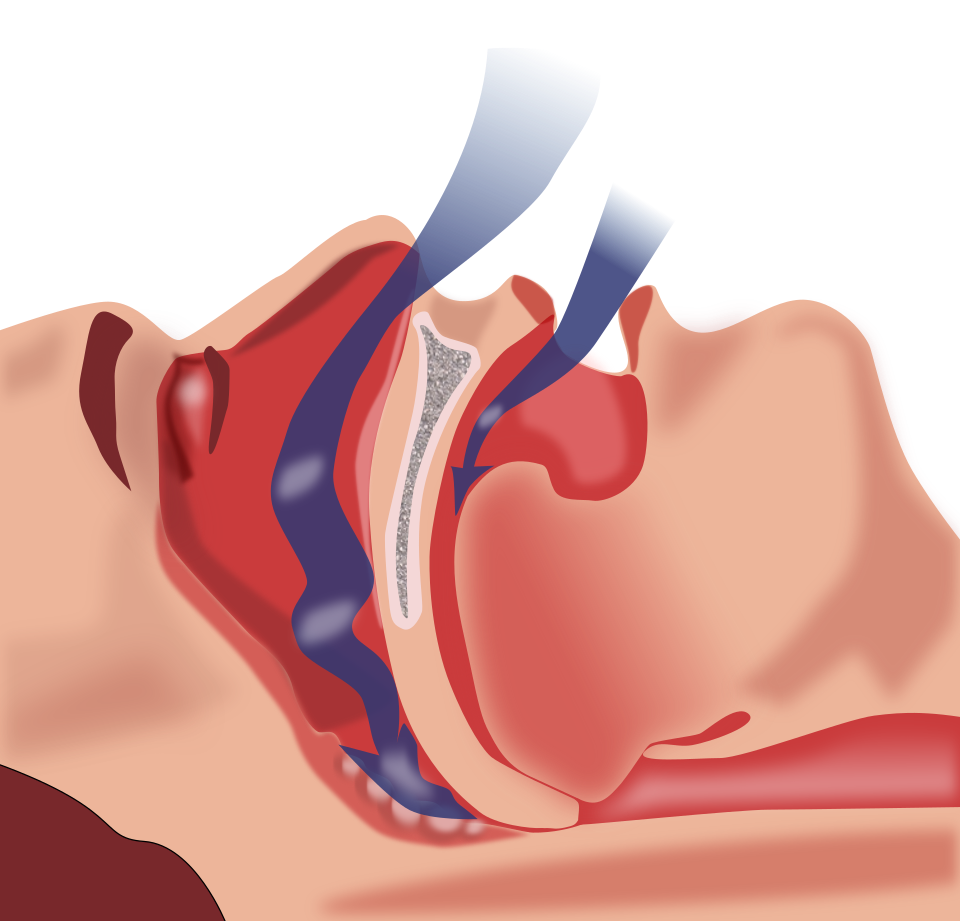
What is upper airway resistance syndrome?
Upper airway resistance syndrome (UARS) describes sleep-disordered breathing in which increased resistance in the upper airway leads to greater breathing effort, repeated arousals and daytime symptoms, even when a standard apnea-hypopnea index is below the usual obstructive sleep apnea threshold.
UARS terminology and diagnostic thresholds are not applied uniformly. Modern sleep classification often places respiratory-effort-related arousals within the obstructive sleep apnea spectrum. The practical issue is whether flow limitation and breathing effort are fragmenting sleep and causing symptoms.
Symptoms that may suggest UARS
Night symptoms
Snoring, flow limitation, frequent arousals, restless sleep, dry mouth and insomnia-like complaints.
Day symptoms
Fatigue, sleepiness, headaches, poor concentration, unrefreshing sleep and mood symptoms.
Possible anatomy
Nasal obstruction, a narrow jaw or palate and other upper-airway features may contribute.
Overlap
Symptoms overlap with OSA, insomnia, bruxism, nasal disease, reflux and autonomic conditions.
Why diagnosis can be difficult
A home sleep-apnea test may miss arousal-based breathing events because many devices do not measure brain-wave arousals or calculate respiratory-effort-related arousals. When suspicion remains despite a nondiagnostic home study, attended polysomnography may be appropriate.
| Measure | Role |
|---|---|
| Apnea-hypopnea index | May be low or below the customary OSA cutoff. |
| Respiratory disturbance index | May include respiratory-effort-related arousals in addition to apneas and hypopneas. |
| Nasal pressure flow | Can demonstrate inspiratory flow limitation. |
| EEG arousals | Shows sleep fragmentation associated with breathing effort. |
| Clinical correlation | Symptoms and competing causes must be assessed; a number alone is insufficient. |
Treatment options
Positive airway pressure
CPAP or auto-adjusting PAP may reduce flow limitation and arousals in selected patients.
Oral appliance
A qualified dental sleep provider may consider mandibular advancement for appropriate anatomy.
Nasal treatment
Allergy, congestion or structural obstruction may require medical or ENT evaluation.
Weight and habits
Weight management may help when excess weight contributes, while alcohol, sedatives and sleep deprivation can worsen airway collapsibility.
Coverage and diagnostic limitations
Insurance criteria for PAP or oral appliances often rely on defined OSA metrics and may not recognize UARS as a separate covered diagnosis. Documentation of symptoms, respiratory disturbance and treatment response may be important, but coverage is determined by the plan.
Persistent fatigue with a “normal” test does not automatically prove UARS. Insufficient sleep, anemia, thyroid disease, depression, medications, narcolepsy and other conditions may need evaluation.
How W8MD can help
W8MD Sleep Medicine can assess snoring, fatigue, insomnia and nondiagnostic prior testing; review whether a home study was sufficient; and arrange attended testing or specialist evaluation when arousal-based breathing is suspected.
If sleep-disordered breathing and excess weight coexist, W8MD can coordinate PAP support with physician-supervised weight management. Weight loss complements airway treatment but should not delay evaluation of hazardous sleepiness or breathing symptoms.
Frequently asked questions
Is UARS the same as sleep apnea?
It overlaps with the obstructive sleep-apnea spectrum, but classic descriptions emphasize flow limitation and arousals with few scored apneas or hypopneas.
Can a home sleep test detect UARS?
Many home tests cannot measure EEG arousals, so a negative result may not resolve strong clinical suspicion.
Does UARS always cause low oxygen?
No. Sleep fragmentation may occur without prominent oxygen desaturation.
Will losing weight cure it?
Weight reduction may help some patients, but anatomy and nasal resistance also matter and symptoms require objective reassessment.
Authoritative sources
Request a sleep-breathing evaluation
W8MD Weight Loss, Sleep & MedSpa provides physician-supervised care in Brooklyn, New York and Northeast Philadelphia. Telehealth may be available for eligible patients based on location and applicable requirements.
Contact W8MD