Weight regain

From W8MD weight loss and sleep centers

Weight regain after weight loss, why it happens, and how W8MD helps prevent regain with follow-up, GLP-1 maintenance, microdosing, diet pills, nutrition counseling, and lifestyle medicine

Weight regain
Confused.jpeg
Synonyms N/A
Pronounce N/A
Specialty N/A
Symptoms Increasing weight after prior weight loss, return of hunger, cravings, food noise, larger portions, night eating, fatigue
Complications Obesity, prediabetes, type 2 diabetes, hypertension, sleep apnea, metabolic syndrome, fatty liver disease
Onset N/A
Duration N/A
Types N/A
Causes Metabolic adaptation, appetite hormones, reduced energy expenditure, loss of fat-free mass, poor sleep, medication withdrawal, lifestyle relapse, obesity memory
Risks N/A
Diagnosis N/A
Differential diagnosis N/A
Prevention N/A
Treatment Weight loss maintenance, GLP-1 maintenance therapy, microdosing, nutrition counseling, diet pills, meal replacements, sleep apnea care, strength training
Medication N/A
Prognosis N/A
Frequency N/A
Deaths N/A


Weight regain can occur after lifestyle weight loss, medications, or bariatric surgery unless a long-term maintenance plan is used.
W8MD Weight Loss, Sleep and MedSpa helps patients lose weight and maintain results through physician-supervised obesity medicine, nutrition counseling, sleep medicine, and long-term follow-up.
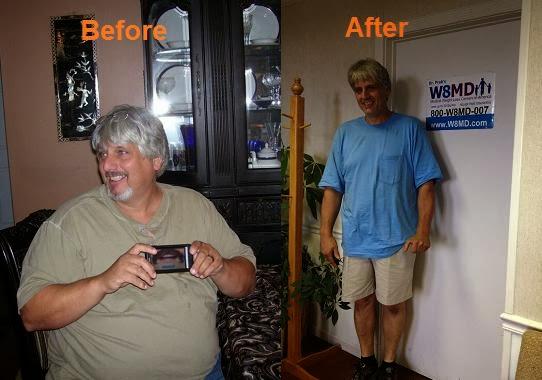
W8MD success stories include patients losing more than 100 pounds and maintaining results long term.
Preventing regain often requires customized plans, medication adjustment, appetite control, protein intake, and lifestyle structure.
Meal replacements may help selected patients maintain protein intake, portion control, convenience, and structure.
Untreated sleep apnea can worsen fatigue, hunger, cravings, blood pressure, and insulin resistance, making weight regain more likely.

Weight regain is the return of body weight after a period of successful weight loss. It may occur after lifestyle-based dieting, medical weight loss, GLP-1 weight loss injections, traditional prescription diet pills, very low calorie diets, meal replacements, or bariatric surgery. Weight regain is not simply a failure of willpower. It is often driven by powerful biological, hormonal, behavioral, metabolic, sleep-related, environmental, and medication-related factors.

In modern obesity medicine, weight regain is understood as a predictable risk after weight loss because obesity is a chronic, relapsing disease. Long-term maintenance requires ongoing treatment, monitoring, nutrition support, appetite control, muscle preservation, sleep optimization, medication adjustment when appropriate, and early intervention when weight begins to return.

W8MD Weight Loss, Sleep and MedSpa helps patients prevent and treat weight regain through long-term follow-up, patient-specific weight loss maintenance plans, GLP-1 maintenance therapy, clinician-guided microdosing discussions, prescription diet pills when appropriate, nutrition counseling, meal replacements, sleep apnea screening, lifestyle medicine, and customized relapse-prevention strategies.

Overview

Weight regain can occur regardless of how weight loss was achieved. A person may regain weight after:

A 2025 review on the physiology of weight regain emphasized that weight regain occurs independent of whether prior weight loss was achieved through lifestyle, surgery, or pharmacotherapy, and highlighted emerging areas such as immune obesity memory, gut microbiome changes, fat-free mass loss, and altered appetite regulation."Physiology of Weight Regain after Weight Loss: Latest Insights".Current Obesity Reports.2025;PMID:40163180.PMC:11958498.

Why weight regain happens

Weight regain usually has multiple causes. Common drivers include:

  • Increased hunger after weight loss
  • Reduced satiety
  • Return of cravings
  • Return of food noise
  • Reduced resting energy expenditure
  • Loss of muscle or fat-free mass
  • Poor sleep
  • Untreated sleep apnea
  • Stress eating
  • Emotional eating
  • Night eating
  • Stopping weight-loss medications
  • Medication side effects
  • Loss of follow-up structure
  • Return to refined carbohydrates and added sugars
  • Alcohol intake
  • Reduced physical activity
  • Medical conditions such as hypothyroidism or PCOS

Weight regain is not a character flaw

Patients often blame themselves when weight returns. However, research shows that after weight loss, the body may actively defend against the lower weight through changes in appetite, hormones, energy expenditure, fat tissue biology, and brain signaling. This is why long-term follow-up is essential.

Biology of weight regain

Metabolic adaptation

After weight loss, the body often burns fewer calories than expected for the new body size. This reduced energy expenditure can make maintenance harder, especially if the patient returns to prior eating patterns.

Increased appetite

After weight loss, appetite signals may shift in a direction that promotes eating. Hunger may increase, fullness may decrease, and the brain may respond more strongly to food cues.

The classic NEJM study by Sumithran and colleagues found that compensatory changes in appetite-related hormones after diet-induced weight loss did not return to baseline even after 12 months, suggesting persistent biological pressure toward weight regain."Long-Term Persistence of Hormonal Adaptations to Weight Loss".New England Journal of Medicine.2011;doi:10.1056/NEJMoa1105816.PMID:22029981.

Hypothalamic and neurotensin-related appetite changes

The hypothalamus is a key brain region involved in hunger, satiety, body weight regulation, and energy balance. After weight loss, altered hypothalamic activity may continue to promote hunger and regain. Recent research has also explored neurotensin, an appetite-related hormone and neuropeptide, as a possible marker or mediator of weight-loss maintenance.

A 2023 study reported that increased meal-induced neurotensin release predicted successful weight-loss maintenance in humans, suggesting a possible role for neurotensin responses in appetite control and regain risk."Increased meal-induced neurotensin response predicts successful weight loss maintenance in humans".Metabolism.2023;PMID:36933790.

Immune obesity memory

Recent research suggests that prior obesity may leave a biological “memory” in adipose tissue and immune cells. Some persistent immune changes may promote weight regain, while other immune cell populations may help reduce regain. This field is still developing, but it supports the idea that obesity leaves long-lasting biological effects even after weight loss.

The 2025 review on weight regain describes immune obesity memory as one of the major emerging areas of research, including persistent immune cells that may promote weight regain and other cells that may counteract regain."Physiology of Weight Regain after Weight Loss: Latest Insights".Current Obesity Reports.2025;PMID:40163180.PMC:11958498.

Gut microbiome memory

The gut microbiome may influence weight regain after weight loss. Animal and human studies suggest that microbial patterns may persist after obesity and contribute to regain risk. Early research has suggested that autologous microbiome restoration or transplantation strategies may limit weight regain, but these approaches remain investigational and are not standard clinical care.

Fat-free mass loss

Loss of fat-free mass, including muscle, may influence weight regain. When patients lose a higher percentage of fat-free mass during weight loss, they may have lower energy expenditure, reduced strength, and greater regain risk. Preserving muscle through protein intake and strength training is therefore central to long-term maintenance.

Medication withdrawal and weight regain

Stopping anti-obesity medications can lead to return of hunger, cravings, and weight regain in many patients. This is especially important for GLP-1 receptor agonists and related incretin medications.

The STEP 1 extension found that one year after stopping once-weekly semaglutide 2.4 mg and lifestyle intervention, participants regained about two-thirds of their prior weight loss, with similar reversal of cardiometabolic improvements."Weight regain and cardiometabolic effects after withdrawal of semaglutide: The STEP 1 trial extension".Diabetes, Obesity and Metabolism.2022;PMID:35441470.PMC:9542252.

In the SURMOUNT-4 trial, withdrawing tirzepatide led to substantial regain of lost weight, while continued treatment maintained or increased weight reduction."Continued Treatment With Tirzepatide for Maintenance of Weight Reduction in Adults With Obesity".JAMA.2024;PMID:38078870. A 2025 post hoc analysis of SURMOUNT-4 found that greater weight regain after tirzepatide withdrawal was associated with greater reversal of cardiometabolic benefits."Cardiometabolic Parameter Change by Weight Regain on Withdrawal of Tirzepatide".JAMA Internal Medicine.2025;PMC:12645400.

Early warning signs of weight regain

Patients should seek help early if they notice:

  • Weight rising for several weeks
  • Return of strong hunger
  • Return of cravings
  • Increased food noise
  • Grazing
  • Night eating
  • Larger portions
  • More restaurant meals
  • Decreased protein intake
  • Reduced activity
  • Poor sleep
  • CPAP nonuse
  • Stress eating
  • Medication interruptions
  • Medication cost barriers
  • Stopping GLP-1 therapy without a plan

How to counter weight regain

The best way to counter weight regain is to treat it early. A 5-pound regain is usually easier to correct than a 30-pound regain.

Effective strategies include:

  • Restarting follow-up visits
  • Reviewing the original cause of regain
  • Tracking weight weekly
  • Increasing protein intake
  • Increasing fiber intake
  • Returning to structured meals
  • Using meal replacements when appropriate
  • Reducing added sugars
  • Reducing refined carbohydrates
  • Restarting or adjusting medication when appropriate
  • Discussing GLP-1 maintenance therapy
  • Discussing microdosing
  • Screening for sleep apnea
  • Rebuilding activity and strength training
  • Treating stress eating
  • Avoiding all-or-nothing thinking

W8MD approach to preventing weight regain

W8MD Weight Loss, Sleep and MedSpa focuses not only on weight loss but also on long-term weight maintenance. W8MD’s approach recognizes that patients often need ongoing care after reaching goal weight.

W8MD may help prevent regain through:

Long-term follow-up

Long-term follow-up is one of the most important tools for preventing weight regain. Regular visits allow the care team to detect regain early and adjust the plan before the patient regains most of the lost weight.

W8MD follow-up may review:

Area What W8MD may review
Weight trend Current weight, goal weight, maintenance range, rate of regain
Appetite Hunger, cravings, food noise, portion size, night eating
Medication GLP-1 dose, diet pills, side effects, cost, insurance coverage, adherence
Nutrition Protein intake, fiber intake, carbohydrates, meal replacements, cultural food plan
Activity Walking, strength training, muscle preservation, joint limitations
Sleep Snoring, daytime fatigue, sleep apnea symptoms, CPAP use
Stress Emotional eating, stressors, coping skills, relapse triggers
Maintenance plan Microdosing, lowest effective dose, follow-up schedule, early intervention plan

GLP-1 maintenance therapy

GLP-1 maintenance therapy refers to continued or adjusted use of GLP-1 or related incretin medications after weight loss to help prevent regain. The goal is to control appetite and food noise while using the lowest appropriate strategy for the patient.

Medications may include:

The FDA approved Zepbound for chronic weight management in adults with obesity or overweight with at least one weight-related condition, together with reduced-calorie diet and increased physical activity.FDA Approves New Medication for Chronic Weight Management(link). U.S. Food and Drug Administration.November 8, 2023.

The FDA approved Wegovy to reduce the risk of major adverse cardiovascular events in adults with established cardiovascular disease and either obesity or overweight.FDA Approves First Treatment to Reduce Risk of Serious Heart Problems Specifically in Adults with Obesity or Overweight(link). U.S. Food and Drug Administration.March 8, 2024.

Microdosing to prevent weight regain

Microdosing in weight maintenance refers to a clinician-guided lower-dose, slower-dose, reduced-dose, or customized dosing strategy intended to help control appetite and prevent regain while minimizing side effects and medication exposure.

Microdosing may be considered when:

  • Goal weight has been reached
  • Appetite returns after medication gaps
  • Full dose causes side effects
  • Patient continues losing unwanted weight
  • Cost is a barrier
  • Maintenance rather than active weight loss is the goal
  • Weight begins to creep up
  • Patient needs a transition plan

Safety note: Microdosing is not a standardized FDA-labeled strategy for most GLP-1 medications. Patients should not split pens, alter injection devices, buy research peptides, or use unapproved products without medical supervision. The FDA has warned about unapproved GLP-1 drugs used for weight loss, including concerns about compounded semaglutide and tirzepatide products.FDA's Concerns with Unapproved GLP-1 Drugs Used for Weight Loss(link). U.S. Food and Drug Administration.June 15, 2026.

Diet pills for preventing regain

Some patients may need traditional prescription diet pills for appetite control, cravings, or relapse prevention. These medications should be used only with medical supervision.

Options may include:

DailyMed labeling for phentermine notes that dosage should be individualized to obtain adequate response with the lowest effective dose.Phentermine hydrochloride tablet prescribing information(link). DailyMed, National Library of Medicine.

DailyMed labeling for Contrave states that it is indicated as an adjunct to reduced-calorie diet and increased physical activity for chronic weight management in adults with obesity or overweight with at least one weight-related comorbid condition.CONTRAVE prescribing information(link). DailyMed, National Library of Medicine.

Nutrition counseling to counter regain

Nutrition counseling helps patients rebuild structure after weight loss. The maintenance diet should not be a temporary diet but a sustainable eating pattern.

W8MD nutrition counseling may focus on:

Protein and fat-free mass preservation

Preserving fat-free mass is critical for maintenance. A higher percentage of fat-free mass loss during weight loss may increase the risk of regain by lowering energy expenditure and reducing strength.

Strategies include:

  • Adequate protein
  • Strength training
  • Resistance bands
  • Dumbbell exercises
  • Walking
  • Avoiding excessive calorie restriction
  • Meal replacements when appropriate
  • Hydration
  • Treating sleep apnea
  • Follow-up body composition review when available

Lifestyle modifications to prevent regain

Lifestyle changes should be practical and sustainable.

Important modifications include:

  • Weekly self-weighing
  • Planning meals ahead
  • Keeping high-risk foods out of the home
  • Walking after meals
  • Strength training 2 to 3 times per week
  • Limiting sweet drinks
  • Reducing alcohol
  • Avoiding late-night eating
  • Sleeping 7 to 9 hours when possible
  • Treating snoring and sleep apnea
  • Managing stress
  • Staying connected with the care team
  • Scheduling maintenance visits before regain becomes severe

Sleep apnea and weight regain

Poor sleep can increase hunger, cravings, fatigue, blood pressure, and insulin resistance. Untreated sleep apnea can make maintenance more difficult.

W8MD may help with:

The FDA approved Zepbound as the first medication for moderate-to-severe obstructive sleep apnea in adults with obesity.FDA Approves First Medication for Obstructive Sleep Apnea(link). U.S. Food and Drug Administration.December 20, 2024.

W8MD weight regain prevention plan

A W8MD weight regain prevention plan may include:

Component Purpose Example W8MD approach
Long-term follow-up Detect regain early Scheduled maintenance visits and weight trend review
GLP-1 maintenance Reduce hunger and food noise Semaglutide or tirzepatide maintenance discussion when appropriate
Microdosing Use lowest effective medication support Clinician-guided lower-dose or customized dosing discussion
Diet pills Support appetite control when needed Phentermine, Contrave, diethylpropion, phendimetrazine, or other options when medically appropriate
Nutrition counseling Restore eating structure Protein, fiber, low-carb options, meal replacements, cultural meal plans
Lifestyle medicine Reduce relapse triggers Sleep, stress, activity, alcohol reduction, connectedness
Sleep care Treat metabolic and appetite barriers Home sleep testing, CPAP support, OSA treatment
Strength training Preserve fat-free mass Resistance training plan suited to age and mobility

Affordable W8MD options for regain prevention

Affordable weight regain prevention and maintenance options

W8MD Weight Loss, Sleep and MedSpa offers physician-supervised care to help patients lose weight and keep it off.

  • Affordable GLP-1 options starting at $29.99/week and up with insurance for visits for eligible patients.
  • Most insurances accepted for qualifying medical visits.
  • Self-pay GLP-1 injection options starting from $59.99/week and up when available and medically appropriate.
  • Maintenance care may include GLP-1 maintenance therapy, clinician-guided microdosing discussions, prescription diet pills, nutrition counseling, meal replacements, sleep apnea care, and long-term follow-up.
  • Pricing, medication access, insurance coverage, prior authorization, and eligibility vary by patient, medication, pharmacy availability, location, and medical evaluation.

W8MD results and success stories

W8MD has helped thousands of patients since 2011. The program has reported major weight-loss success stories, including a biggest-loser result of more than 165 pounds lost and patients who lost more than 100 pounds and maintained their results long term. Individual results vary, and no specific outcome can be guaranteed.

Featured W8MD testimonial

Fantastic program. Truly a life changer.

“FANTASTIC program! Truly a life changer! The first several months I lost on average 3 pounds a week. I have now lost 87 pounds in 10 months and I'm still losing! I can say it feels almost effortless, for with the elimination of most carbs plus the medication I have ZERO cravings and minimal hunger. My cholesterol, blood pressure, and blood sugar have all returned to normal having previously been considerably elevated. I look and feel twenty years younger (I am 57.) Staff is friendly and supportive, and the science works. I did not think that I would be able to achieve such results, and certainly not in less than a year. I am amazed at my success, and I could not have done it without Dr. Tumpati and W8MD.”

- D.M., actual W8MD patient who lost 100 lbs and has maintained the weight loss for over 10 years.

When to call W8MD about weight regain

Patients should contact W8MD if they notice:

  • Weight gain of 5 pounds or more after maintenance
  • Rapid return of appetite
  • Medication interruption
  • GLP-1 side effects
  • Cost-related medication gaps
  • Strong cravings
  • Night eating
  • Snoring or sleep apnea symptoms
  • Blood pressure rising
  • Blood sugar worsening
  • Loss of exercise routine
  • Emotional eating
  • Feeling out of control

W8MD locations

W8MD serves patients from New York City and Philadelphia offices, with service areas extending across the Northeast and Mid-Atlantic region.

Location Address Phone Services Map
Brooklyn / New York City Weight Loss Center 2632 E 21st Street, Suite L3, Brooklyn, NY 11235 (718) 946-5500 Medical weight loss, GLP-1 weight loss injections, sleep medicine, MedSpa, nutrition counseling, meal replacements View map
Philadelphia / Greater Philadelphia Weight Loss Center 1718 Welsh Road, 2nd Floor, Suite C, Philadelphia, PA 19115 (215) 676-2334 Medical weight loss, GLP-1 weight loss injections, sleep medicine, nutrition counseling, wellness services View map

Service areas

Frequently asked questions

What is weight regain?

Weight regain is the return of body weight after successful weight loss. It can occur after lifestyle treatment, medications, or bariatric surgery.

Why does weight regain happen?

Weight regain may occur because of increased hunger, reduced satiety, metabolic adaptation, fat-free mass loss, poor sleep, medication discontinuation, stress eating, and biological memory of obesity.

Can W8MD help prevent weight regain?

Yes. W8MD can help with long-term follow-up, GLP-1 maintenance therapy, clinician-guided microdosing discussions, prescription diet pills, nutrition counseling, meal replacements, sleep apnea care, and lifestyle modification.

Is weight regain common after stopping GLP-1 medications?

Yes. Clinical trials show that many patients regain weight after stopping semaglutide or tirzepatide, supporting the need for long-term maintenance planning.

What is microdosing for weight maintenance?

Microdosing refers to a clinician-guided lower-dose or customized medication strategy used to help control appetite and reduce regain risk. It should not be done without medical supervision.

Can diet pills help prevent regain?

Prescription diet pills may help selected patients with appetite control or relapse prevention when medically appropriate and monitored by a healthcare provider.

Why is sleep apnea important in weight regain?

Untreated sleep apnea can worsen fatigue, hunger, cravings, blood pressure, and insulin resistance, making weight maintenance harder.

Conclusion

Weight regain is a common and biologically driven problem after successful weight loss. It can occur after lifestyle treatment, GLP-1 medications, traditional diet pills, or bariatric surgery because the body often resists maintaining a lower weight. Emerging research points to immune obesity memory, gut microbiome changes, fat-free mass loss, hypothalamic appetite pathways, and neurotensin responses as possible contributors. W8MD Weight Loss, Sleep and MedSpa helps patients counter weight regain through long-term follow-up, GLP-1 maintenance therapy, clinician-guided microdosing discussions, prescription diet pills when appropriate, nutrition counseling, meal replacements, sleep apnea care, lifestyle modification, and early intervention before regain becomes severe.

See also

Relevant WikiMD links

Further reading

  • "Physiology of Weight Regain after Weight Loss: Latest Insights".Current Obesity Reports.2025;PMID:40163180.PMC:11958498.
  • "Long-Term Persistence of Hormonal Adaptations to Weight Loss".New England Journal of Medicine.2011;doi:10.1056/NEJMoa1105816.PMID:22029981.
  • "Increased meal-induced neurotensin response predicts successful weight loss maintenance in humans".Metabolism.2023;PMID:36933790.
  • "Weight regain and cardiometabolic effects after withdrawal of semaglutide: The STEP 1 trial extension".Diabetes, Obesity and Metabolism.2022;PMID:35441470.PMC:9542252.
  • "Continued Treatment With Tirzepatide for Maintenance of Weight Reduction in Adults With Obesity".JAMA.2024;PMID:38078870.
  • "Cardiometabolic Parameter Change by Weight Regain on Withdrawal of Tirzepatide".JAMA Internal Medicine.2025;PMC:12645400.
  • FDA's Concerns with Unapproved GLP-1 Drugs Used for Weight Loss(link). U.S. Food and Drug Administration.June 15, 2026.
  • FDA Approves New Medication for Chronic Weight Management(link). U.S. Food and Drug Administration.November 8, 2023.
  • FDA Approves First Treatment to Reduce Risk of Serious Heart Problems Specifically in Adults with Obesity or Overweight(link). U.S. Food and Drug Administration.March 8, 2024.
  • FDA Approves First Medication for Obstructive Sleep Apnea(link). U.S. Food and Drug Administration.December 20, 2024.

External links