Carbohydrate counting
From W8MD weight loss and sleep centers
Carbohydrate counting for diabetes meal planning, blood sugar control, insulin adjustment, and nutrition counseling
| Carbohydrate counting | |
|---|---|
| Carbohydrate counting helps people with diabetes understand how foods affect blood glucose | |
| Specialty | Endocrinology, diabetes education, nutrition, primary care, obesity medicine |
| Uses | Diabetes mellitus, type 1 diabetes, type 2 diabetes, gestational diabetes, prediabetes, insulin therapy
|
| Related | Diabetes diet, medical nutrition therapy, glycemic index, blood glucose monitoring, insulin, W8MD Weight Loss, Sleep and MedSpa |
Carbohydrate counting, also called carb counting, is a dietary and diabetes-management method used to track the amount of carbohydrate in meals, snacks, and beverages. It is commonly used by people with diabetes mellitus to help manage blood glucose levels. In people who use mealtime insulin, carbohydrate counting may be used to match insulin doses to the grams of carbohydrate eaten.
Carbohydrates are a major source of energy for the body. During digestion, many carbohydrates are broken down into glucose, which enters the bloodstream and raises blood sugar. In people with diabetes, the body may not make enough insulin, may not use insulin effectively, or may require injected insulin to keep blood glucose in a target range. By counting carbohydrates, patients can better understand how food affects blood glucose and can work with their healthcare team to build a safer and more predictable meal plan.
The American Diabetes Association describes carb counting as counting the grams of carbohydrate in a meal and matching that amount to insulin dose when appropriate.How to Count Carbs for Diabetes(link). American Diabetes Association. The CDC notes that many people with diabetes count carbohydrates to make blood sugar management easier, especially those taking mealtime insulin.Carb Counting(link). Centers for Disease Control and Prevention.May 15, 2024.
Overview
Carbohydrate counting involves identifying foods that contain carbohydrates, estimating or measuring the amount eaten, and using that information to guide meal planning, blood glucose monitoring, and medication decisions when appropriate.
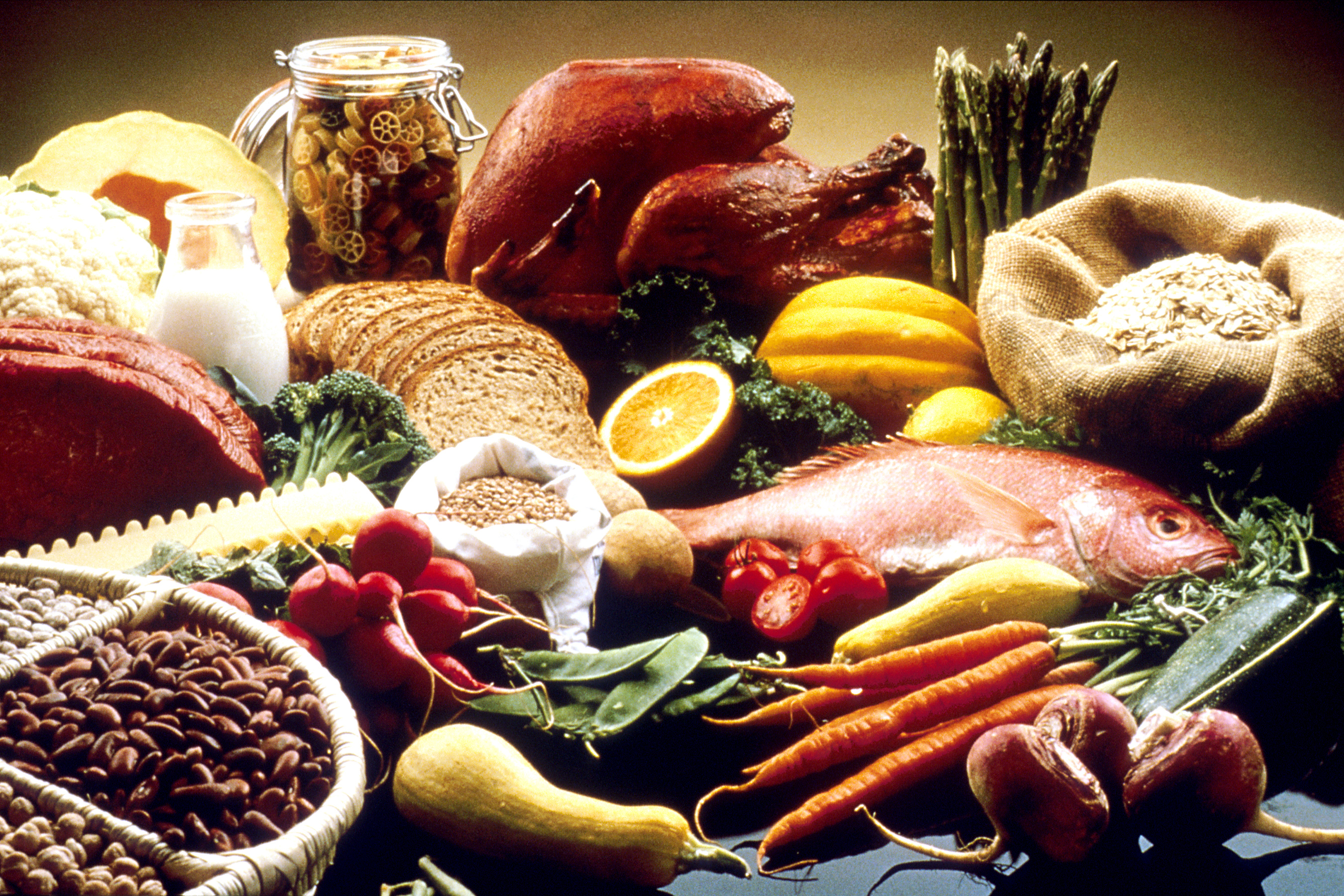
Carbohydrate-containing foods include:
Foods that contain little or no carbohydrate include most plain meats, poultry, fish, eggs, oils, butter, and many cheeses. Non-starchy vegetables contain smaller amounts of carbohydrate and are often encouraged because they provide fiber, vitamins, minerals, and fullness with fewer carbohydrates per serving.
Why carbohydrate counting is used
Carbohydrate counting is used because carbohydrates generally have the most direct effect on post-meal blood glucose. Protein and fat can also affect blood glucose, especially in large amounts or delayed patterns, but carbohydrates usually raise blood glucose more quickly.
Carbohydrate counting may help patients:
- Improve blood glucose control
- Reduce blood sugar spikes after meals
- Match mealtime insulin to food intake
- Plan consistent meals
- Understand portion sizes
- Reduce hypoglycemia risk from incorrect insulin dosing
- Improve confidence with meal planning
- Support weight management
- Identify high-carbohydrate foods and drinks
- Make better restaurant and grocery choices
The NIDDK explains that carb counting means planning and keeping track of the amount of carbohydrates eaten or drunk at each meal or snack, and that people taking insulin may use carb counting to know how much insulin to take.Healthy Living with Diabetes(link). National Institute of Diabetes and Digestive and Kidney Diseases.
Who may benefit
Carbohydrate counting may be useful for:
- People with type 1 diabetes
- People with type 2 diabetes
- People using mealtime insulin
- People using insulin pumps
- People using continuous glucose monitoring
- People with gestational diabetes
- People with prediabetes
- People with insulin resistance
- Patients working on weight management
- Patients using a structured diabetes meal plan
Not every person with diabetes needs advanced carbohydrate counting. Some patients may do well with simpler methods such as the diabetes plate method, consistent carbohydrate meals, reduced sugar intake, or low-glycemic meal planning.
Basic principles
The basic steps of carbohydrate counting include:
- Identify carbohydrate-containing foods.
- Measure or estimate the portion size.
- Find the grams of carbohydrate per serving.
- Add the carbohydrate grams for the entire meal.
- Monitor blood glucose before and after meals when recommended.
- Adjust mealtime insulin only according to a clinician-prescribed plan.
- Review patterns with a healthcare professional.
Carbohydrate choices
Many diabetes education programs use the concept of a carbohydrate choice. In the United States, 1 carbohydrate choice commonly equals about 15 grams of carbohydrate. The CDC lists 1 carbohydrate choice as 15 grams of carbohydrate for diabetes meal planning.Carb Choices(link). Centers for Disease Control and Prevention.May 15, 2024.
Examples of approximately 15 grams of carbohydrate may include:
| Food | Approximate serving | Carbohydrate estimate |
|---|---|---|
| Bread | 1 slice | About 15 grams |
| Cooked rice | 1/3 cup | About 15 grams |
| Cooked pasta | 1/3 cup | About 15 grams |
| Small apple | 1 small fruit | About 15 grams |
| Milk | 1 cup | About 12 grams |
| Cooked beans | 1/2 cup | About 15-20 grams |
| Potato | 1/2 medium | About 15 grams |
| Regular soda | 4 ounces | About 15 grams |
Actual carbohydrate amounts vary by brand, preparation, serving size, and recipe.
Reading food labels
Food labels are one of the most important tools for carbohydrate counting.
Important label items include:
- Serving size
- Servings per container
- Total carbohydrate
- Dietary fiber
- Total sugars
- Added sugars
- Sugar alcohols
- Calories
- Protein
- Sodium
For most carbohydrate counting, patients start with total carbohydrate, not just sugar. Total carbohydrate includes starch, sugar, and fiber. Some advanced insulin-dosing methods may adjust for fiber or sugar alcohols, but patients should do this only if taught by their diabetes care team.
Example of label calculation
If a food label says:
- Serving size: 1 cup
- Total carbohydrate: 30 grams
- Servings eaten: 2 cups
Then the total carbohydrate eaten is:
30 grams × 2 servings = 60 grams carbohydrate
If a patient uses an insulin-to-carbohydrate ratio, the insulin dose must be calculated according to the clinician-prescribed ratio and corrected for blood glucose only if instructed.
Insulin-to-carbohydrate ratio
An insulin-to-carbohydrate ratio is a personalized formula that tells how many grams of carbohydrate are covered by 1 unit of rapid-acting insulin. For example, a ratio of 1:10 means 1 unit of insulin covers about 10 grams of carbohydrate.
Example:
| Meal carbohydrate | Insulin-to-carbohydrate ratio | Estimated meal insulin |
|---|---|---|
| 45 grams | 1 unit per 15 grams | 3 units |
| 60 grams | 1 unit per 10 grams | 6 units |
| 75 grams | 1 unit per 15 grams | 5 units |
Safety note: Insulin ratios must be prescribed and adjusted by a qualified healthcare professional. Patients should not change insulin doses without medical guidance.
Basal and bolus insulin
Carbohydrate counting is most often linked to bolus or mealtime insulin. The ADA explains that bolus insulin is taken to cover rising blood glucose levels, usually from meals, while basal insulin works through the day and night to manage blood glucose.Insulin Basics(link). American Diabetes Association.
| Insulin type | Purpose | Relationship to carb counting |
|---|---|---|
| Basal insulin | Background insulin for fasting and between-meal glucose control | Usually not directly matched to carbohydrate grams |
| Bolus insulin | Mealtime or correction insulin | Often matched to carbohydrate grams and current blood glucose |
Blood glucose monitoring
Carbohydrate counting works best when paired with blood glucose monitoring or continuous glucose monitoring. Monitoring helps patients learn how different foods, portions, timing, exercise, stress, illness, sleep, and medications affect blood glucose.
The CDC states that monitoring blood sugar is one of the most important parts of diabetes management.Monitoring Your Blood Sugar(link). Centers for Disease Control and Prevention.May 15, 2024.
Monitoring tools include:
- Fingerstick glucose meter
- Continuous glucose monitor
- Insulin pump data
- Food log
- Activity log
- Medication log
- Sleep log
Carbohydrate counting and continuous glucose monitoring
Continuous glucose monitoring or CGM can help patients see glucose trends after meals. CGM can show whether a meal causes a rapid spike, delayed rise, or prolonged elevation.
CGM may help patients understand:
- Breakfast carbohydrate effects
- Late-night snacks
- High-fat meals
- Restaurant meals
- Exercise-related glucose changes
- Low blood sugar after insulin
- Glucose trends during sleep
- Effects of stress and illness
Foods that contain carbohydrates
| Food group | Examples | Notes |
|---|---|---|
| Grains | Bread, rice, pasta, cereal, tortillas, oats | Often high in carbohydrate; choose portions carefully |
| Starchy vegetables | Potato, corn, peas, winter squash | Higher carbohydrate than non-starchy vegetables |
| Fruit | Apples, bananas, berries, oranges, grapes | Contains natural sugar and fiber |
| Dairy | Milk, yogurt, kefir | Contains lactose; choose unsweetened options when possible |
| Legumes | Beans, lentils, chickpeas | Contain carbohydrate, protein, and fiber |
| Sweets | Candy, cookies, cake, desserts | Often high in added sugar and calories |
| Beverages | Juice, soda, sweet tea, sports drinks | Can raise blood glucose quickly |
Non-starchy vegetables
Non-starchy vegetables are usually lower in carbohydrate and higher in fiber. They are often encouraged in diabetes meal planning.
Examples include:
- Spinach
- Lettuce
- Broccoli
- Cauliflower
- Cabbage
- Zucchini
- Cucumber
- Mushrooms
- Peppers
- Green beans
- Asparagus
- Eggplant
- Kale
Quality of carbohydrates
Carbohydrate counting is not only about numbers. The quality of carbohydrates matters. A meal with 45 grams of carbohydrate from lentils, vegetables, and berries may affect satiety and glucose differently than 45 grams from soda and candy.
Higher-quality carbohydrate choices may include:
- Vegetables
- Beans and lentils
- Whole grains in controlled portions
- Whole fruit
- Unsweetened dairy
- High-fiber foods
- Minimally processed foods
Lower-quality carbohydrate choices to limit include:
- Sugary drinks
- Candy
- Desserts
- White bread
- Sweet cereals
- Pastries
- Juice
- Sweetened coffee drinks
- Highly processed snacks
Glycemic index and glycemic load
The glycemic index measures how quickly a carbohydrate-containing food raises blood glucose compared with a reference food. Glycemic load considers both the quality and quantity of carbohydrate.
Carbohydrate counting focuses on grams of carbohydrate, while glycemic index and glycemic load help explain why different carbohydrate foods may affect blood glucose differently.
Carbohydrate counting and weight management
Carbohydrate counting may support weight management by helping patients understand portions and reduce excess calories from refined carbohydrates and sugary drinks. However, carbohydrate counting is not the same as calorie counting. Some high-fat foods may be low in carbohydrates but high in calories.
For patients with obesity, diabetes, or insulin resistance, W8MD may combine carbohydrate awareness with:
Carbohydrate counting and low-carbohydrate diets
Some patients with type 2 diabetes, insulin resistance, or obesity may use a lower-carbohydrate meal plan. A lower-carbohydrate plan still requires attention to nutrition quality, protein, fiber, hydration, kidney function, medications, and hypoglycemia risk.
Low-carbohydrate approaches may include:
- Moderate carbohydrate reduction
- Low-carbohydrate diet
- Ketogenic diet
- Very low calorie diet
- Protein-first meals
- Non-starchy vegetables
- Meal replacements
Patients taking insulin or sulfonylureas should not sharply reduce carbohydrates without medical guidance because of hypoglycemia risk.
Carbohydrate counting and exercise
Physical activity affects blood glucose. Exercise may lower glucose during or after activity, but intense exercise may sometimes raise glucose temporarily. Carbohydrate intake and insulin may need adjustment around exercise.
Exercise planning should consider:
- Blood glucose before exercise
- Active insulin
- Exercise duration
- Exercise intensity
- Carbohydrate snacks
- Hydration
- Hypoglycemia treatment plan
- CGM trend arrows
- Medication timing
Hypoglycemia safety
People using insulin or some diabetes medications must know how to treat hypoglycemia.
Symptoms may include:
- Shaking
- Sweating
- Hunger
- Fast heartbeat
- Dizziness
- Confusion
- Weakness
- Irritability
- Headache
- Blurred vision
- Seizure in severe cases
Patients should follow their clinician’s hypoglycemia plan and keep fast-acting carbohydrate available.
Common mistakes
Common carbohydrate counting mistakes include:
- Counting sugar only instead of total carbohydrate
- Forgetting beverages
- Ignoring serving size
- Not measuring rice, pasta, or cereal
- Underestimating restaurant meals
- Forgetting sauces and condiments
- Overcorrecting with insulin
- Not considering exercise
- Not treating low blood sugar correctly
- Assuming low-carb foods are always low-calorie
- Not reviewing logs with a professional
A study of adults using insulin found carbohydrate counting accuracy was often imperfect, supporting the need for ongoing education and review."Accuracy of Carbohydrate Counting in Adults".Clinical Diabetes.2016;PMID:27574392.PMC:5019010.
How W8MD can help
W8MD Weight Loss, Sleep and MedSpa can help patients with diabetes, insulin resistance, obesity, prediabetes, and weight concerns understand carbohydrate intake as part of a larger medical and nutrition plan.
W8MD may help with:
- Nutrition counseling
- Carbohydrate education
- Meal planning
- Label reading
- Portion control
- Low-carbohydrate options
- Ketogenic diet support when appropriate
- Meal replacements
- Medical weight loss
- GLP-1 weight loss injections
- Prescription diet pills when appropriate
- Sleep apnea screening
- Exercise counseling
- Weight loss maintenance
- Coordination with diabetes clinicians when insulin adjustment is needed
Many patients with type 2 diabetes or prediabetes also struggle with obesity, insulin resistance, sleep apnea, and weight regain. W8MD can help by integrating carbohydrate awareness with a broader plan.
A W8MD plan may include:
| Need | W8MD support |
|---|---|
| High carbohydrate intake | Nutrition counseling, label reading, meal planning |
| Weight loss | Medical weight loss, meal replacements, GLP-1 options when appropriate |
| Insulin resistance | Low-carbohydrate or low-glycemic strategies, activity counseling |
| Poor sleep | Sleep apnea screening and home sleep testing |
| Weight regain | Follow-up, medication review, maintenance planning |
| Emotional eating | Behavior modification and structured meal planning |
Sample carbohydrate-counted day
This is an educational example only. Individual carbohydrate targets should be set by a healthcare professional.
| Meal | Example | Estimated carbohydrate |
|---|---|---|
| Breakfast | 2 eggs, spinach, 1 slice whole-grain toast, berries | About 30 grams |
| Snack | Greek yogurt, unsweetened, with a small portion of berries | About 15 grams |
| Lunch | Grilled chicken salad with 1/2 cup beans and low-sugar dressing | About 30 grams |
| Snack | Apple slices with peanut butter | About 15 grams |
| Dinner | Salmon, non-starchy vegetables, 1/2 cup cooked quinoa | About 30 grams |
| Total | Varies by portions and brands | About 120 grams |
When to seek professional help
Patients should seek medical or diabetes education support if they have:
- Frequent high blood glucose
- Frequent low blood glucose
- Unexplained glucose swings
- New insulin therapy
- Pregnancy or gestational diabetes
- Kidney disease
- Eating disorder symptoms
- Difficulty counting carbohydrates
- Confusion about insulin dosing
- Weight loss or weight gain concerns
- Use of GLP-1 medications with poor intake
- Recurrent nighttime hypoglycemia
Frequently asked questions
What is carbohydrate counting?
Carbohydrate counting is a diabetes meal-planning method that tracks grams of carbohydrate in meals, snacks, and drinks to help manage blood glucose.
Who should count carbohydrates?
Carb counting is especially useful for people who take mealtime insulin, but it may also help people with type 2 diabetes, prediabetes, insulin resistance, or weight concerns.
What is one carbohydrate choice?
In many U.S. diabetes education programs, 1 carbohydrate choice equals about 15 grams of carbohydrate.
Should I count sugar or total carbohydrate?
Most carbohydrate counting starts with total carbohydrate on the food label because total carbohydrate includes sugar, starch, and fiber.
Can carbohydrate counting help with weight loss?
It may help with portion awareness and reducing excess refined carbohydrates, but weight management also depends on total calories, protein, activity, sleep, medications, and follow-up.
Can I use carbohydrate counting with a low-carb diet?
Yes, but patients using insulin or medications that can cause hypoglycemia should reduce carbohydrates only with medical supervision.
Does W8MD provide carbohydrate counting education?
W8MD can help with nutrition counseling, carbohydrate education, meal planning, weight management, sleep apnea screening, and medical weight-loss support, while coordinating with diabetes specialists when insulin adjustment is needed.
Conclusion
Carbohydrate counting is a practical diabetes meal-planning method that helps patients understand how carbohydrate-containing foods affect blood glucose. It can be especially important for patients using mealtime insulin, because carbohydrate grams may be used to calculate insulin doses under medical supervision. Carbohydrate counting also helps with portion control, meal consistency, food label reading, and nutrition awareness. For patients with diabetes, prediabetes, insulin resistance, obesity, or weight concerns, W8MD Weight Loss, Sleep and MedSpa can help integrate carbohydrate education with nutrition counseling, medical weight loss, meal replacements, GLP-1 medications when appropriate, sleep apnea care, exercise counseling, and long-term follow-up.
See also
- Carbohydrate counting
- Diabetes diet
- Diabetes mellitus
- Type 1 diabetes
- Type 2 diabetes
- Prediabetes
- Insulin resistance
- Blood glucose
- Insulin
- Glycemic index
- Glycemic load
- Nutrition counseling
- Medical nutrition therapy
- Meal planning
- Low-carbohydrate diet
- Ketogenic diet
- Medical weight loss
- W8MD Weight Loss, Sleep and MedSpa
Relevant WikiMD links
- Carbohydrate counting on WikiMD
- Diabetes diet on WikiMD
- Diabetes mellitus on WikiMD
- Type 1 diabetes on WikiMD
- Type 2 diabetes on WikiMD
- Blood glucose on WikiMD
- Insulin on WikiMD
- Nutrition counseling on WikiMD
- Low-carbohydrate diet on WikiMD
- Medical weight loss on WikiMD
Further reading
- How to Count Carbs for Diabetes(link). American Diabetes Association.
- Meal Planning(link). American Diabetes Association.
- Carb Counting(link). Centers for Disease Control and Prevention.May 15, 2024.
- Carb Choices(link). Centers for Disease Control and Prevention.May 15, 2024.
- Monitoring Your Blood Sugar(link). Centers for Disease Control and Prevention.May 15, 2024.
- Healthy Living with Diabetes(link). National Institute of Diabetes and Digestive and Kidney Diseases.
- Insulin Basics(link). American Diabetes Association.
- "Accuracy of Carbohydrate Counting in Adults".Clinical Diabetes.2016;PMID:27574392.PMC:5019010.
External links
- American Diabetes Association - How to Count Carbs for Diabetes
- CDC - Carb Counting
- NIDDK - Healthy Living with Diabetes
- W8MD Weight Loss, Sleep and MedSpa Centers
- NYC medical weight loss
- Philadelphia medical weight loss
- Carbohydrate counting on WikiMD
- Nutrition counseling on WikiMD
- Medical weight loss on WikiMD
| W8MD Weight Loss, Sleep and MedSpa | ||||||||||
|---|---|---|---|---|---|---|---|---|---|---|
|