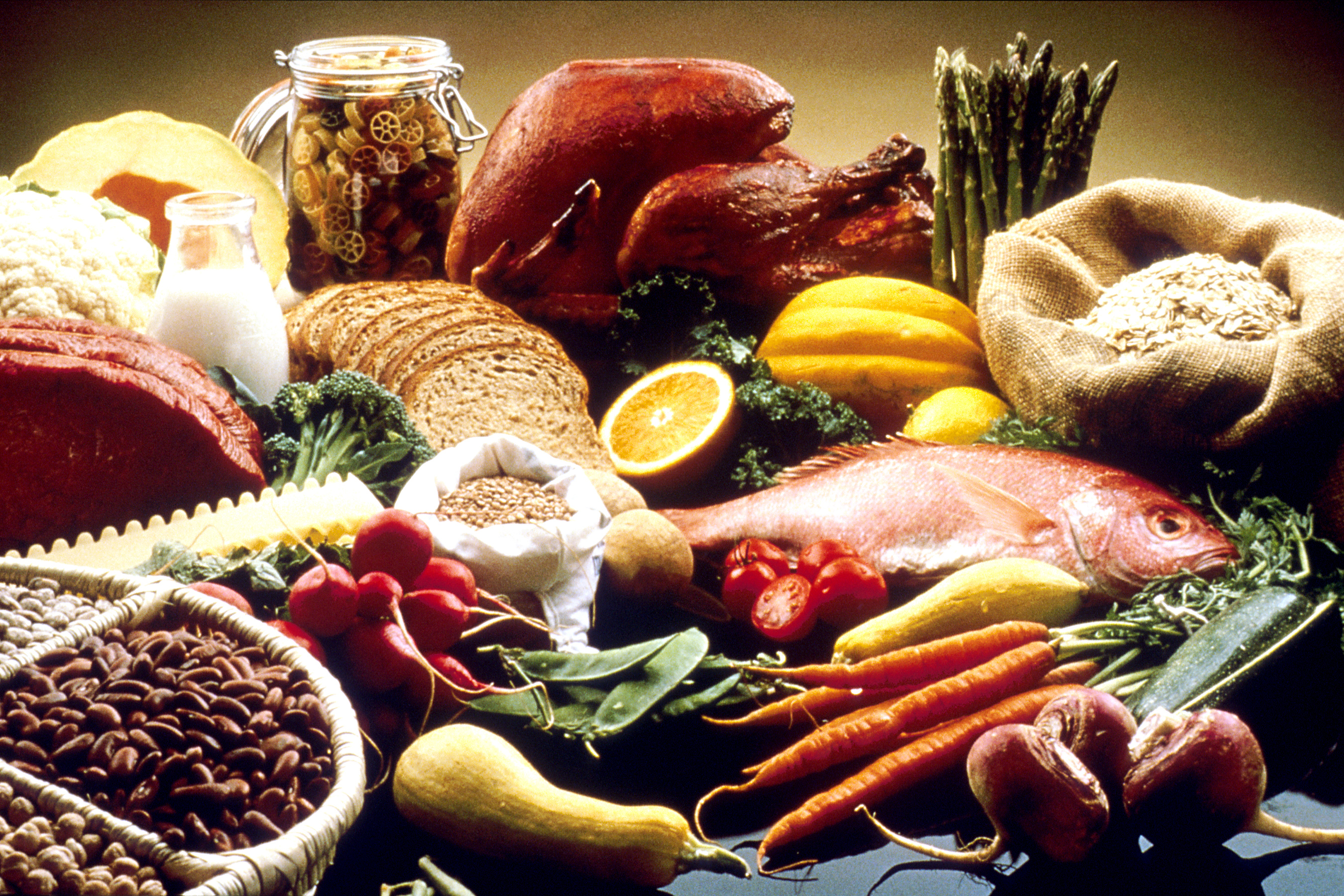
Dietary Guidelines for Americans
From W8MD weight loss and sleep centers
Evidence-based critique of the Dietary Guidelines for Americans and a lower-glycemic, balanced dietary pattern emphasizing whole foods, adequate protein, healthy fats, fiber, and metabolic health
Script error: No such module "Infobox".
Dietary Guidelines for Americans are national nutrition recommendations issued jointly by the United States Department of Agriculture and the United States Department of Health and Human Services. They are intended to guide federal nutrition programs, public health messaging, schools, military food programs, and healthcare education. The guidelines are updated approximately every five years.
The Dietary Guidelines have influenced American eating patterns for decades. Earlier public-facing tools, especially the retired Food Guide Pyramid, emphasized a large base of breads, cereals, rice, and pasta while recommending a low-fat eating pattern. Critics argue that this carbohydrate-centered, low-fat framing may have unintentionally encouraged high-glycemic-load diets, frequent starch intake, processed grain consumption, and reduced attention to satiety, insulin resistance, and metabolic health. This concern is especially relevant in the modern United States, where obesity, prediabetes, type 2 diabetes, metabolic syndrome, and insulin resistance are highly prevalent.
A balanced critique must also recognize that the Dietary Guidelines have long advised limiting added sugars, choosing nutrient-dense foods, eating vegetables and fruits, and replacing refined grains with whole grains. The problem was not simply “carbohydrates,” but rather the combination of excessive refined starches, added sugars, ultra-processed foods, low satiety, insufficient protein, fear of healthy fats, and inadequate personalization for people with insulin resistance or metabolic weight gain.
Current status
The 2025-2030 Dietary Guidelines for Americans were published in 2026 as the 10th edition, replacing the 2020-2025 edition and introducing a renewed emphasis on whole, nutrient-dense foods. The official Dietary Guidelines history page notes that the 2025-2030 edition was published in 2026 with a new visual icon.History of the Dietary Guidelines for Americans(link). DietaryGuidelines.gov.
The 2020-2025 Dietary Guidelines described a healthy dietary pattern as one that includes vegetables, fruits, grains, dairy, protein foods, and oils while limiting added sugars, saturated fat, sodium, and alcoholic beverages.Dietary Guidelines for Americans, 2020-2025(link). U.S. Department of Agriculture and U.S. Department of Health and Human Services.December 2020.
Historical background
The original U.S. Food Guide Pyramid was introduced in 1992, updated to MyPyramid in 2005, and replaced by MyPlate in 2011. The older pyramid placed breads, cereals, rice, and pasta at the broad base and visually suggested that these foods should form the largest part of the diet. MyPlate later replaced the pyramid with a plate icon emphasizing fruits, vegetables, grains, protein, and dairy.
Why the older Food Guide Pyramid was criticized
The retired Food Guide Pyramid has been criticized for several reasons:
- It visually emphasized grains and starches as the base of the diet.
- It did not clearly distinguish intact whole grains from refined grains.
- It placed fat near the top as something to minimize rather than distinguishing healthy fats from harmful fats.
- It did not adequately address glycemic load.
- It did not personalize advice for insulin resistance, diabetes risk, or metabolic syndrome.
- It did not sufficiently warn against ultra-processed foods.
- It may have encouraged low-fat processed foods high in starch or sugar.
- It underemphasized satiety, protein quality, and meal timing.
- It was difficult for the public to translate into metabolically healthy meals.
A careful evidence-based critique should avoid claiming that the Food Guide Pyramid alone caused the obesity or diabetes epidemic. Obesity and insulin resistance are multifactorial, involving ultra-processed foods, portion sizes, sugar-sweetened beverages, sedentary behavior, sleep loss, medications, stress, genetics, food marketing, and social determinants. However, it is reasonable to argue that carbohydrate-heavy, low-fat messaging may have been poorly suited for many people with insulin resistance and may have allowed refined starches and low-fat processed foods to appear healthier than they were.
Carbohydrate-centric guidance and glycemic load
The central issue is not whether all carbohydrates are harmful. Many carbohydrate-containing foods are nutrient-dense, including vegetables, legumes, berries, whole fruits, yogurt, and some intact whole grains. The problem is that many Americans consume carbohydrates primarily as refined flour, sugar, sweet drinks, cereals, chips, crackers, white rice, desserts, and ultra-processed snacks.
A high-glycemic-load pattern may contribute to:
- Higher post-meal glucose
- Higher insulin demand
- Hunger rebound
- Increased cravings
- Fat storage in susceptible individuals
- Higher triglycerides
- Lower HDL cholesterol
- Fatty liver risk
- Metabolic syndrome
- Type 2 diabetes risk
Low-glycemic-index and low-glycemic-load dietary patterns have been studied in randomized trials, especially in people with diabetes. A systematic review and meta-analysis of randomized controlled trials found that low-GI or low-GL dietary patterns produced small but clinically meaningful improvements in HbA1c and cardiometabolic risk factors in people with diabetes."Effect of low glycaemic index or load dietary patterns on glycaemic control and cardiometabolic risk factors in diabetes: systematic review and meta-analysis of randomised controlled trials".BMJ.2021;374
Low fat versus healthy fat
A major weakness of older nutrition messaging was the tendency to treat fat as a single category. Modern evidence supports distinguishing between different types of fat.
Healthier fat sources include:
- Extra-virgin olive oil
- Avocado
- Nuts
- Seeds
- Fatty fish
- Olives
- Nut butters without added sugar
- Measured portions of full-fat dairy in selected patients
- Eggs in appropriate portions
Less healthy fat sources include:
- Deep-fried foods
- Trans fats
- Highly processed snack foods
- Processed meats
- Excessive saturated fat
- Fast-food fats
- Refined carbohydrate-fat combinations such as pastries and chips
The PREDIMED randomized trial found that a Mediterranean diet supplemented with extra-virgin olive oil or nuts reduced major cardiovascular events compared with advice to follow a reduced-fat diet in high-risk adults."Primary Prevention of Cardiovascular Disease with a Mediterranean Diet Supplemented with Extra-Virgin Olive Oil or Nuts".New England Journal of Medicine.2018;378(25)
- e34.doi:10.1056/NEJMoa1800389.
The CORDIOPREV randomized trial found that in patients with established coronary heart disease, a Mediterranean diet was superior to a low-fat diet for preventing major cardiovascular events over long-term follow-up."Long-term secondary prevention of cardiovascular disease with a Mediterranean diet and a low-fat diet: a randomised controlled trial".Lancet.2022;399(10338)
- 1876-1885.doi:10.1016/S0140-6736(22)00122-2.PMID:35525255.
What randomized trials suggest
A modern evidence-based diet should not be built only on observational associations. Randomized trials provide stronger evidence for practical dietary patterns.
Important findings include:
| Trial or evidence source | Main finding | Practical implication |
|---|---|---|
| PREDIMED | Mediterranean diets supplemented with extra-virgin olive oil or nuts reduced major cardiovascular events compared with reduced-fat advice in high-risk adults | Healthy fats can be part of a heart-protective diet |
| CORDIOPREV | Mediterranean diet was superior to low-fat diet for secondary prevention of cardiovascular disease | Low-fat is not automatically superior for heart health |
| DIRECT trial | Mediterranean and low-carbohydrate diets were effective alternatives to low-fat diets for weight loss | Lower-carbohydrate and Mediterranean patterns can be valid options |
| DIETFITS | Healthy low-fat and healthy low-carbohydrate diets produced similar average 12-month weight loss, with large individual variation | Diet quality and adherence matter; personalization is essential |
| OmniHeart | Replacing some carbohydrate with protein or monounsaturated fat improved blood pressure and lipid risk factors compared with a higher-carbohydrate DASH-like diet | Moderately higher protein or unsaturated fat may improve cardiometabolic markers |
| Low-GI/GL randomized-trial meta-analysis in diabetes | Low-GI/GL patterns improved HbA1c and several cardiometabolic risk factors | Glycemic quality matters, especially for diabetes and insulin resistance |
The DIRECT randomized trial found that Mediterranean and low-carbohydrate diets were effective alternatives to low-fat diets for weight loss, with more favorable lipid effects in the low-carbohydrate group and better glycemic effects among participants with diabetes in the Mediterranean group."Weight Loss with a Low-Carbohydrate, Mediterranean, or Low-Fat Diet".New England Journal of Medicine.2008;359(3)
- 229-241.doi:10.1056/NEJMoa0708681.PMID:18635428.
The DIETFITS randomized clinical trial found no significant difference in 12-month weight change between healthy low-fat and healthy low-carbohydrate diets, emphasizing that both approaches can work when they reduce refined carbohydrates, added sugars, and highly processed foods."Effect of Low-Fat vs Low-Carbohydrate Diet on 12-Month Weight Loss in Overweight Adults and the Association With Genotype Pattern or Insulin Secretion".JAMA.2018;319(7)
- 667-679.doi:10.1001/jama.2018.0245.PMID:29466592.
The OmniHeart randomized feeding trial found that in the setting of a healthful diet, replacing some carbohydrate with either protein or monounsaturated fat further lowered blood pressure and improved lipid risk factors."Effects of protein, monounsaturated fat, and carbohydrate intake on blood pressure and serum lipids: results of the OmniHeart randomized trial".JAMA.2005;294(19)
- 2455-2464.doi:10.1001/jama.294.19.2455.PMID:16287956.
A fair critique of the Dietary Guidelines
The Dietary Guidelines have had strengths and weaknesses.
Strengths
- Encouraged vegetables and fruits
- Encouraged nutrient adequacy
- Discouraged added sugars
- Discouraged excess sodium
- Discouraged excess saturated fat
- Encouraged whole grains over refined grains
- Supported public nutrition programs
- Provided life-stage guidance
- Encouraged dietary pattern thinking rather than single nutrients
Weaknesses
- Older versions overemphasized low fat.
- The Food Guide Pyramid visually overemphasized grains.
- Refined grains were not always clearly separated from intact whole grains.
- Glycemic load received too little attention.
- Protein and satiety were underemphasized for weight management.
- Healthy fats were historically underappreciated.
- Advice was not sufficiently personalized for insulin resistance.
- Ultra-processed foods were not emphasized strongly enough in earlier versions.
- The public often translated “low fat” into high-starch, high-sugar packaged foods.
- Federal food programs may have moved slowly in adapting to metabolic-health evidence.
Principles of a better American dietary pattern
A modern evidence-based dietary pattern should be:
- Low in added sugar
- Low in refined starch
- Low in ultra-processed foods
- Lower in glycemic load
- Adequate in protein
- Moderate in healthy fats
- Rich in non-starchy vegetables
- Rich in fiber
- Adequate in micronutrients
- Flexible by culture and budget
- Designed for satiety
- Compatible with diabetes prevention
- Compatible with cardiovascular prevention
- Sustainable for long-term adherence
The balanced low-glycemic American diet
The balanced low-glycemic American diet is a proposed evidence-based alternative to carbohydrate-heavy, low-fat dietary messaging. It emphasizes whole foods, adequate protein, healthy fats, fiber, low-glycemic carbohydrates, and metabolic personalization.
A practical macronutrient range for many adults with overweight, obesity, insulin resistance, prediabetes, or metabolic syndrome may be:
| Nutrient | Suggested range | Notes |
|---|---|---|
| Protein | 25-35% of calories, individualized | Supports satiety and lean mass |
| Carbohydrate | 20-40% of calories, individualized | Choose low-glycemic, high-fiber carbohydrates; lower end for insulin resistance |
| Fat | 35-50% of calories, individualized | Emphasize unsaturated fats, omega-3 fats, nuts, seeds, avocado, and olive oil |
| Fiber | At least 25-40 grams per day when tolerated | From vegetables, legumes, berries, nuts, seeds, and selected whole grains |
| Added sugar | As low as practical | Avoid sweet drinks and desserts as routine foods |
This is not a one-size-fits-all prescription. Athletes, pregnant women, children, older adults, patients with kidney disease, people taking insulin or sulfonylureas, and patients with eating-disorder risk need individualized medical guidance.
Plate model
A low-glycemic balanced plate may include:
| Plate section | Food examples | Purpose |
|---|---|---|
| 1/2 plate non-starchy vegetables | Leafy greens, broccoli, cauliflower, peppers, zucchini, mushrooms, cabbage, asparagus | Fiber, micronutrients, fullness, low glycemic load |
| 1/4 plate protein | Fish, chicken, turkey, eggs, Greek yogurt, tofu, tempeh, legumes, lean meat | Satiety, muscle preservation, glucose stability |
| 1/4 plate low-glycemic carbohydrate or extra vegetables | Lentils, beans, berries, quinoa, steel-cut oats, intact whole grains, sweet potato in measured portions | Energy, fiber, micronutrients, lower glycemic load |
| Healthy fat | Olive oil, avocado, nuts, seeds, olives | Satiety, flavor, absorption of fat-soluble vitamins |
Foods to emphasize
- Non-starchy vegetables
- Leafy greens
- Cruciferous vegetables
- Fish and seafood
- Eggs
- Poultry
- Tofu and tempeh
- Greek yogurt without added sugar
- Beans and lentils in individualized portions
- Berries
- Avocado
- Extra-virgin olive oil
- Nuts and seeds
- Olives
- Fermented foods
- Herbs and spices
Foods to limit or avoid
- Sugar-sweetened beverages
- Fruit juice as a routine drink
- Candy
- Desserts
- Sweetened cereals
- White bread
- Refined pasta
- Chips and crackers
- Ultra-processed snack foods
- Fast food
- Processed meats
- Deep-fried foods
- Low-fat products with added sugar
- Large portions of rice, bread, pasta, or potatoes
- Alcohol excess
Carbohydrates: quality, quantity, and context
The debate should not be “carbs are good” versus “carbs are bad.” The useful question is: Which carbohydrate, how much, in what metabolic context, and paired with what protein, fiber, and fat?
Better carbohydrate choices include:
- Lentils
- Beans
- Chickpeas
- Steel-cut oats
- Quinoa
- Barley
- Berries
- Apples in whole form
- Plain yogurt
- Sweet potato in measured portions
- Intact whole grains in small portions
Poorer carbohydrate choices include:
- Soda
- Juice
- White bread
- White rice
- Sweet cereals
- Pastries
- Cookies
- Candy
- Chips
- Crackers
- Sugary coffee drinks
- Refined flour snacks
Protein and satiety
Adequate protein helps reduce hunger, preserve lean mass during weight loss, stabilize meals, and improve adherence. Protein should be distributed through the day rather than concentrated only at dinner.
Protein sources include:
- Fish
- Chicken
- Turkey
- Eggs
- Greek yogurt
- Cottage cheese
- Tofu
- Tempeh
- Lentils
- Beans
- Lean meats
- Protein-rich meal replacements when appropriate
Healthy fats
Moderately higher healthy-fat intake can improve satiety and make lower-glycemic eating sustainable. The key is choosing minimally processed fat sources rather than refined carbohydrate-fat combinations.
Preferred fats include:
- Extra-virgin olive oil
- Avocado
- Nuts
- Seeds
- Fatty fish
- Olives
- Nut butters without added sugar
A sample 7-day low-glycemic balanced meal plan
This sample plan is educational and should be personalized by a healthcare professional, especially for patients with diabetes, kidney disease, pregnancy, medication use, or eating-disorder risk.
Day 1
| Meal | Menu |
|---|---|
| Breakfast | Greek yogurt without added sugar, chia seeds, walnuts, and berries |
| Lunch | Grilled chicken salad with mixed greens, cucumber, peppers, avocado, olive-oil vinaigrette, and a small portion of lentils |
| Dinner | Salmon with roasted broccoli, cauliflower rice, and olive oil |
| Snack | Celery with almond butter or boiled egg |
Day 2
| Meal | Menu |
|---|---|
| Breakfast | Vegetable omelet with spinach, mushrooms, and feta |
| Lunch | Turkey lettuce wraps with avocado, tomato, cucumber, and side salad |
| Dinner | Turkey chili with beans in measured portions and extra vegetables |
| Snack | Cottage cheese or a small handful of nuts |
Day 3
| Meal | Menu |
|---|---|
| Breakfast | Protein shake or meal replacement with unsweetened almond milk and cinnamon |
| Lunch | Tuna or tofu salad bowl with greens, olives, vegetables, and olive oil |
| Dinner | Chicken stir-fry with broccoli, zucchini, mushrooms, cabbage, and cauliflower rice |
| Snack | Berries with plain Greek yogurt |
Day 4
| Meal | Menu |
|---|---|
| Breakfast | Steel-cut oats in a small portion with chia, nuts, and no added sugar |
| Lunch | Grilled shrimp salad with avocado, greens, peppers, and olive oil |
| Dinner | Lean beef or tempeh with roasted vegetables and side salad |
| Snack | Boiled egg or cucumber with hummus |
Day 5
| Meal | Menu |
|---|---|
| Breakfast | Eggs with avocado and sautéed spinach |
| Lunch | Low-carb Mediterranean bowl with chicken or tofu, cucumber, greens, olives, tzatziki, and a small portion of chickpeas |
| Dinner | Turkey burger without bun, salad, roasted Brussels sprouts, and olive oil |
| Snack | Nuts, seeds, or unsweetened yogurt |
Day 6
| Meal | Menu |
|---|---|
| Breakfast | Cottage cheese with berries, flaxseed, and walnuts |
| Lunch | Egg salad lettuce cups with cucumber, tomato, and side vegetables |
| Dinner | Baked cod with asparagus, mushrooms, and cauliflower mash |
| Snack | Protein shake or cheese stick with raw vegetables |
Day 7
| Meal | Menu |
|---|---|
| Breakfast | Tofu scramble or egg scramble with vegetables |
| Lunch | Grilled chicken, salmon, or tempeh over greens with avocado and olive-oil dressing |
| Dinner | Low-glycemic taco bowl with lettuce, lean protein, salsa, avocado, peppers, and cauliflower rice |
| Snack | Plain Greek yogurt, nuts, or celery with peanut butter |
Special populations
Prediabetes and insulin resistance
Patients with prediabetes or insulin resistance may benefit from lower-glycemic carbohydrate choices, reduced refined starches, adequate protein, healthy fats, physical activity, sleep optimization, and weight loss when appropriate.
Type 2 diabetes
Patients with type 2 diabetes may need individualized carbohydrate targets, glucose monitoring, medication adjustment, and careful hypoglycemia prevention. Patients using insulin or sulfonylureas should not sharply reduce carbohydrate intake without medical supervision.
Obesity and metabolic weight gain
For patients with obesity, the diet should be paired with calorie awareness, satiety, protein, sleep care, behavior support, and medical treatment when appropriate. GLP-1 weight loss injections, prescription diet pills, and meal replacements may be appropriate for selected patients.
Children and adolescents
Children should not be placed on restrictive diets without professional guidance. The focus should be family meals, vegetables, protein, water, reduced sugary drinks, and reduced ultra-processed foods.
Older adults
Older adults need adequate protein, resistance exercise, micronutrients, hydration, and fall-risk prevention. Overly restrictive diets may increase frailty risk.
How W8MD can help
W8MD Weight Loss, Sleep and MedSpa can help patients move beyond generic dietary advice toward a personalized, evidence-based plan for metabolic health. W8MD can help patients who struggle with obesity, insulin resistance, prediabetes, type 2 diabetes risk, sleep apnea, weight regain, hunger, cravings, and confusion about dietary guidelines.
W8MD may help with:
- Medical weight loss
- Nutrition counseling
- Low-glycemic diet
- Low-carbohydrate diet
- Ketogenic diet
- Very low calorie diet
- Meal replacements
- GLP-1 weight loss injections
- Semaglutide
- Tirzepatide
- Prescription diet pills
- Carbohydrate counting
- Exercise counseling
- Sleep apnea screening
- Home sleep test
- Weight loss maintenance
- Weight regain prevention
W8MD low-glycemic clinical framework
| Patient issue | Dietary strategy | W8MD support |
|---|---|---|
| Insulin resistance | Lower glycemic load, protein-first meals, reduced refined starches | Nutrition counseling, medication review, weight-loss plan |
| Obesity | Satiety-focused eating with protein, vegetables, healthy fats, and controlled carbohydrates | Medical weight loss, GLP-1 therapy when appropriate, follow-up |
| Prediabetes | Low-glycemic carbohydrate choices and weight reduction | Diabetes-risk counseling and structured meal planning |
| Type 2 diabetes | Individualized carbohydrate targets | Coordination with diabetes clinician when medication adjustment is needed |
| Hunger and cravings | Higher protein, higher fiber, healthy fats, lower sugar | GLP-1 options, diet pills when appropriate, meal replacements |
| Weight regain | Maintenance nutrition and early intervention | Regular follow-up, GLP-1 maintenance therapy, relapse prevention |
| Poor sleep | Reduced evening eating and sleep apnea evaluation | Home sleep testing and sleep medicine support |
Frequently asked questions
Were the old Food Guide Pyramid and low-fat advice wrong?
The old Food Guide Pyramid had major weaknesses, especially its visual emphasis on grains and its failure to clearly separate refined starches from intact whole foods. However, obesity and diabetes were caused by many factors, not one graphic alone.
Are all carbohydrates bad?
No. Non-starchy vegetables, legumes, berries, plain yogurt, and selected intact whole grains can be part of a healthy diet. The main problem is excessive refined starch, added sugar, and ultra-processed foods.
Is low fat the best diet for heart health?
Not necessarily. Randomized trials such as PREDIMED and CORDIOPREV support Mediterranean dietary patterns rich in healthy fats, especially olive oil and nuts, over reduced-fat advice in selected high-risk groups.
Is low carb always better than low fat?
No. DIETFITS found similar average weight loss with healthy low-fat and healthy low-carbohydrate diets. The key is diet quality, adherence, metabolic personalization, and reducing ultra-processed foods.
What is a low-glycemic balanced diet?
It is a diet emphasizing protein, vegetables, healthy fats, fiber, and controlled portions of low-glycemic carbohydrates while minimizing refined starches and added sugars.
Can W8MD help personalize this diet?
Yes. W8MD can help patients personalize low-glycemic nutrition for weight loss, insulin resistance, diabetes risk, GLP-1 therapy, sleep apnea, and long-term maintenance.
Conclusion
The Dietary Guidelines for Americans have shaped national nutrition policy for decades. Their strengths include promoting nutrient adequacy, vegetables, fruits, and reduced added sugar. Their weaknesses include the historical overemphasis on low-fat eating, inadequate attention to glycemic load, and a public-facing Food Guide Pyramid that made grain-based foods appear foundational. Randomized-trial evidence supports a more nuanced model: reduce ultra-processed foods, refined starches, and added sugars; emphasize protein, fiber, vegetables, low-glycemic carbohydrates, and healthy fats; and personalize the plan for insulin resistance, obesity, diabetes risk, cardiovascular risk, and long-term adherence. W8MD Weight Loss, Sleep and MedSpa can help patients translate this evidence into practical, individualized nutrition plans supported by medical weight loss, GLP-1 therapy when appropriate, sleep medicine, exercise counseling, and long-term follow-up.
See also
- Dietary Guidelines for Americans
- Food Guide Pyramid
- MyPlate
- Low-glycemic diet
- Low-carbohydrate diet
- Mediterranean diet
- Ketogenic diet
- Insulin resistance
- Metabolic syndrome
- Prediabetes
- Type 2 diabetes
- Obesity
- Medical weight loss
- Nutrition counseling
- Carbohydrate counting
- GLP-1 weight loss injections
- W8MD Weight Loss, Sleep and MedSpa
Relevant WikiMD links
- Dietary Guidelines for Americans on WikiMD
- Food Guide Pyramid on WikiMD
- Low-glycemic diet on WikiMD
- Low-carbohydrate diet on WikiMD
- Mediterranean diet on WikiMD
- Insulin resistance on WikiMD
- Metabolic syndrome on WikiMD
- Nutrition counseling on WikiMD
- Medical weight loss on WikiMD
- GLP-1 weight loss injections on WikiMD
Further reading
- History of the Dietary Guidelines for Americans(link). DietaryGuidelines.gov.
- Dietary Guidelines for Americans, 2020-2025(link). U.S. Department of Agriculture and U.S. Department of Health and Human Services.December 2020.
- "Primary Prevention of Cardiovascular Disease with a Mediterranean Diet Supplemented with Extra-Virgin Olive Oil or Nuts".New England Journal of Medicine.2018;378(25)
- e34.doi:10.1056/NEJMoa1800389.
- "Long-term secondary prevention of cardiovascular disease with a Mediterranean diet and a low-fat diet: a randomised controlled trial".Lancet.2022;399(10338)
- 1876-1885.doi:10.1016/S0140-6736(22)00122-2.PMID:35525255.
- "Weight Loss with a Low-Carbohydrate, Mediterranean, or Low-Fat Diet".New England Journal of Medicine.2008;359(3)
- 229-241.doi:10.1056/NEJMoa0708681.PMID:18635428.
- "Effect of Low-Fat vs Low-Carbohydrate Diet on 12-Month Weight Loss in Overweight Adults and the Association With Genotype Pattern or Insulin Secretion".JAMA.2018;319(7)
- 667-679.doi:10.1001/jama.2018.0245.PMID:29466592.
- "Effects of protein, monounsaturated fat, and carbohydrate intake on blood pressure and serum lipids: results of the OmniHeart randomized trial".JAMA.2005;294(19)
- 2455-2464.doi:10.1001/jama.294.19.2455.PMID:16287956.
- "Effect of low glycaemic index or load dietary patterns on glycaemic control and cardiometabolic risk factors in diabetes: systematic review and meta-analysis of randomised controlled trials".BMJ.2021;374
External links
- Dietary Guidelines for Americans
- MyPlate
- W8MD Weight Loss, Sleep and MedSpa Centers
- NYC medical weight loss
- Philadelphia medical weight loss
- Dietary Guidelines for Americans on WikiMD
- Low-glycemic diet on WikiMD
- Nutrition counseling on WikiMD
| W8MD Weight Loss, Sleep and MedSpa | ||||||||||
|---|---|---|---|---|---|---|---|---|---|---|
|