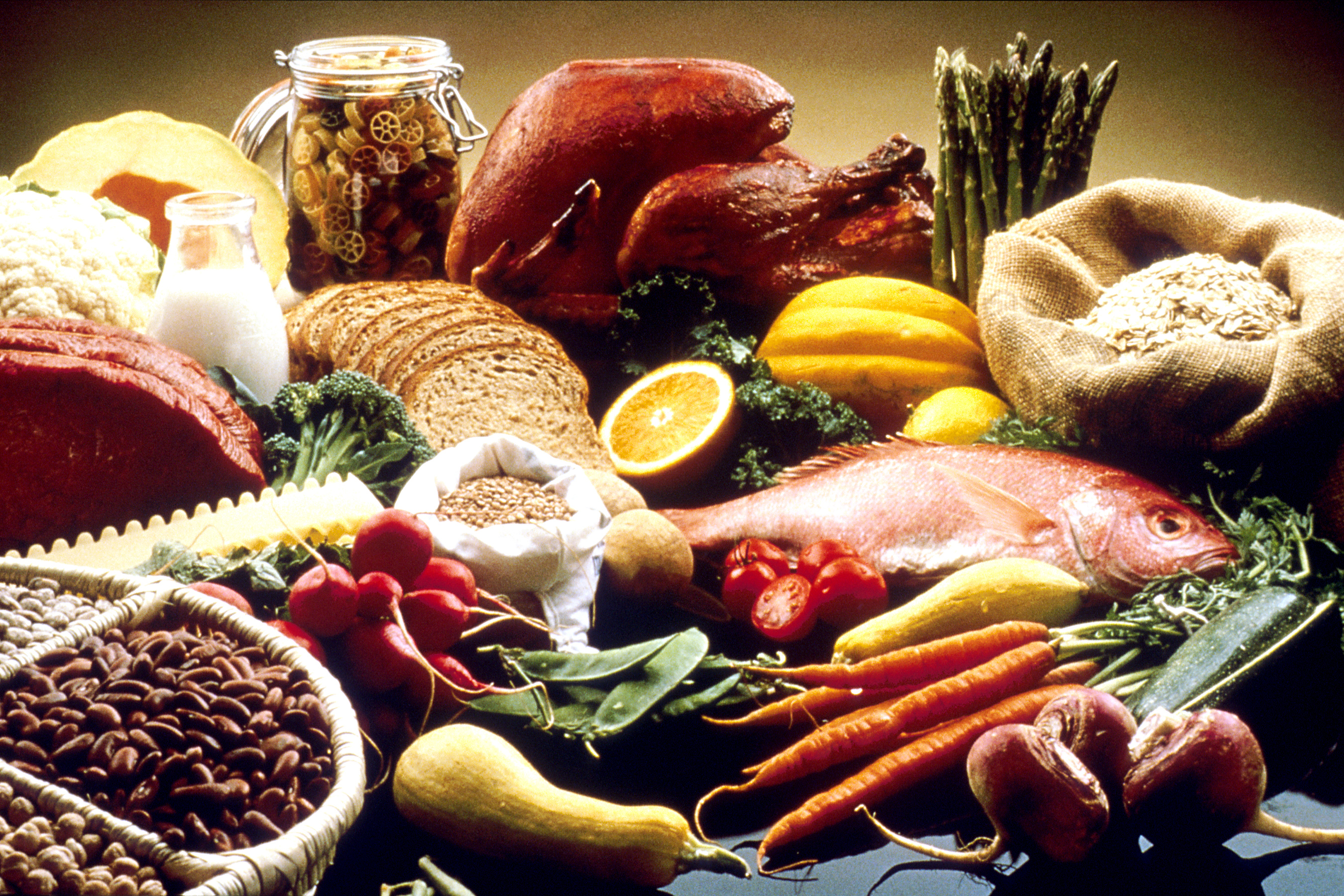
Healthy food choices

From W8MD weight loss and sleep centers

Healthy food choices for weight loss, metabolic health, insulin resistance, GLP-1 support, and W8MD medical weight loss

Healthy food choices
Confused.jpeg
Confused about choices? W8MD can help.
Type Healthy diet, medical nutrition therapy, weight loss diet, preventive nutrition


Purpose Weight loss, metabolic health, chronic disease prevention, improved energy, and long-term wellness
Foods emphasized Vegetables, fruits, protein, whole grains, legumes, nuts, seeds, healthy fats, meal replacements when appropriate
Foods excluded Not a strict exclusion diet; usually limits added sugars, refined carbohydrates, sugary drinks, trans fats, ultra-processed foods, and excess sodium
Macronutrient pattern Individualized based on weight, blood sugar, insulin resistance, activity, and medical conditions


Nutrients of concern Protein, fiber, vitamins, minerals, essential fats, and hydration
Potential benefits May support weight loss, blood sugar control, satiety, heart health, digestive health, and long-term weight maintenance
Medical use Obesity, prediabetes, type 2 diabetes, insulin resistance, metabolic syndrome, fatty liver disease, hypertension, sleep apnea
Related diets Nutrition, weight loss, medical weight loss, low-carbohydrate diet, ketogenic diet, W8MD Weight Loss, Sleep and MedSpa
Meal replacements may help selected W8MD patients with portion control, protein intake, and structured weight loss.
W8MD Weight Loss, Sleep and MedSpa helps patients personalize healthy food choices for weight loss, insulin resistance, sleep apnea, and long-term wellness.

Healthy food choices are the selection of nutrient-rich, wholesome foods that provide the body with essential protein, carbohydrates, fats, vitamins, minerals, fiber, and water needed for energy, growth, repair, immunity, metabolism, and long-term health. Healthy food choices are a foundation of weight loss, weight maintenance, medical weight loss, nutrition, and chronic disease prevention.

Making healthy food choices is important for reducing the risk of obesity, insulin resistance, prediabetes, type 2 diabetes, hypertension, heart disease, stroke, fatty liver disease, sleep apnea, and metabolic syndrome. A healthy eating pattern usually emphasizes vegetables, fruits in appropriate portions, adequate protein, high-fiber foods, healthy fats, and minimally processed ingredients while limiting added sugars, refined carbohydrates, sugary beverages, excess sodium, and ultra-processed foods.

The Dietary Guidelines for Americans define nutrient-dense foods and beverages as those that provide vitamins, minerals, and other health-promoting components with little added sugars, saturated fat, and sodium.Dietary Guidelines for Americans, 2020-2025(link). U.S. Department of Agriculture and U.S. Department of Health and Human Services. The Centers for Disease Control and Prevention recommends eating patterns that emphasize vegetables, fruits, protein foods, dairy without added sugars, healthy fats, and whole grains while being low in added sugars, sodium, saturated fats, trans fats, and cholesterol.Tips for Healthy Eating for a Healthy Weight(link). Centers for Disease Control and Prevention.

W8MD Weight Loss, Sleep and MedSpa can help patients make healthy food choices through physician-supervised medical weight loss, nutrition counseling, meal replacements, low-carbohydrate diet planning, ketogenic diet support when appropriate, GLP-1 weight loss nutrition guidance, sleep apnea screening, and long-term weight loss maintenance planning.

Overview

Healthy food choices are not about perfection, starvation, or temporary dieting. They are about choosing foods that help a person feel full, nourished, energetic, and metabolically healthier while supporting a sustainable body weight.

A practical healthy food plan should help with:

  • Hunger control
  • Satiety
  • Stable blood sugar
  • Reduced cravings
  • Better energy
  • Better digestion
  • Muscle preservation
  • Weight loss
  • Weight maintenance
  • Improved blood pressure
  • Improved triglycerides
  • Improved insulin sensitivity
  • Better sleep quality
  • Long-term wellness

Nutrient density

Nutrient density means choosing foods that provide a high amount of vitamins, minerals, fiber, protein, or other beneficial nutrients relative to their calorie content. Nutrient-dense foods are especially important for weight loss because they help the body get needed nutrients while reducing excess calories.

Examples of nutrient-dense foods include:

  • Leafy greens
  • Broccoli
  • Cauliflower
  • Peppers
  • Mushrooms
  • Berries
  • Eggs
  • Fish
  • Lean poultry
  • Beans and lentils
  • Greek yogurt
  • Tofu
  • Tempeh
  • Nuts in controlled portions
  • Seeds in controlled portions
  • Avocado in controlled portions

Less nutrient-dense foods often provide many calories with fewer nutrients. Examples include:

  • Sugary drinks
  • Candy
  • Cakes
  • Cookies
  • Pastries
  • Chips
  • Fried fast food
  • White bread
  • Sweetened cereal
  • Fruit juice
  • Sweet coffee drinks
  • Ultra-processed snack foods

Why healthy food choices matter

Healthy food choices influence body weight, hormones, appetite, blood sugar, cholesterol, blood pressure, sleep, inflammation, and energy. For patients with obesity or metabolic disease, food choices can either worsen or improve the underlying drivers of weight gain.

Healthy food choices may help reduce risk or improve control of:

Macronutrients

Protein

Protein is essential for muscle, enzymes, immune function, wound healing, and satiety. During weight loss, adequate protein helps preserve lean body mass and reduces hunger.

Healthy protein choices include:

  • Fish
  • Seafood
  • Eggs
  • Chicken
  • Turkey
  • Lean meat
  • Greek yogurt
  • Cottage cheese
  • Tofu
  • Tempeh
  • Beans and lentils in selected plans
  • Protein shakes when appropriate
  • Meal replacements when appropriate

The Centers for Disease Control and Prevention recommends prioritizing protein foods at meals and including a variety of protein foods such as meat, poultry, seafood, eggs, beans, peas, lentils, legumes, nuts, seeds, and soy.How to Have Healthier Meals and Snacks(link). Centers for Disease Control and Prevention.

Carbohydrates

Carbohydrates provide energy, but carbohydrate quality matters. High-fiber carbohydrates from vegetables, beans, lentils, berries, and intact whole foods affect the body differently from refined carbohydrates and added sugars.

Higher-quality carbohydrate choices include:

  • Non-starchy vegetables
  • Berries
  • Beans and lentils in selected plans
  • Plain yogurt
  • Whole fruit in controlled portions
  • High-fiber whole grains in selected plans

Carbohydrates to limit include:

  • Sugar
  • Soda
  • Sweet tea
  • Fruit juice
  • White bread
  • White rice in large portions
  • Refined pasta
  • Pastries
  • Candy
  • Sweetened cereals
  • Cookies
  • Cakes

For patients with insulin resistance, prediabetes, type 2 diabetes, PCOS, fatty liver disease, or high triglycerides, W8MD may recommend a lower-carbohydrate or low-glycemic plan.

Fats

Fat is necessary for hormones, cell membranes, brain health, and absorption of fat-soluble vitamins. However, fats are calorie-dense, so portions matter.

Healthier fat choices include:

  • Olive oil
  • Avocado
  • Nuts
  • Seeds
  • Fatty fish
  • Eggs
  • Natural fats in whole foods

Fats to limit include:

  • Trans fats
  • Partially hydrogenated oils
  • Deep-fried fast foods
  • Large portions of processed meats
  • Ultra-processed snack fats
  • High-fat foods combined with sugar and refined starch

Micronutrients

Vitamins and minerals are needed for metabolism, immunity, blood formation, nerve function, bone health, thyroid function, energy production, and many other body processes.

Important micronutrients include:

Fiber

Dietary fiber supports fullness, digestion, bowel regularity, cholesterol control, and blood sugar control.

Fiber-rich foods include:

  • Non-starchy vegetables
  • Berries
  • Chia seeds
  • Flaxseed
  • Nuts
  • Avocado
  • Beans and lentils in selected plans
  • Whole grains in selected plans

Healthy food choices for weight loss

For weight loss, healthy food choices should help create a calorie deficit without causing excessive hunger, weakness, cravings, or nutrient deficiency. The National Institute of Diabetes and Digestive and Kidney Diseases notes that a safe weight-loss program should include a healthy reduced-calorie eating plan, physical activity when appropriate, guidance and support, and a plan for keeping weight off.Choosing a Safe and Successful Weight-loss Program(link). National Institute of Diabetes and Digestive and Kidney Diseases.

Helpful principles include:

  • Eat protein at each meal
  • Choose non-starchy vegetables often
  • Reduce added sugars
  • Reduce refined carbohydrates
  • Avoid sugary drinks
  • Use healthy fats in controlled portions
  • Choose high-fiber foods
  • Plan meals ahead
  • Avoid frequent grazing
  • Eat slowly
  • Use meal replacements when medically appropriate
  • Drink water instead of sweet beverages

Healthy plate method

A simple healthy plate can be organized as follows:

Plate section Food choices Purpose
Half plate Non-starchy vegetables such as greens, broccoli, cauliflower, cucumber, cabbage, mushrooms, peppers, zucchini Fiber, volume, fullness, vitamins, minerals
One quarter plate Protein such as fish, chicken, eggs, tofu, Greek yogurt, beans, lentils, or meal replacement Satiety, muscle preservation, blood sugar stability
One quarter plate High-fiber carbohydrate such as berries, beans, lentils, quinoa, oats, or smaller portions of whole grains when appropriate Energy and fiber, individualized by metabolic health
Small portion Healthy fat such as olive oil, avocado, nuts, seeds, or fatty fish Satiety and nutrient absorption

For patients with insulin resistance, prediabetes, type 2 diabetes, PCOS, or fatty liver disease, W8MD may reduce the carbohydrate portion and increase non-starchy vegetables and protein.

Healthy food choices and insulin resistance

Insulin resistance is a common reason people struggle with weight gain, cravings, abdominal fat, prediabetes, PCOS, fatty liver disease, and high triglycerides. Healthy food choices can reduce insulin demand and improve blood sugar stability.

Helpful choices include:

  • Protein-first meals
  • Non-starchy vegetables
  • Reduced added sugar
  • Reduced refined flour
  • Reduced sweet drinks
  • Lower-glycemic carbohydrates
  • Adequate fiber
  • Controlled portions of healthy fats
  • Less frequent snacking
  • Lower-carbohydrate plans when appropriate

Healthy food choices and GLP-1 medications

Patients taking GLP-1 weight loss medications such as semaglutide, Wegovy, tirzepatide, Zepbound, Mounjaro, or related medications may eat less because appetite is reduced. This can support weight loss but can also increase the risk of inadequate protein, dehydration, constipation, and muscle loss if nutrition is not planned.

W8MD may advise GLP-1 patients to focus on:

  • Protein-first meals
  • Smaller meals
  • Adequate hydration
  • Fiber as tolerated
  • Avoiding greasy meals if nausea occurs
  • Avoiding overeating despite fullness
  • Resistance training
  • Electrolytes when appropriate
  • Monitoring constipation
  • Long-term maintenance planning

Healthy food choices and sleep

Food choices can affect sleep, and sleep problems can affect food choices. Poor sleep may increase hunger, cravings, late-night eating, and insulin resistance. Patients with obesity, snoring, daytime fatigue, or resistant weight loss should be evaluated for sleep apnea when appropriate.

W8MD can help patients connect nutrition, sleep, and weight loss by evaluating:

  • Snoring
  • Daytime sleepiness
  • Morning headaches
  • Nighttime awakenings
  • Sleep apnea risk
  • Late-night eating
  • Caffeine timing
  • Alcohol intake
  • Weight-related sleep problems

Foods to emphasize

A healthy food plan should emphasize foods that are nutrient-dense, filling, and practical.

  • Non-starchy vegetables
  • Lean proteins
  • Fish and seafood
  • Eggs
  • Beans and lentils in selected plans
  • Low-sugar dairy
  • Tofu and tempeh
  • Nuts and seeds in controlled portions
  • Avocado
  • Olive oil
  • Berries in controlled portions
  • Water
  • Unsweetened tea

Foods to limit

Foods to limit include those that are high in added sugar, refined starch, sodium, unhealthy fats, or calories with little satiety.

  • Sugary drinks
  • Fruit juice
  • Candy
  • Cakes
  • Cookies
  • Pastries
  • Sweetened cereal
  • White bread
  • Large portions of white rice
  • Refined pasta
  • Chips
  • Crackers
  • Fried fast food
  • Processed meats
  • High-sodium packaged foods
  • Alcohol

The Dietary Guidelines recommend limiting foods and beverages higher in added sugars, saturated fat, and sodium, and limiting alcoholic beverages."Dietary Guidelines for Americans, 2020–2025".Nutrition Today.2021;PMC:8713704.

Healthy food swaps

Instead of Choose Why
Soda Water, sparkling water, unsweetened tea Reduces sugar and liquid calories
Sweetened cereal Eggs, Greek yogurt, tofu scramble, or protein shake More protein and better satiety
White rice Cauliflower rice or smaller portion of high-fiber carbohydrate Lower glucose load
Chips Cucumber, celery, nuts in controlled portions, cheese stick More nutrients and less refined starch
Candy Berries in controlled portions or protein-based snack Less sugar and better fullness
Fried fast food Grilled protein with vegetables Fewer ultra-processed calories
Sweetened yogurt Plain Greek yogurt with berries More protein and less added sugar

Reading food labels

Food labels can help identify hidden sugars, starches, unhealthy fats, and excess sodium.

Important label items include:

  • Serving size
  • Calories
  • Protein
  • Total carbohydrates
  • Fiber
  • Added sugars
  • Saturated fat
  • Trans fat
  • Sodium
  • Ingredient list

Common sugar names include:

  • Sugar
  • Cane sugar
  • Brown sugar
  • Corn syrup
  • High-fructose corn syrup
  • Dextrose
  • Fructose
  • Glucose
  • Maltose
  • Sucrose
  • Fruit juice concentrate
  • Honey
  • Molasses
  • Agave

Portion size

Even healthy foods can contribute to weight gain if portions are too large. Portion awareness is especially important for calorie-dense foods such as nuts, seeds, oils, cheese, avocado, and nut butters.

Helpful portion strategies include:

  • Use smaller plates
  • Measure calorie-dense foods
  • Pre-portion snacks
  • Eat slowly
  • Avoid eating from large containers
  • Start meals with protein and vegetables
  • Avoid distracted eating
  • Track intake temporarily if needed

Sample healthy meals

Breakfast

  • Eggs with spinach and avocado
  • Greek yogurt with chia seeds and berries
  • Protein shake with unsweetened almond milk
  • Cottage cheese with cucumber and pepper
  • Tofu scramble with vegetables
  • Omelet with mushrooms and peppers

Lunch

  • Grilled chicken salad with olive oil dressing
  • Salmon with vegetables
  • Turkey lettuce wraps
  • Tuna salad over greens
  • Tofu salad bowl with greens and avocado
  • Low-carb soup with protein and vegetables
  • Meal replacement shake with added fiber when appropriate

Dinner

  • Baked fish with broccoli and cauliflower
  • Chicken with cabbage and salad
  • Turkey meatballs with zucchini noodles
  • Beef stir-fry with non-starchy vegetables
  • Tofu curry with cauliflower rice
  • Shrimp with spinach and avocado salad

Snacks

  • Boiled eggs
  • Cheese stick
  • Greek yogurt
  • Nuts in controlled portions
  • Cucumber with hummus in selected plans
  • Celery with cream cheese
  • Protein shake
  • Turkey roll-ups
  • Edamame

Healthy shopping list

Proteins

  • Eggs
  • Fish
  • Chicken
  • Turkey
  • Lean beef
  • Greek yogurt
  • Cottage cheese
  • Tofu
  • Tempeh
  • Protein shakes
  • Meal replacements

Vegetables

  • Spinach
  • Lettuce
  • Broccoli
  • Cauliflower
  • Cabbage
  • Zucchini
  • Cucumbers
  • Green beans
  • Mushrooms
  • Peppers

Healthy fats

  • Olive oil
  • Avocado
  • Nuts
  • Seeds
  • Fatty fish
  • Nut butters without added sugar

Drinks

  • Water
  • Sparkling water
  • Unsweetened tea
  • Unsweetened coffee
  • Sugar-free electrolyte drink when appropriate

Common mistakes

  • Drinking calories from soda, juice, or sweet coffee
  • Eating low-fat foods that are high in sugar
  • Skipping protein
  • Eating too many refined carbohydrates
  • Eating too little fiber
  • Using large portions of nuts, cheese, or oils
  • Assuming all “natural” foods are low calorie
  • Eating while distracted
  • Not planning meals
  • Ignoring sleep problems
  • Not treating insulin resistance
  • Stopping structure after losing weight

How W8MD can help

W8MD Weight Loss, Sleep and MedSpa can help patients make healthy food choices that support weight loss, metabolic health, sleep, and long-term maintenance.

W8MD may help with:

W8MD approach to healthy eating

The W8MD approach focuses on realistic, sustainable healthy eating rather than temporary dieting. A W8MD plan may include:

  • Reducing added sugars
  • Reducing refined carbohydrates
  • Increasing protein
  • Increasing non-starchy vegetables
  • Choosing healthy fats
  • Using meal replacements when appropriate
  • Treating insulin resistance
  • Screening for sleep apnea
  • Supporting GLP-1 medication use when appropriate
  • Preventing weight regain

Frequently asked questions

What are healthy food choices?

Healthy food choices are foods and eating patterns that provide nutrients, support energy, improve satiety, and reduce the risk of obesity-related chronic diseases.

What foods are best for weight loss?

Protein foods, non-starchy vegetables, high-fiber foods, healthy fats in controlled portions, and low-sugar beverages are useful for weight loss.

Are carbohydrates bad?

No. Carbohydrates vary in quality. Non-starchy vegetables and high-fiber foods can be healthy. Refined carbohydrates and added sugars are the main concern, especially for insulin resistance.

Are fats bad?

No. Healthy fats from olive oil, avocado, nuts, seeds, eggs, and fish can be part of a healthy plan. Trans fats and ultra-processed fried foods should be avoided.

What should people with insulin resistance eat?

Many patients with insulin resistance benefit from protein-first meals, non-starchy vegetables, reduced sugar, reduced refined carbohydrates, healthy fats, and low-glycemic foods.

Can healthy food choices help sleep apnea?

Healthy food choices may help sleep apnea indirectly by supporting weight loss and reducing insulin resistance. Patients with snoring, daytime sleepiness, or suspected sleep apnea should be medically evaluated.

Can W8MD help with healthy eating?

Yes. W8MD can help patients develop personalized healthy food plans for weight loss, insulin resistance, prediabetes, type 2 diabetes risk, fatty liver disease, PCOS, and sleep apnea.

Do GLP-1 medications replace healthy food choices?

No. GLP-1 medications can reduce appetite, but healthy food choices are still needed for protein, hydration, muscle preservation, metabolic health, and long-term maintenance.

When to call a doctor

Seek medical evaluation if you have:

  • BMI of 30 or higher
  • BMI of 27 or higher with medical problems
  • Prediabetes
  • Type 2 diabetes
  • High blood pressure
  • High triglycerides
  • Fatty liver disease
  • PCOS
  • Sleep apnea symptoms
  • Rapid weight gain
  • Sugar cravings
  • Binge eating symptoms
  • Repeated weight regain
  • Lightheadedness while dieting
  • Unexplained weight loss

Conclusion

Healthy food choices are a foundation of weight loss, metabolic health, chronic disease prevention, and long-term wellness. The best plan is not a short-term diet but a sustainable eating pattern that provides adequate protein, fiber, healthy fats, vitamins, minerals, and hydration while reducing added sugars, refined carbohydrates, sugary drinks, excess sodium, and ultra-processed foods. W8MD Weight Loss, Sleep and MedSpa can help patients personalize healthy food choices through physician-supervised medical weight loss, nutrition planning, meal replacements, GLP-1 support when appropriate, sleep apnea care, and long-term maintenance.

See also

Further reading

  • Tips for Healthy Eating for a Healthy Weight(link). Centers for Disease Control and Prevention.
  • Healthy Eating Tips(link). Centers for Disease Control and Prevention.
  • How to Have Healthier Meals and Snacks(link). Centers for Disease Control and Prevention.
  • Dietary Guidelines for Americans, 2020-2025(link). U.S. Department of Agriculture and U.S. Department of Health and Human Services.
  • "Dietary Guidelines for Americans, 2020–2025".Nutrition Today.2021;PMC:8713704.
  • American Heart Association Diet and Lifestyle Recommendations(link). American Heart Association.
  • Choosing a Safe and Successful Weight-loss Program(link). National Institute of Diabetes and Digestive and Kidney Diseases.

External links