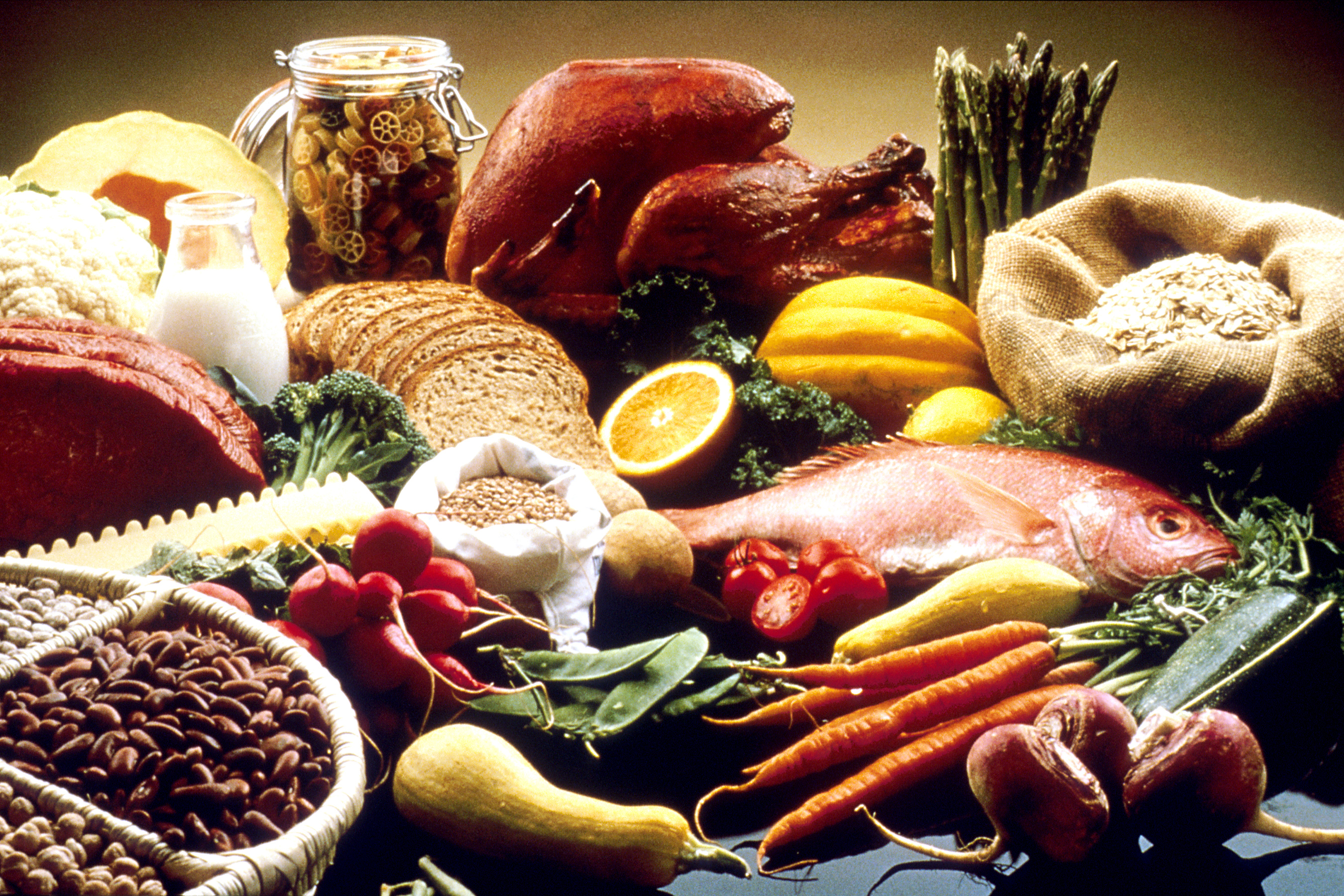
Low-fat diet
From W8MD weight loss and sleep centers
Low-fat diet, evidence-based critique, comparison with low-carbohydrate and ketogenic diets, and W8MD medical weight-loss support
Low-fat diet is a dietary pattern that reduces total fat intake, usually by limiting oils, butter, high-fat dairy, fatty meats, nuts, seeds, fried foods, and other fat-rich foods. Low-fat diets became widely promoted in the late 20th century for weight loss, heart disease prevention, and public health nutrition. Many older public-health messages treated dietary fat as the main nutritional problem and encouraged people to eat more carbohydrate-rich foods, including grains and starches.
Modern evidence has challenged the idea that low-fat diets are the best default approach for weight loss or metabolic health. A low-fat diet can produce weight loss if it reduces total calorie intake and emphasizes whole foods, but it is not automatically superior to other dietary patterns. For many patients with obesity, insulin resistance, prediabetes, type 2 diabetes, high triglycerides, fatty liver, food cravings, or metabolic weight gain, a low-carbohydrate diet, ketogenic diet, low-glycemic diet, or Mediterranean-style lower-glycemic pattern may be more effective, more satisfying, and more metabolically appropriate.
A careful evidence-based conclusion is that a high-quality low-fat diet can work for some people, but carbohydrate-restricted and low-glycemic diets often outperform or match low-fat diets for weight loss, triglycerides, HDL cholesterol, glycemic control, appetite control, and diabetes-related outcomes. The strongest practical message is not simply “eat more fat,” but rather: reduce refined carbohydrates, added sugars, high-glycemic starches, and ultra-processed foods; eat adequate protein; choose non-starchy vegetables and fiber-rich foods; and include healthy fats in a personalized plan.
W8MD Weight Loss, Sleep and MedSpa helps patients move beyond outdated one-size-fits-all low-fat dieting by offering physician-supervised medical weight loss, nutrition counseling, low-carbohydrate diet, ketogenic diet, W8MD weight loss diet, meal replacements, GLP-1 weight loss injections, prescription diet pills, exercise counseling, sleep apnea care, and long-term weight loss maintenance.
Overview
A low-fat diet is usually defined as a diet in which fat provides less than about 30% of total calories. Very low-fat diets may provide less than 10% to 15% of calories from fat. In traditional low-fat advice, patients were often told to avoid fatty foods and replace them with grains, cereals, pasta, rice, breads, fruit, and low-fat packaged foods.
Low-fat diets may vary widely:
- Whole-food low-fat diet
- Very low-fat plant-based diet
- Low-fat calorie-restricted diet
- Low-fat high-carbohydrate diet
- Low-fat high-fiber diet
- Low-fat processed-food diet
- Low-fat diet for gallbladder or pancreatic disease
- Low-fat diet for certain lipid disorders
The health effect depends strongly on food quality. A low-fat diet based on vegetables, legumes, intact whole grains, fruit, and lean protein is very different from a low-fat diet based on cereal, white bread, pasta, rice cakes, pretzels, low-fat cookies, sugary yogurt, and sweetened beverages.
Historical background
For decades, many public-health messages in the United States emphasized lowering fat intake, especially saturated fat, to reduce cardiovascular disease risk. This message was simplified for the public into “eat low fat.” Unfortunately, many people and food manufacturers translated “low fat” into high-carbohydrate, low-satiety, high-glycemic, processed foods.
Examples of low-fat processed foods include:
- Low-fat cookies
- Low-fat muffins
- Sweetened low-fat yogurt
- Breakfast cereals
- White bread
- Pretzels
- Rice cakes
- Pasta-heavy meals
- Fruit juice
- Sweetened beverages
- Fat-free desserts
The older Food Guide Pyramid visually placed breads, cereals, rice, and pasta at the broad base of the pyramid. Critics argue that this carbohydrate-centered framing, combined with fear of dietary fat, may have contributed to high-glycemic-load eating patterns, increased hunger, higher insulin demand, and poor metabolic outcomes in susceptible people.
What low-fat diets get right
A fair critique should acknowledge that low-fat diets are not always harmful. A high-quality low-fat diet may help some patients when it:
- Reduces total calorie intake
- Limits fried foods
- Limits processed meats
- Reduces trans fats
- Reduces excess saturated fat
- Increases vegetables
- Increases legumes
- Increases fiber
- Limits ultra-processed foods
- Helps patients with gallbladder or pancreatic conditions
- Fits patient preference and adherence
Some patients lose weight on low-fat diets because fat is calorie-dense and reducing fat may reduce total calories. However, if fat is replaced by refined starches and sugar, the metabolic benefit may be reduced or reversed.
Major problems with low-fat dieting
The major problem is not reducing unhealthy fats. The problem is replacing fat with high-glycemic carbohydrates and ultra-processed foods.
Potential problems include:
- Increased refined carbohydrate intake
- Increased glycemic load
- Higher post-meal glucose
- Higher insulin demand
- More hunger and cravings
- Lower satiety
- Reduced HDL cholesterol in some patients
- Higher triglycerides in some patients
- Poor adherence because meals may not be satisfying
- Loss of healthy fats such as olive oil, nuts, avocado, and fatty fish
- Confusion between low-fat whole foods and low-fat processed foods
Observational nutrition bias
Many older nutrition conclusions came from observational studies. Observational studies can identify associations but cannot reliably prove causation because of confounding factors.
For example, people who reported eating less fat in older studies may also have:
- Exercised more
- Smoked less
- Had higher income
- Had better healthcare access
- Ate more vegetables
- Followed medical advice more closely
- Had lower alcohol intake
- Used fewer ultra-processed foods
- Had different body weight or disease risk at baseline
Randomized controlled trials are usually more useful for comparing diets because participants are assigned to interventions. However, nutrition trials also have limitations, including adherence problems, self-reporting, dropout, food quality differences, and short follow-up.
Evidence from randomized trials
A modern evaluation of low-fat diets should focus on randomized trials and meta-analyses rather than older assumptions.
| Evidence source | Main finding | Practical interpretation |
|---|---|---|
| DIRECT trial | Mediterranean and low-carbohydrate diets were effective alternatives to low-fat diets for weight loss; low-carbohydrate improved lipid measures, and Mediterranean had favorable glycemic effects in diabetes | Low-fat is not the only valid weight-loss diet; low-carb and Mediterranean patterns may be preferable for metabolic risk |
| DIETFITS trial | Healthy low-fat and healthy low-carbohydrate diets produced similar average 12-month weight loss, with large individual variation | Diet quality and adherence matter; low-carb is at least comparable and may work better for some individuals |
| OmniHeart trial | Replacing some carbohydrate with protein or monounsaturated fat improved blood pressure and lipid risk factors compared with a higher-carbohydrate diet | Moderately higher protein or healthy fat may improve cardiometabolic markers |
| Low-GI/GL randomized-trial meta-analysis in diabetes | Low-glycemic-index or low-glycemic-load diets improved HbA1c and cardiometabolic risk factors | Glycemic quality matters, especially for diabetes and insulin resistance |
| Low-carb versus low-fat meta-analyses | Low-carbohydrate diets are at least as effective and often superior for triglycerides, HDL, short-term weight loss, and glycemic control | Low-carb diets are especially relevant for metabolic syndrome and type 2 diabetes |
The DIRECT randomized trial found that Mediterranean and low-carbohydrate diets were effective alternatives to low-fat diets for weight loss, with more favorable lipid changes in the low-carbohydrate group and favorable glycemic changes among participants with diabetes in the Mediterranean group."Weight Loss with a Low-Carbohydrate, Mediterranean, or Low-Fat Diet".New England Journal of Medicine.2008;359(3)
- 229-241.doi:10.1056/NEJMoa0708681.PMID:18635428.
The DIETFITS randomized clinical trial found no significant average difference in 12-month weight loss between healthy low-fat and healthy low-carbohydrate diets, but both diets emphasized high-quality foods and reduced sugar, refined grains, and processed foods."Effect of Low-Fat vs Low-Carbohydrate Diet on 12-Month Weight Loss in Overweight Adults and the Association With Genotype Pattern or Insulin Secretion".JAMA.2018;319(7)
- 667-679.doi:10.1001/jama.2018.0245.PMID:29466592.
The OmniHeart randomized feeding trial found that replacing some carbohydrate with protein or monounsaturated fat improved blood pressure and lipid risk factors compared with a higher-carbohydrate diet."Effects of protein, monounsaturated fat, and carbohydrate intake on blood pressure and serum lipids: results of the OmniHeart randomized trial".JAMA.2005;294(19)
- 2455-2464.doi:10.1001/jama.294.19.2455.PMID:16287956.
A 2021 BMJ systematic review and meta-analysis of randomized trials found that low-glycemic-index or low-glycemic-load dietary patterns improved HbA1c and several cardiometabolic risk factors in people with diabetes."Effect of low glycaemic index or load dietary patterns on glycaemic control and cardiometabolic risk factors in diabetes: systematic review and meta-analysis of randomised controlled trials".BMJ.2021;374
A 2022 meta-analysis comparing low-carbohydrate diets with low-fat diets reported that low-carbohydrate diets were more beneficial for weight loss and some metabolic risk factors, although effects varied by duration, carbohydrate level, and population."Effects of low-carbohydrate diets versus low-fat diets on metabolic risk factors and weight loss: a meta-analysis".Frontiers in Nutrition.2022;PMC:9397119.
Boston Children's Hospital low-carb diet research
Boston Children's Hospital highlighted research suggesting that low-carbohydrate diets may outperform low-fat diets for cardiometabolic risk factors in rigorous clinical-trial settings. The article emphasized that low-carb diets can reduce metabolic risk factors better than low-fat diets in certain populations and that carbohydrate quality and insulin biology matter.In matchup, low-carb diets outperform low-fat diets(link). Boston Children's Hospital Answers.September 30, 2021.
The relevance of this research is especially important for patients with:
- Insulin resistance
- Prediabetes
- Type 2 diabetes
- Metabolic syndrome
- High triglycerides
- Low HDL cholesterol
- Abdominal obesity
- Hunger after high-carbohydrate meals
- Sugar and starch cravings
- Weight regain after low-fat dieting
Why low-carbohydrate diets may outperform low-fat diets
Low-carbohydrate and ketogenic diets may outperform conventional low-fat diets for selected patients because they address the metabolic effects of carbohydrate quality, insulin, appetite, and glycemic load.
Potential advantages include:
- Lower post-meal glucose
- Lower insulin demand
- Reduced hunger
- Reduced cravings
- Reduced food noise
- Higher satiety from protein and fat
- Lower triglycerides
- Higher HDL cholesterol
- Improved glycemic control
- Simplified food choices
- Reduced intake of refined starch and sugar
- Greater early weight loss in many trials
- Better fit for insulin resistance and metabolic syndrome
Low-carbohydrate diet
A low-carbohydrate diet generally reduces carbohydrate intake below typical Western levels. It may range from moderate carbohydrate reduction to very low carbohydrate intake.
Common low-carbohydrate targets include:
| Pattern | Approximate carbohydrate intake | Common use |
|---|---|---|
| Moderate low-carbohydrate diet | 75-130 grams per day | Weight loss, blood sugar control, metabolic syndrome |
| Low-carbohydrate diet | 50-100 grams per day | Weight loss, insulin resistance, prediabetes |
| Very low-carbohydrate diet | 20-50 grams per day | Ketosis, appetite control, type 2 diabetes support under medical supervision |
| Ketogenic diet | Often 20-50 grams net carbohydrate per day | Nutritional ketosis, weight loss, epilepsy, selected metabolic conditions |
Ketogenic diet
A ketogenic diet is a very low-carbohydrate, higher-fat diet that can induce ketosis. It is not simply a high-fat diet; a well-formulated ketogenic diet should include adequate protein, non-starchy vegetables, healthy fats, electrolytes, and medical monitoring when needed.
The ketogenic diet may help selected patients with:
- Obesity
- Insulin resistance
- Prediabetes
- Type 2 diabetes
- Metabolic syndrome
- High triglycerides
- Appetite dysregulation
- Sugar cravings
- Drug-resistant epilepsy
A 2026 review of ketogenic diets in type 2 diabetes and obesity described potential benefits for fasting glucose, HbA1c, lipid metabolism, BMI, and body weight, while noting that implementation and monitoring are important."The Ketogenic Diet in Type 2 Diabetes and Obesity".Biomedicines.2026;PMC:12899706.
Low-glycemic diet
A low-glycemic diet focuses on carbohydrate quality rather than only carbohydrate quantity. It emphasizes foods that raise blood glucose more slowly and reduces high-glycemic starches and sugars.
Low-glycemic foods may include:
- Non-starchy vegetables
- Beans
- Lentils
- Chickpeas
- Berries
- Plain Greek yogurt
- Nuts
- Seeds
- Steel-cut oats in measured portions
- Intact whole grains in selected patients
High-glycemic foods to limit include:
- Sugar-sweetened beverages
- Fruit juice
- White bread
- White rice
- Sweet cereals
- Candy
- Pastries
- Chips
- Crackers
- Large portions of pasta
- Sugary coffee drinks
Low fat versus low carb: practical comparison
| Feature | Conventional low-fat diet | Low-carbohydrate or ketogenic diet |
|---|---|---|
| Main restriction | Fat | Carbohydrate, especially refined starch and sugar |
| Common problem | Fat is replaced by starch or sugar | Poor planning may overuse saturated fat or restrict vegetables |
| Satiety | May be lower if protein and fat are inadequate | Often higher because of protein and fat |
| Blood glucose | May worsen if high in refined carbohydrates | Often improves when carbohydrate load is reduced |
| Triglycerides | May rise if carbohydrate intake is high | Often improves with carbohydrate restriction |
| HDL cholesterol | May fall or remain low | Often improves |
| LDL cholesterol | May improve if saturated fat is low | Variable; may rise in some ketogenic patients |
| Best candidates | Patients preferring plant-forward high-fiber plans, certain lipid or digestive conditions | Patients with insulin resistance, prediabetes, type 2 diabetes, metabolic syndrome, high triglycerides, cravings |
| Main clinical need | Avoid refined carbohydrates and low-fat processed foods | Choose healthy fats, adequate protein, vegetables, and monitor medications |
Why low fat can fail for weight loss
Low-fat dieting may fail when it produces:
- Hunger
- Low satiety
- Frequent snacking
- High glycemic load
- Rebound cravings
- Larger portions of starch
- Low protein intake
- Low adherence
- High intake of low-fat processed foods
- Weight regain after initial calorie restriction
Many low-fat products are engineered to taste good despite reduced fat by adding sugar, starch, salt, and flavor enhancers. These foods may be low in fat but high in glycemic load and low in satiety.
Why low carb can work better for metabolic weight gain
Low-carbohydrate diets can help by directly reducing the foods that most strongly raise glucose and insulin in insulin-resistant patients. This does not mean insulin is the only cause of obesity, but insulin resistance and carbohydrate quality are clinically important.
Low-carbohydrate diets may help with:
- Lower glucose excursions
- Reduced insulin demand
- Reduced hunger between meals
- Reduced cravings for sweets and starches
- Lower triglycerides
- Improved HDL cholesterol
- Reduced liver fat in some patients
- Easier calorie reduction due to appetite control
General health considerations
The user-facing claim that “low carb is superior to low fat for general health” should be stated carefully. The best-supported conclusion is that low-carbohydrate, low-glycemic, and Mediterranean-style healthy-fat patterns are often superior to conventional high-carbohydrate low-fat diets for patients with insulin resistance, metabolic syndrome, type 2 diabetes risk, high triglycerides, or obesity-related hunger and cravings.
For general health, the best diet is usually one that:
- Minimizes ultra-processed foods
- Avoids sugar-sweetened beverages
- Limits refined starches
- Provides adequate protein
- Includes non-starchy vegetables
- Includes fiber
- Uses healthy fats
- Supports blood sugar stability
- Fits the patient's culture and preferences
- Can be maintained long term
A healthier alternative: low-glycemic, higher-protein, healthy-fat diet
Rather than simply choosing “low fat” or “high fat,” W8MD often helps patients focus on metabolic quality.
A balanced lower-glycemic pattern may include:
| Component | Food examples | Purpose |
|---|---|---|
| Protein | Fish, chicken, turkey, eggs, Greek yogurt, tofu, tempeh, lean meats | Satiety and muscle preservation |
| Non-starchy vegetables | Leafy greens, broccoli, cauliflower, peppers, zucchini, mushrooms, cabbage | Fiber, micronutrients, fullness |
| Healthy fats | Olive oil, avocado, nuts, seeds, olives, fatty fish | Satiety, flavor, cardiovascular nutrition |
| Low-glycemic carbohydrates | Lentils, beans, berries, small portions of intact grains if tolerated | Fiber and slower glucose rise |
| Foods to avoid | Soda, juice, candy, white bread, white rice, pastries, sweet cereals, chips | Reduces glycemic load and cravings |
Sample one-day comparison
| Meal | Conventional low-fat high-carb version | Lower-glycemic W8MD-style version |
|---|---|---|
| Breakfast | Sweet cereal with skim milk and banana | Eggs or Greek yogurt with berries, chia seeds, and walnuts |
| Lunch | Large turkey sandwich, pretzels, low-fat cookie | Grilled chicken salad with avocado, olive-oil vinaigrette, and non-starchy vegetables |
| Snack | Fat-free flavored yogurt or granola bar | Boiled egg, cheese stick, nuts, or protein shake |
| Dinner | Pasta with low-fat sauce and bread | Salmon or chicken with broccoli, cauliflower rice, salad, and olive oil |
| Beverage | Juice or sweetened tea | Water, unsweetened tea, or black coffee |
Sample 7-day lower-glycemic meal plan
This sample is educational and should be individualized.
Day 1
| Meal | Menu |
|---|---|
| Breakfast | Greek yogurt without added sugar, chia seeds, walnuts, and berries |
| Lunch | Grilled chicken salad with avocado and olive-oil vinaigrette |
| Dinner | Salmon with broccoli and cauliflower rice |
| Snack | Boiled egg or celery with almond butter |
Day 2
| Meal | Menu |
|---|---|
| Breakfast | Vegetable omelet with mushrooms, spinach, and feta |
| Lunch | Turkey lettuce wraps with avocado, tomato, cucumber, and side salad |
| Dinner | Turkey chili with extra vegetables and a measured portion of beans |
| Snack | Cottage cheese or a small handful of nuts |
Day 3
| Meal | Menu |
|---|---|
| Breakfast | Protein shake or W8MD-style meal replacement with unsweetened almond milk |
| Lunch | Tuna, tofu, or chicken salad bowl with greens and olives |
| Dinner | Chicken stir-fry with cabbage, zucchini, mushrooms, and cauliflower rice |
| Snack | Plain Greek yogurt with cinnamon |
Day 4
| Meal | Menu |
|---|---|
| Breakfast | Eggs with avocado and sautéed greens |
| Lunch | Shrimp salad with cucumber, peppers, greens, and olive oil |
| Dinner | Lean beef, chicken, or tempeh with roasted vegetables |
| Snack | Cucumber with hummus or boiled egg |
Day 5
| Meal | Menu |
|---|---|
| Breakfast | Cottage cheese with berries and flaxseed |
| Lunch | Mediterranean chicken bowl with greens, olives, cucumber, and a small portion of chickpeas |
| Dinner | Bunless turkey burger with salad and roasted Brussels sprouts |
| Snack | Nuts, seeds, or unsweetened yogurt |
Day 6
| Meal | Menu |
|---|---|
| Breakfast | Tofu scramble or egg scramble with vegetables |
| Lunch | Egg salad lettuce cups with tomato and cucumber |
| Dinner | Cod or salmon with asparagus and cauliflower mash |
| Snack | Protein shake or cheese with raw vegetables |
Day 7
| Meal | Menu |
|---|---|
| Breakfast | Omelet with peppers, mushrooms, spinach, and avocado |
| Lunch | Grilled chicken or tofu over greens with olive-oil dressing |
| Dinner | Low-glycemic taco bowl with lettuce, lean protein, salsa, avocado, peppers, and cauliflower rice |
| Snack | Plain Greek yogurt, nuts, or celery with peanut butter |
When a low-fat diet may still be appropriate
A low-fat diet may be medically appropriate for selected patients, especially when supervised.
Possible situations include:
- Certain gallbladder conditions
- Pancreatitis risk
- Chylomicronemia or very high triglycerides requiring specialized management
- Some gastrointestinal disorders
- Patient preference
- Plant-forward dietary preference
- Specific cardiology or lipid-management plans
Even in these cases, the diet should usually avoid refined starches, added sugars, and ultra-processed low-fat foods.
Safety considerations for low-carbohydrate and ketogenic diets
Low-carbohydrate and ketogenic diets should be medically supervised in patients with:
- Type 1 diabetes
- Use of insulin
- Use of sulfonylureas
- Use of SGLT2 inhibitors
- Pregnancy
- Breastfeeding
- Eating disorder history
- Advanced kidney disease
- Severe liver disease
- History of ketoacidosis
- Frailty or malnutrition
- Complex medication regimens
Patients using insulin or glucose-lowering medications may need medication adjustment to avoid hypoglycemia. Patients with elevated LDL cholesterol on ketogenic diets may need fat-quality changes, carbohydrate adjustment, or alternative strategies.
How W8MD can help
W8MD Weight Loss, Sleep and MedSpa helps patients choose a diet based on biology, medical history, culture, preferences, medications, and long-term adherence rather than outdated one-size-fits-all low-fat advice.
W8MD may help with:
- Medical weight loss
- Nutrition counseling
- Low-carbohydrate diet
- Ketogenic diet
- Low-glycemic diet
- W8MD weight loss diet
- Very low calorie diet
- Meal replacements
- Carbohydrate counting
- GLP-1 weight loss injections
- Semaglutide
- Tirzepatide
- Prescription diet pills
- Exercise counseling
- Sleep apnea screening
- Home sleep test
- Weight loss maintenance
- Weight regain prevention
W8MD clinical approach
| Patient issue | Why low-fat may fail | W8MD alternative |
|---|---|---|
| Insulin resistance | High-carbohydrate low-fat foods may increase glucose and insulin demand | Lower-glycemic, lower-carbohydrate, protein-first plan |
| Prediabetes | Refined grains and starches may worsen post-meal glucose | Low-glycemic meal planning and weight-loss support |
| Type 2 diabetes | Carbohydrate-heavy meals may require more medication | Carbohydrate counting, low-carb options, medical monitoring |
| Hunger and cravings | Low-fat meals may lack satiety | Adequate protein, healthy fats, GLP-1 therapy when appropriate |
| Weight regain | Low-fat calorie restriction may be hard to sustain | Maintenance plan with follow-up, medication options, and meal structure |
| Sleep apnea | Fatigue and poor sleep worsen cravings and weight regain | Sleep apnea screening, home sleep testing, and CPAP support |
W8MD weight loss diet
The W8MD weight loss diet is a physician-supervised, structured dietary approach that may include ketogenic or low-carbohydrate principles, calorie control, meal replacements, protein support, and long-term maintenance planning.
Important W8MD dietary goals include:
- Reduce refined carbohydrates
- Reduce sugar and high-glycemic foods
- Increase protein adequacy
- Use healthy fats for satiety
- Include low-carbohydrate vegetables
- Preserve lean mass
- Improve adherence
- Support medication-assisted weight loss
- Prevent weight regain
W8MD locations
| Location | Address | Phone | Services | Map |
|---|---|---|---|---|
| Brooklyn / New York City Weight Loss and MedSpa Center | 2632 E 21st Street, Suite L3, Brooklyn, NY 11235 | (718) 946-5500 | Medical weight loss, low-carbohydrate diet, ketogenic diet, W8MD weight loss diet, GLP-1 weight loss injections, nutrition counseling, sleep medicine, MedSpa | View map |
| Philadelphia / Greater Philadelphia Weight Loss and MedSpa Center | 1718 Welsh Road, 2nd Floor, Suite C, Philadelphia, PA 19115 | (215) 676-2334 | Medical weight loss, low-carbohydrate diet, ketogenic diet, W8MD weight loss diet, GLP-1 weight loss injections, nutrition counseling, sleep medicine, wellness services | View map |
Frequently asked questions
What is a low-fat diet?
A low-fat diet is a diet that reduces total fat intake, often to less than 30% of calories, and emphasizes lower-fat foods.
Is a low-fat diet best for weight loss?
Not necessarily. Low-fat diets can work if they reduce calories and improve food quality, but low-carbohydrate and ketogenic diets are often at least as effective and may be better for insulin resistance, high triglycerides, cravings, and type 2 diabetes risk.
Why can low-fat diets fail?
Low-fat diets can fail when fat is replaced by refined starches, sugar, and low-fat processed foods that increase hunger and glycemic load.
Are low-carbohydrate diets better than low-fat diets?
For many patients with obesity, insulin resistance, prediabetes, type 2 diabetes, high triglycerides, or metabolic syndrome, evidence supports low-carbohydrate or low-glycemic diets as superior or at least comparable to low-fat diets for weight and metabolic outcomes.
Is ketogenic diet always better?
No. Ketogenic diets can be effective but are not appropriate for everyone. They require careful planning and medical supervision in patients with diabetes, kidney disease, pregnancy, eating disorder history, or complex medications.
What is the healthiest alternative to a low-fat diet?
A lower-glycemic, protein-forward, whole-food diet with non-starchy vegetables, healthy fats, adequate protein, and controlled low-glycemic carbohydrates is often a practical alternative.
Can W8MD help me choose between low fat, low carb, and keto?
Yes. W8MD physicians can help personalize nutrition based on weight history, insulin resistance, diabetes risk, medications, sleep apnea, hunger, food preferences, culture, budget, and maintenance needs.
Conclusion
Low-fat diets were historically promoted as the default approach for weight loss and heart health, but modern randomized evidence does not support low-fat dieting as universally superior. A low-fat diet can help some patients when it is based on whole foods and reduces calories, but many low-fat diets fail because they replace fat with refined starches, added sugars, and ultra-processed foods. For patients with obesity, insulin resistance, prediabetes, type 2 diabetes, high triglycerides, cravings, or metabolic weight gain, low-carbohydrate, ketogenic, low-glycemic, or Mediterranean-style healthy-fat dietary patterns are often more effective and more metabolically appropriate. W8MD Weight Loss, Sleep and MedSpa can help patients personalize nutrition through medical weight loss, ketogenic and low-carbohydrate diet planning, the W8MD weight loss diet, meal replacements, GLP-1 medications when appropriate, prescription diet pills, sleep apnea care, and long-term maintenance support.
See also
- Low-fat diet
- Low-carbohydrate diet
- Ketogenic diet
- Low-glycemic diet
- Mediterranean diet
- W8MD weight loss diet
- Dietary Guidelines for Americans
- Food Guide Pyramid
- Insulin resistance
- Prediabetes
- Type 2 diabetes
- Metabolic syndrome
- Obesity
- Medical weight loss
- Nutrition counseling
- Meal replacements
- GLP-1 weight loss injections
- W8MD Weight Loss, Sleep and MedSpa
Relevant WikiMD links
- Low-fat diet on WikiMD
- Low-carbohydrate diet on WikiMD
- Ketogenic diet on WikiMD
- Ketosis on WikiMD
- W8MD weight loss diet on WikiMD
- Low-glycemic diet on WikiMD
- Insulin resistance on WikiMD
- Type 2 diabetes on WikiMD
- Medical weight loss on WikiMD
- Nutrition counseling on WikiMD
Further reading
- In matchup, low-carb diets outperform low-fat diets(link). Boston Children's Hospital Answers.September 30, 2021.
- "Weight Loss with a Low-Carbohydrate, Mediterranean, or Low-Fat Diet".New England Journal of Medicine.2008;359(3)
- 229-241.doi:10.1056/NEJMoa0708681.PMID:18635428.
- "Effect of Low-Fat vs Low-Carbohydrate Diet on 12-Month Weight Loss in Overweight Adults and the Association With Genotype Pattern or Insulin Secretion".JAMA.2018;319(7)
- 667-679.doi:10.1001/jama.2018.0245.PMID:29466592.
- "Effects of protein, monounsaturated fat, and carbohydrate intake on blood pressure and serum lipids: results of the OmniHeart randomized trial".JAMA.2005;294(19)
- 2455-2464.doi:10.1001/jama.294.19.2455.PMID:16287956.
- "Effect of low glycaemic index or load dietary patterns on glycaemic control and cardiometabolic risk factors in diabetes: systematic review and meta-analysis of randomised controlled trials".BMJ.2021;374
- "Effects of low-carbohydrate diets versus low-fat diets on metabolic risk factors and weight loss: a meta-analysis".Frontiers in Nutrition.2022;PMC:9397119.
- "Effects of Low-Carbohydrate Diets Versus Low-Fat Diets on Metabolic Risk Factors: A Meta-Analysis of Randomized Controlled Clinical Trials".American Journal of Epidemiology.2012;PMID:23035144.PMC:3530364.
- "The Ketogenic Diet in Type 2 Diabetes and Obesity".Biomedicines.2026;PMC:12899706.
- Low-Carbohydrate Diet(link). StatPearls, National Center for Biotechnology Information.
- The Ketogenic Diet: Clinical Applications, Evidence-based Indications and Implementation(link). StatPearls, National Center for Biotechnology Information.December 13, 2025.
External links
- Boston Children's Hospital - In matchup, low-carb diets outperform low-fat diets
- Low-fat diet on WikiMD
- Low-carbohydrate diet on WikiMD
- Ketogenic diet on WikiMD
- W8MD weight loss diet
- Medical weight loss on WikiMD
- W8MD Weight Loss, Sleep and MedSpa Centers
- NYC medical weight loss
- Philadelphia medical weight loss
| W8MD Weight Loss, Sleep and MedSpa | ||||||||||
|---|---|---|---|---|---|---|---|---|---|---|
|