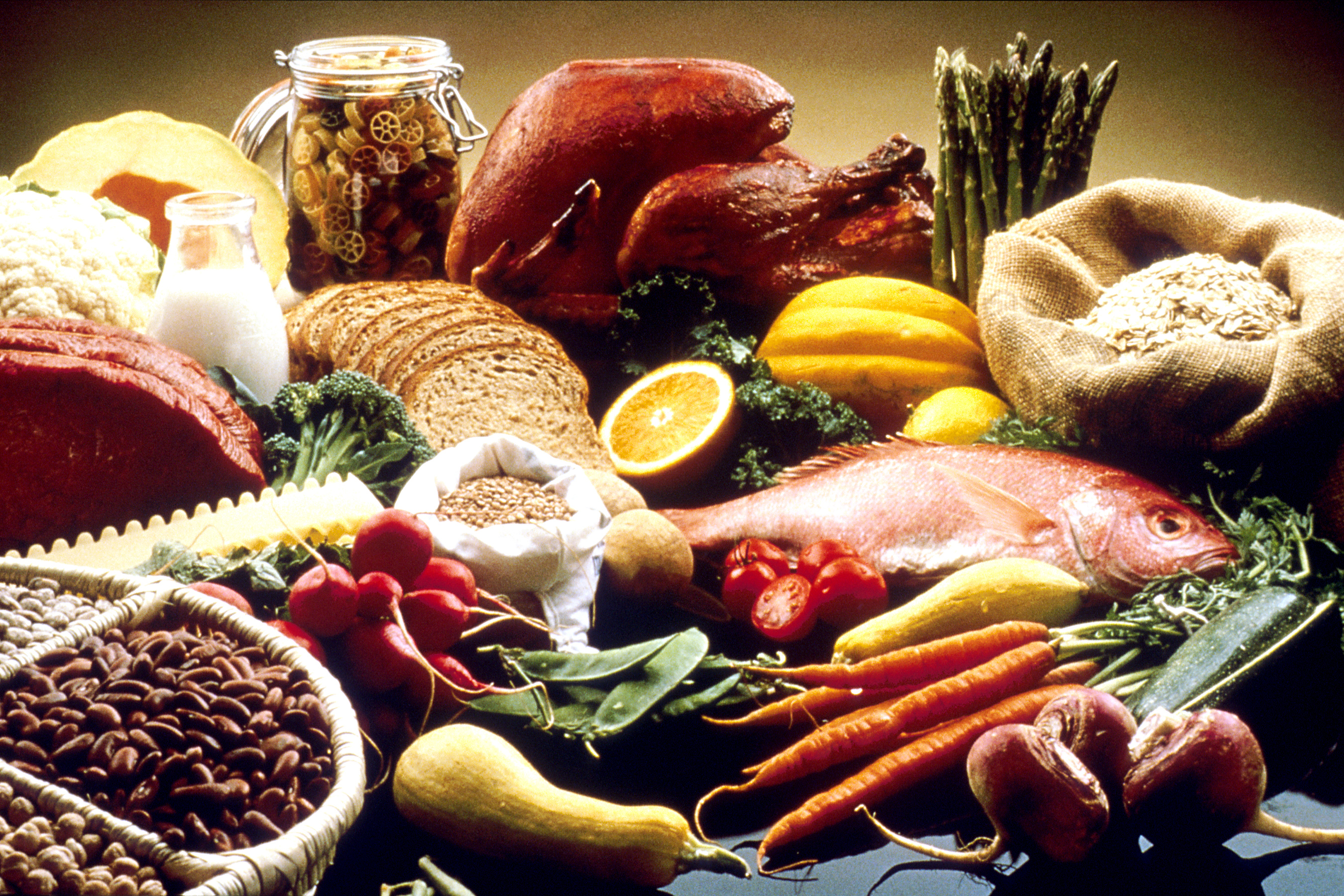
Veganism
From W8MD weight loss and sleep centers
Veganism, vegan diet, vegan weight loss plan, and how W8MD can help vegans lose weight safely
| Veganism
| |
|---|---|
| Type | Plant-based diet, vegetarian diet, vegan diet |
| Origin | Ethical, environmental, health, cultural, and personal dietary practice
|
| Foods emphasized | Vegetables, fruits, legumes, beans, lentils, tofu, tempeh, nuts, seeds, whole grains, plant-based milk |
| Foods excluded | Meat, poultry, fish, seafood, eggs, dairy, honey, and other animal-derived foods
|
| Related diets | Vegan diet, vegetarianism, plant-based diet, weight loss, medical weight loss, W8MD Weight Loss, Sleep and MedSpa |
Veganism is a dietary and lifestyle practice that avoids animal-derived foods and, in many cases, animal-derived products. A vegan diet excludes meat, poultry, fish, seafood, eggs, dairy products, honey, gelatin, and other animal-derived ingredients. Vegan eating patterns are based on vegetables, fruits, beans, lentils, chickpeas, tofu, tempeh, soy milk, nuts, seeds, whole grains, herbs, spices, and other plant-derived foods.
Veganism may be followed for ethical, environmental, religious, cultural, health, or personal reasons. From a health perspective, a well-planned vegan diet can be rich in fiber, antioxidants, phytochemicals, potassium, magnesium, and unsaturated fats. However, vegan diets require careful planning to ensure adequate intake of protein, vitamin B12, vitamin D, calcium, iron, zinc, iodine, selenium, and omega-3 fatty acids.
For people with overweight, obesity, insulin resistance, prediabetes, type 2 diabetes, metabolic syndrome, fatty liver disease, or sleep apnea, a vegan diet may support weight loss when it is structured around high-protein, high-fiber, low-glycemic, minimally processed plant foods rather than refined carbohydrates, sugar, and ultra-processed vegan snacks.
W8MD Weight Loss, Sleep and MedSpa can help vegan patients lose weight safely by personalizing vegan meal plans, improving protein intake, reducing refined carbohydrates, addressing insulin resistance, using meal replacements when appropriate, evaluating GLP-1 weight loss options when medically appropriate, screening for sleep apnea, and supporting long-term weight loss maintenance.
Overview
A vegan diet can be healthy or unhealthy depending on food quality. A diet based on vegetables, legumes, tofu, tempeh, nuts, seeds, and low-glycemic plant foods is very different from a diet based on vegan cookies, chips, fries, sweetened drinks, white rice, refined pasta, and sugary desserts.
A healthy vegan weight-loss plan should emphasize:
- Protein at each meal
- Non-starchy vegetables
- High-fiber foods
- Low-glycemic carbohydrates
- Healthy fats in controlled portions
- Adequate vitamin B12
- Adequate calcium and vitamin D
- Adequate iron, zinc, iodine, and selenium
- Calorie awareness
- Resistance training
- Sleep optimization
- Long-term maintenance
Definition
Veganism is the avoidance of animal-derived foods. A vegan diet generally excludes:
- Beef
- Pork
- Poultry
- Fish
- Seafood
- Eggs
- Milk
- Cheese
- Yogurt
- Butter
- Whey protein
- Casein
- Gelatin
- Honey
Common vegan foods include:
- Leafy greens
- Broccoli
- Cauliflower
- Zucchini
- Mushrooms
- Beans
- Lentils
- Chickpeas
- Tofu
- Tempeh
- Edamame
- Seitan
- Soy milk
- Almond milk
- Nuts
- Seeds
- Avocado
- Olive oil
- Berries
- Herbs and spices
Types of vegan diets
Whole-food vegan diet
A whole-food vegan diet emphasizes minimally processed plant foods such as vegetables, legumes, fruits, intact whole grains, nuts, seeds, tofu, and tempeh.
Low-fat vegan diet
A low-fat vegan diet limits oils, nuts, seeds, and other high-fat plant foods. It may be useful for selected patients but can be difficult to maintain and may not provide enough satiety for everyone.
High-protein vegan diet
A high-protein vegan diet emphasizes tofu, tempeh, edamame, seitan, soy milk, pea protein, lentils, beans, and vegan protein shakes. This is often more practical for weight loss and muscle preservation.
Low-carbohydrate vegan diet
A low-carbohydrate vegan diet reduces sugar, refined grains, white rice, pasta, potatoes, and sweetened drinks while emphasizing tofu, tempeh, seitan, soy foods, non-starchy vegetables, nuts, seeds, avocado, and plant-based protein.
Keto vegan diet
A keto vegan diet is a very low-carbohydrate vegan eating pattern. It can be difficult but possible with careful planning. Useful foods include tofu, tempeh, seitan, pea protein, leafy greens, mushrooms, zucchini, cauliflower, avocado, olives, olive oil, nuts, seeds, coconut products, and unsweetened plant milks.
For recipe ideas, see:
Health benefits of vegan diets
A well-planned vegan diet may support:
- Weight loss
- Lower calorie density
- Improved fiber intake
- Improved satiety
- Lower LDL cholesterol
- Improved insulin sensitivity
- Better blood sugar control
- Improved bowel regularity
- Lower intake of saturated fat
- Higher intake of plant antioxidants
- Improved cardiometabolic risk markers
A systematic review and meta-analysis found that vegetarian diets were associated with significant weight loss compared with non-vegetarian diets."Vegetarian diets and weight reduction: a meta-analysis of randomized controlled trials".Journal of the Academy of Nutrition and Dietetics.2015;PMID:25620754. A randomized clinical trial in adults with overweight found that a plant-based diet reduced body weight, fat mass, visceral fat, and insulin resistance markers compared with a control diet."A plant-based diet in overweight adults in a 16-week randomized clinical trial: metabolic benefits of plant protein".European Journal of Clinical Nutrition.2021;PMID:34330460. A systematic review and meta-analysis reported that vegan diets were associated with improvements in body weight, BMI, HbA1c, total cholesterol, and LDL cholesterol in people with overweight or type 2 diabetes."Effects of vegan diets on cardiometabolic health: A systematic review and meta-analysis of randomized controlled trials".Obesity Reviews.2022;PMC:9540559.
Nutritional risks and deficiencies
A vegan diet can be healthy, but it requires attention to key nutrients. Vegan patients should not assume that plant-based automatically means nutritionally complete.
Nutrients of concern include:
The Academy of Nutrition and Dietetics notes that vegans need reliable sources of vitamin B12, such as fortified foods or supplements."Position of the Academy of Nutrition and Dietetics: Vegetarian Diets".Journal of the Academy of Nutrition and Dietetics.2016;PMID:27886704. A systematic review of vegan dietary intake found that vegan diets may be associated with inadequate intake of nutrients such as vitamin B12, zinc, calcium, and selenium if not well planned."Intake and adequacy of the vegan diet. A systematic review of the evidence".Clinical Nutrition.2021;PMID:33341313.
Vitamin B12 and veganism
Vitamin B12 is one of the most important nutrients for vegans because it is naturally found mainly in animal-derived foods. Vegan patients should use reliable B12 sources such as fortified foods or supplements.
Vitamin B12 deficiency can cause:
- Fatigue
- Anemia
- Numbness or tingling
- Memory problems
- Mood changes
- Balance problems
- Neurologic injury if untreated
The NIH Office of Dietary Supplements notes that foods from animals, but not plants, naturally contain vitamin B12; fortified foods and supplements are important sources for people who avoid animal products.Vitamin B12 - Health Professional Fact Sheet(link). NIH Office of Dietary Supplements.
Veganism and weight loss
Vegan diets may help with weight loss for several reasons:
- Higher fiber intake
- Lower calorie density
- More vegetables and legumes
- Less saturated fat
- Reduced intake of high-calorie animal foods
- Improved satiety when protein is adequate
- Improved insulin sensitivity in some patients
- Better gut health in some patients
However, vegan weight loss is not automatic. Many vegan foods can be calorie-dense or high in refined carbohydrates.
Vegan foods that may slow weight loss include:
- Vegan cookies
- Vegan cakes
- Vegan ice cream
- Chips
- Fries
- White rice
- Refined pasta
- Sugary cereal
- Sweetened plant milks
- Fruit juice
- Large portions of nuts
- Large portions of oils
- Large portions of granola
- Ultra-processed vegan meats
W8MD vegan weight loss approach
W8MD can help vegan patients lose weight with a medically supervised plan that respects vegan ethics and food preferences while focusing on metabolic health.
The W8MD vegan weight-loss approach may include:
- Vegan diet history review
- Weight and BMI assessment
- Waist circumference tracking
- Protein target planning
- Calorie deficit planning
- Low-glycemic vegan foods
- Low-carbohydrate vegan options
- Vegan meal replacements when appropriate
- B12 and micronutrient review
- Lab testing when appropriate
- GLP-1 medication evaluation when appropriate
- Sleep apnea screening
- Exercise and strength training planning
- Long-term maintenance support
Who may benefit from a W8MD vegan weight-loss plan?
A structured vegan weight-loss plan may help patients with:
Vegan weight-loss plate method
A practical vegan weight-loss plate may include:
| Plate section | Vegan foods | Purpose |
|---|---|---|
| Half plate | Non-starchy vegetables such as greens, broccoli, cauliflower, zucchini, cabbage, mushrooms, peppers, cucumbers | Fiber, volume, fullness, vitamins, minerals |
| One quarter plate | Tofu, tempeh, seitan, edamame, lentils, beans, pea protein, vegan protein shake | Protein, satiety, muscle preservation |
| One quarter plate | Low-glycemic carbohydrates such as beans, lentils, berries, quinoa, or smaller portions of whole grains when appropriate | Energy, fiber, glucose stability |
| Small portion | Avocado, nuts, seeds, tahini, olive oil | Satiety, essential fats, nutrient absorption |
For patients with insulin resistance, prediabetes, type 2 diabetes, PCOS, or fatty liver disease, W8MD may reduce the carbohydrate portion and increase non-starchy vegetables and plant protein.
Best vegan proteins for weight loss
Protein is essential for vegan weight loss because it supports satiety and helps preserve lean body mass.
High-protein vegan foods include:
- Tofu
- Tempeh
- Edamame
- Seitan
- Soy curls
- Lentils
- Black beans
- Chickpeas
- Pea protein
- Soy protein
- Unsweetened soy milk
- Vegan protein shakes
- Nutritional yeast
Low-calorie vegan foods
Low-calorie vegan foods that help with fullness include:
- Spinach
- Romaine lettuce
- Kale
- Broccoli
- Cauliflower
- Zucchini
- Cucumber
- Cabbage
- Mushrooms
- Green beans
- Celery
- Radishes
- Bell peppers
- Tomato
Healthy vegan fats
Healthy vegan fats should be used in controlled portions because they are calorie-dense.
Examples include:
- Avocado
- Olive oil
- Chia seeds
- Flaxseed
- Hemp seeds
- Walnuts
- Almonds
- Pumpkin seeds
- Tahini
- Natural nut butter
Vegan foods to limit for weight loss
For weight loss, many vegan patients need to reduce foods that are plant-based but calorie-dense, high in refined carbohydrates, or low in protein.
Limit:
- Vegan desserts
- Vegan pastries
- Sweetened plant milks
- Fruit juice
- Soda
- White bread
- White rice
- Refined pasta
- Chips
- Fries
- Large portions of nuts
- Large portions of oils
- Granola
- Sweetened vegan yogurt
- Ultra-processed vegan meats
Vegan weight-loss grocery list
Proteins
- Extra-firm tofu
- Tempeh
- Edamame
- Seitan
- Soy curls
- Lentils
- Black beans
- Chickpeas
- Pea protein powder
- Unsweetened soy milk
- Vegan protein shakes
Vegetables
- Spinach
- Kale
- Romaine lettuce
- Broccoli
- Cauliflower
- Zucchini
- Cabbage
- Mushrooms
- Cucumbers
- Peppers
- Green beans
- Asparagus
Low-glycemic carbohydrates
- Lentils
- Beans
- Chickpeas
- Berries
- Quinoa in controlled portions
- Steel-cut oats in controlled portions
- Sweet potato in controlled portions
Fats and flavor
- Avocado
- Chia seeds
- Flaxseed
- Hemp seeds
- Walnuts
- Almonds
- Tahini
- Olive oil
- Nutritional yeast
- Lemon juice
- Vinegar
- Herbs and spices
Supplements to discuss
- Vitamin B12
- Vitamin D
- Vegan omega-3 DHA/EPA from algae
- Iodine
- Calcium
- Iron if deficient
- Zinc if deficient
- Selenium if intake is low
Detailed 7-day vegan weight-loss meal plan
This sample plan is for general education. Portions should be individualized based on weight, height, activity level, medical history, medications, appetite, and weight-loss goals.
Day 1
- Breakfast - Tofu scramble with spinach, mushrooms, peppers, and nutritional yeast.
- Lunch - Large salad with baked tofu, cucumber, romaine, avocado, tomatoes, and lemon-tahini dressing.
- Snack - Vegan protein shake with unsweetened soy milk.
- Dinner - Tempeh stir-fry with broccoli, cabbage, zucchini, and cauliflower rice.
Day 2
- Breakfast - Unsweetened soy yogurt with chia seeds, berries, and pea protein mixed in.
- Lunch - Lentil vegetable soup with side salad.
- Snack - Celery sticks with measured almond butter.
- Dinner - Seitan lettuce wraps with mushrooms, peppers, cucumber, and low-sugar sauce.
Day 3
- Breakfast - Vegan protein shake with unsweetened almond milk, spinach, and ground flaxseed.
- Lunch - Chickpea cucumber salad with greens and lemon dressing.
- Snack - Edamame.
- Dinner - Tofu curry with cauliflower rice and sautéed greens.
Day 4
- Breakfast - Tempeh strips with avocado and tomato over greens.
- Lunch - Black bean and vegetable bowl with extra lettuce, salsa, and controlled portion of quinoa.
- Snack - Berries with unsweetened soy yogurt.
- Dinner - Zucchini noodles with vegan tofu “ricotta” and marinara sauce.
Day 5
- Breakfast - Chia pudding made with unsweetened soy milk and pea protein.
- Lunch - Tofu vegetable soup with cabbage, mushrooms, and spinach.
- Snack - Cucumber slices with hummus in a controlled portion.
- Dinner - Tempeh salad bowl with broccoli, greens, avocado, and vinegar dressing.
Day 6
- Breakfast - Scrambled tofu with kale, onions, mushrooms, and turmeric.
- Lunch - Vegan protein shake plus a large non-starchy vegetable salad.
- Snack - Roasted edamame.
- Dinner - Seitan fajita bowl with peppers, lettuce, salsa, guacamole, and cauliflower rice.
Day 7
- Breakfast - Unsweetened soy yogurt with flaxseed, berries, and vegan protein powder.
- Lunch - Lentil lettuce cups with cucumber, herbs, and tahini-lemon sauce.
- Snack - Small handful of nuts with raw vegetables.
- Dinner - Tofu and mushroom stir-fry with broccoli, cabbage, and shirataki noodles.
Low-carb vegan weight-loss day
A lower-carbohydrate vegan day may look like:
- Breakfast - Tofu scramble with spinach and mushrooms.
- Lunch - Tempeh salad with avocado, greens, cucumber, and lemon dressing.
- Snack - Vegan protein shake with unsweetened almond milk.
- Dinner - Seitan stir-fry with broccoli, zucchini, cabbage, and cauliflower rice.
- Optional - Chia pudding made with unsweetened soy milk.
Keto vegan weight-loss day
A keto vegan day may include:
- Breakfast - Tofu scramble with avocado and spinach.
- Lunch - Tempeh lettuce bowl with olive oil dressing.
- Snack - Vegan protein shake with unsweetened almond milk and chia seeds.
- Dinner - Seitan or tofu with cauliflower rice, zucchini, mushrooms, and olive oil.
- Recipe resource - Keto vegan recipes on WikiMD
Vegan meal replacements
Meal replacements can be useful for some vegan patients when they provide adequate protein, fiber, vitamins, and minerals. W8MD may recommend vegan-compatible meal replacement options for selected patients who need structure, portion control, or convenience.
A vegan meal replacement should ideally include:
- Adequate protein
- Low added sugar
- Fiber
- Essential vitamins and minerals
- Reasonable calories
- No whey, casein, dairy, egg, gelatin, or animal-derived ingredients
Vegan weight loss with GLP-1 medications
Some vegan patients may qualify for GLP-1 weight loss medications such as semaglutide, Wegovy, tirzepatide, or Zepbound when medically appropriate. A vegan diet can be continued while using GLP-1 therapy, but protein, hydration, fiber, and micronutrients become especially important because appetite may decrease.
Vegan patients on GLP-1 medications should focus on:
- Protein-first vegan meals
- Vegan protein shakes if needed
- Hydration
- Fiber as tolerated
- B12 supplementation
- Resistance training
- Avoiding under-eating
- Avoiding greasy vegan foods if nausea occurs
- Monitoring constipation
Vegan diet and sleep apnea
Sleep apnea is strongly associated with obesity and can make weight loss harder by worsening fatigue, cravings, insulin resistance, and blood pressure. Vegan patients with snoring, daytime sleepiness, morning headaches, or resistant weight loss may benefit from sleep apnea screening.
W8MD can help with:
- Sleep apnea screening
- Home sleep test
- Polysomnography
- CPAP or APAP support when appropriate
- Weight loss to reduce sleep apnea severity
- Zepbound evaluation when appropriate for adults with obesity and moderate-to-severe OSA
Exercise for vegan weight loss
Exercise improves insulin sensitivity, preserves muscle, supports weight maintenance, and improves sleep. Vegan patients should combine nutrition with movement.
Recommended activity types include:
- Walking
- Resistance training
- Strength training
- Cycling
- Swimming
- Yoga
- Pilates
- Post-meal walking
- Daily step goals
Common vegan weight-loss mistakes
- Eating too little protein
- Relying on refined carbs
- Drinking calories
- Overeating nuts and oils
- Eating too many vegan desserts
- Not supplementing vitamin B12
- Not strength training
- Not addressing sleep apnea
- Assuming vegan means low calorie
- Eating frequent snacks
- Not planning meals
- Ignoring weight-loss plateaus
How W8MD can help vegans lose weight
W8MD Weight Loss, Sleep and MedSpa can help vegan patients lose weight while respecting their food values and preferences.
W8MD may provide:
- Physician-supervised medical weight loss
- Vegan meal planning
- Vegan protein targets
- Vegan low-carbohydrate options
- Vegan keto guidance when appropriate
- Vegan meal replacement guidance
- GLP-1 weight loss evaluation
- Semaglutide evaluation when appropriate
- Tirzepatide evaluation when appropriate
- Zepbound evaluation when appropriate
- Traditional medication options when appropriate
- Sleep apnea testing
- Insulin resistance assessment
- Long-term weight loss maintenance
W8MD vegan weight-loss checklist
| Step | What W8MD may review |
|---|---|
| Weight and medical history | BMI, waist circumference, weight pattern, medical conditions, medications |
| Vegan diet quality | Protein intake, refined carbs, calories, meal timing, snacks, oils, desserts |
| Metabolic risk | Prediabetes, insulin resistance, fatty liver, PCOS, cholesterol, blood pressure |
| Nutrient adequacy | Vitamin B12, vitamin D, calcium, iron, zinc, iodine, selenium, omega-3 |
| Sleep health | Snoring, sleep apnea symptoms, fatigue, CPAP use, sleep schedule |
| Treatment options | Vegan meal plan, meal replacements, GLP-1 medications, exercise, maintenance plan |
Frequently asked questions
Can vegans lose weight?
Yes. Vegans can lose weight when they create a calorie deficit using high-fiber, protein-rich, low-glycemic, minimally processed plant foods.
Is a vegan diet automatically healthy?
No. A vegan diet can be healthy or unhealthy. Vegan cookies, chips, desserts, fries, white rice, and sugary drinks can still promote weight gain.
What is the best vegan protein for weight loss?
Tofu, tempeh, seitan, edamame, soy milk, lentils, beans, pea protein, and vegan protein shakes are useful options.
Can vegans do keto?
Yes, but vegan keto is more restrictive and requires careful planning. See Keto vegan recipes on WikiMD.
Do vegans need vitamin B12?
Yes. Vegans should use reliable vitamin B12 sources such as fortified foods or supplements.
Can W8MD help vegans with GLP-1 medications?
Yes. W8MD can evaluate vegan patients for GLP-1 medications when medically appropriate and help them maintain protein, hydration, and nutrient intake during treatment.
Can vegan patients use meal replacements?
Yes, if the meal replacement is vegan-compatible and medically appropriate. W8MD can help select options that support protein, portion control, and nutrient adequacy.
When to call a doctor
Vegan patients should seek medical evaluation if they have:
- Unexplained weight gain
- Inability to lose weight despite dieting
- Fatigue
- Hair loss
- Numbness or tingling
- Heavy menstrual bleeding
- Dizziness
- Binge eating symptoms
- Prediabetes
- Type 2 diabetes
- High blood pressure
- High cholesterol
- Fatty liver disease
- Snoring or daytime sleepiness
- Suspected vitamin B12 deficiency
Conclusion
Veganism is a plant-based dietary and lifestyle practice that can support health and weight loss when carefully planned. For weight loss, the most effective vegan approach emphasizes adequate protein, high-fiber vegetables, low-glycemic carbohydrates, controlled portions of healthy fats, calorie awareness, B12 supplementation, resistance training, and long-term maintenance. W8MD Weight Loss, Sleep and MedSpa can help vegan patients lose weight safely with personalized vegan meal planning, medical weight loss, GLP-1 evaluation when appropriate, meal replacements, sleep apnea screening, and ongoing maintenance support.
See also
Relevant WikiMD links
- Keto vegan recipes
- Vegan diet
- Vegetarianism
- Plant-based diet
- Ketogenic diet
- Low-carbohydrate diet
- Weight loss
- Medical weight loss
- Protein
- Vitamin B12
- Sleep apnea
Further reading
- "Position of the Academy of Nutrition and Dietetics: Vegetarian Diets".Journal of the Academy of Nutrition and Dietetics.2016;PMID:27886704.
- "Vegetarian diets and weight reduction: a meta-analysis of randomized controlled trials".Journal of the Academy of Nutrition and Dietetics.2015;PMID:25620754.
- "A plant-based diet in overweight adults in a 16-week randomized clinical trial: metabolic benefits of plant protein".European Journal of Clinical Nutrition.2021;PMID:34330460.
- "Effects of vegan diets on cardiometabolic health: A systematic review and meta-analysis of randomized controlled trials".Obesity Reviews.2022;PMC:9540559.
- "Intake and adequacy of the vegan diet. A systematic review of the evidence".Clinical Nutrition.2021;PMID:33341313.
- Vitamin B12 - Health Professional Fact Sheet(link). NIH Office of Dietary Supplements.
External links
- W8MD Weight Loss, Sleep and MedSpa
- NYC medical weight loss
- Philadelphia medical weight loss
- Keto vegan recipes on WikiMD
| W8MD Weight Loss, Sleep and MedSpa | ||||||||||
|---|---|---|---|---|---|---|---|---|---|---|
|