
Protein for weight loss
Protein for weight loss
Learn how protein supports satiety and lean mass during weight loss, with practical targets, food choices and safety considerations.
Why protein matters during weight loss
Protein supplies amino acids needed for muscle, enzymes, hormones, immune function and tissue repair. During weight loss, adequate protein combined with resistance activity can help limit—though not completely prevent—loss of lean tissue. Protein may also improve satiety and make a reduced-calorie plan easier to follow.
How much protein?
The adult Recommended Dietary Allowance is 0.8 grams per kilogram of body weight per day, a minimum intended to meet basic needs for most healthy adults. During weight loss, aging or strength training, clinicians often individualize a higher target. There is no universal high-protein number: kidney function, liver disease, pregnancy, age, body size, activity, surgery history and total calorie intake matter.
Protein-rich choices
| Food group | Examples | Planning note |
|---|---|---|
| Fish and poultry | Salmon, tuna, shrimp, chicken, turkey | Choose minimally processed forms; oily fish also supplies omega-3 fats |
| Eggs and dairy | Eggs, Greek yogurt, cottage cheese, milk | Check added sugar, sodium and tolerance |
| Plant proteins | Beans, lentils, tofu, tempeh, edamame | Provide fiber; vary sources across the day |
| Lean meats | Lean beef or pork | Portion and saturated fat matter |
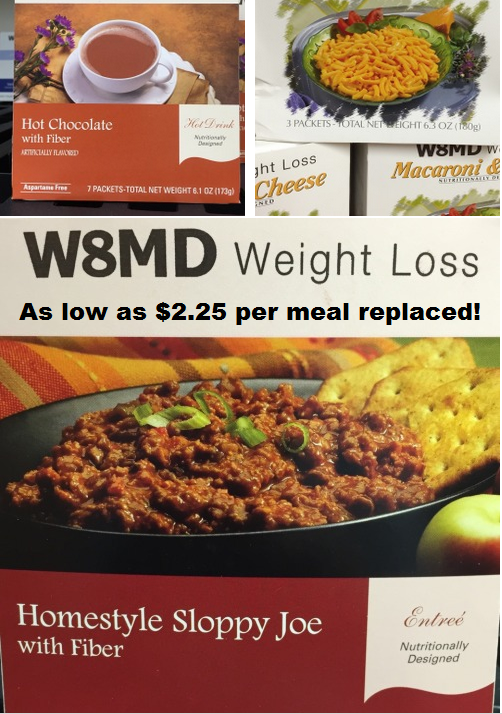
| Convenience options | Protein shakes, bars and meal replacements | Check serving protein, calories, sugar, sodium, allergens and third-party quality |
Making protein practical
- Include a meaningful protein source at each meal rather than saving most for dinner
- Eat protein first when GLP-1-related fullness limits meal size
- Pair protein with vegetables, fiber-rich carbohydrate and appropriate fats
- Use soft or liquid protein temporarily when nausea or dental issues limit intake
- Add resistance activity two or more days weekly when safe and feasible
- Monitor strength, fatigue, hair shedding and overall intake—not only the scale
When extra protein needs caution
People with chronic kidney disease, advanced liver disease, certain metabolic disorders, pregnancy or a history of bariatric surgery need individualized advice. High-protein diets can also crowd out fiber and micronutrients or worsen constipation if poorly designed.
How W8MD can help
W8MD physicians and clinicians evaluate weight history, medications, nutrition, body composition, metabolic risk factors and sleep-related barriers before recommending an individualized plan. Available services may include medical weight loss, GLP-1 treatment evaluation, established oral medications, nutrition planning, sleep-apnea care and long-term maintenance support.
When an FDA-approved medication is appropriate and insurance coverage exists, W8MD can review benefits and assist with prior-authorization documentation. Coverage and approval are determined by the health plan.
W8MD can set a practical protein range, assess body-composition context, recommend food-first options or appropriate meal replacements and pair nutrition with progressive resistance activity. The plan is adjusted when GLP-1 therapy markedly reduces appetite.
Frequently asked questions
Do protein shakes cause weight loss?
Not by themselves. They can improve convenience and portion control but still contribute calories.
Can protein prevent all muscle loss?
No. Adequate protein, resistance activity, reasonable loss rate and monitoring work together to reduce avoidable loss.
Is more always better?
No. Beyond individual needs, more protein may add calories, displace other nutrients or be unsuitable for certain conditions.
Authoritative sources
Set a personalized protein and muscle plan
W8MD Weight Loss, Sleep & MedSpa provides physician-supervised care in Brooklyn, New York and Northeast Philadelphia. Telehealth may be available for eligible patients based on location and applicable requirements.
Contact W8MD