
Anti-inflammatory foods for weight loss
Anti-inflammatory foods for weight loss
Anti-inflammatory foods, Mediterranean and DASH eating, realistic weight-loss benefits, portions and misleading claims.
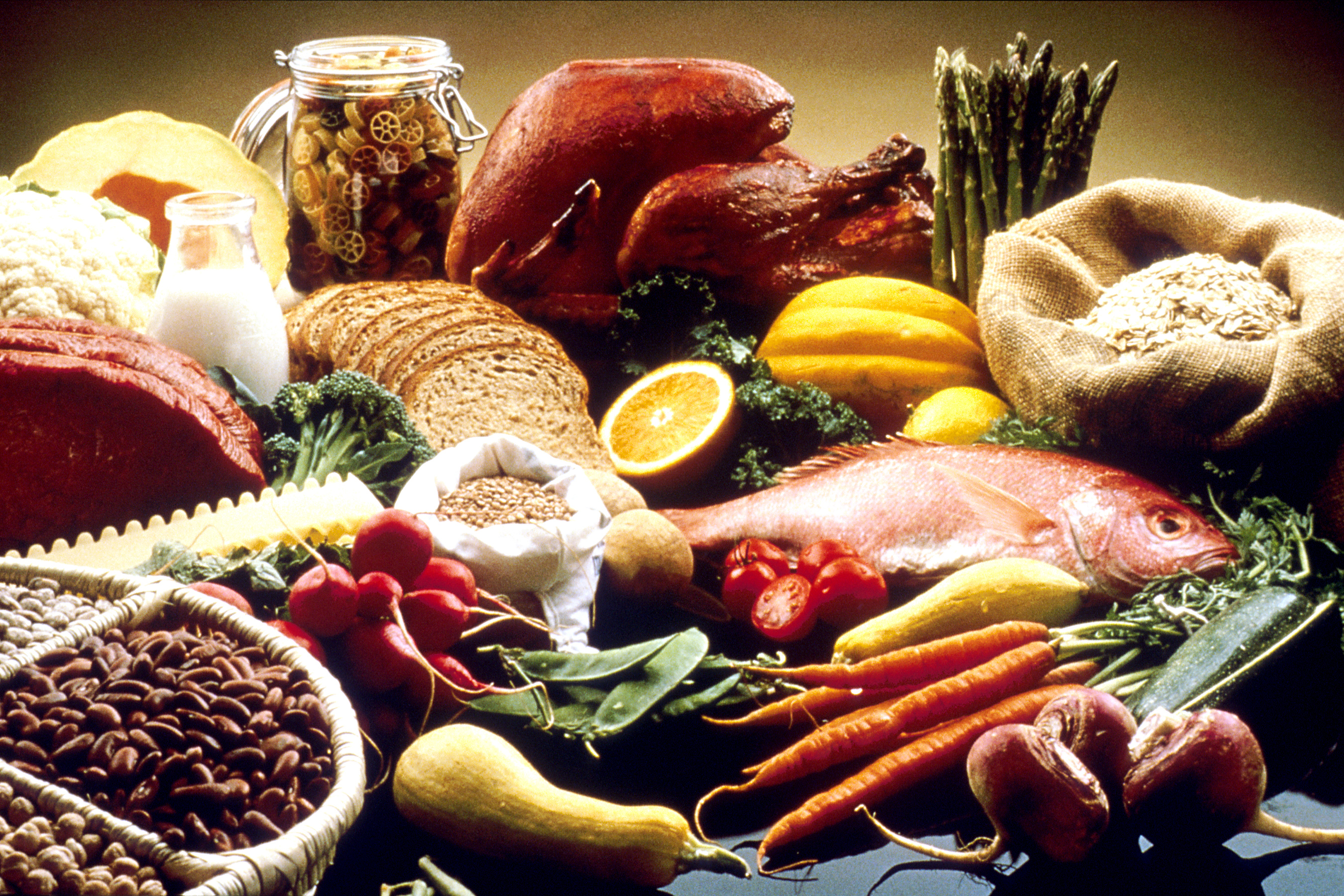
What does anti-inflammatory eating mean?
An anti-inflammatory eating pattern emphasizes foods associated with better cardiometabolic health and fewer highly processed foods high in refined starch, added sugar, sodium and saturated fat. No single food can “detox” the body or cure chronic inflammation.
Mediterranean- and DASH-style patterns provide the strongest practical models: vegetables, fruit, legumes, whole grains, nuts, seeds, fish and unsaturated oils, with less processed meat, sugary beverages and heavily refined food.
Foods to emphasize
| Group | Examples | Why it helps the pattern |
|---|---|---|
| Colorful plants | Leafy greens, berries, peppers, broccoli | Fiber and diverse phytochemicals |
| Legumes and whole grains | Lentils, beans, oats, barley | Fiber and improved meal quality |
| Unsaturated fats | Olive oil, nuts, seeds, avocado | Replace saturated fats |
| Omega-3-rich seafood | Salmon, sardines, trout | Provides long-chain omega-3 fats |
| Herbs and spices | Garlic, ginger, turmeric, herbs | Flavor without relying on excess salt |
Foods to limit—not fear
- Sugar-sweetened beverages
- Frequent processed meats
- Foods dominated by refined flour and added sugar
- Excess saturated and trans fat
- Excess alcohol
- Highly processed foods that displace nutrient-dense choices
Anti-inflammatory foods and weight loss
These foods do not automatically cause loss. Nuts and oils are nutritious but calorie-dense. Weight loss requires an appropriate energy deficit while protein, fiber and portions support fullness. Reduced visceral fat, physical activity, better sleep and tobacco cessation can also improve inflammatory risk.
Avoid misleading claims
How W8MD can help
W8MD can build a Mediterranean- or DASH-style calorie plan, adjust portions and protein during GLP-1 treatment, and address sleep apnea, glucose, cholesterol and visceral fat—factors closely connected with cardiometabolic inflammation.
Frequently asked questions
Is turmeric enough to reduce inflammation?
No single spice offsets an otherwise poor dietary pattern, and concentrated supplements can interact with medicines.
Must all processed foods be avoided?
No. Processing exists on a spectrum; the priority is limiting nutrient-poor highly processed foods.
Are anti-inflammatory foods low carbohydrate?
Not necessarily. Fruit, beans and whole grains contain carbohydrates and can be portioned to individual needs.
Authoritative sources
Build an anti-inflammatory-style weight plan
W8MD Weight Loss, Sleep & MedSpa provides physician-supervised care in Brooklyn, New York and Northeast Philadelphia. Telehealth may be available for eligible patients based on location and applicable requirements.
Contact W8MD