
Portion control for weight loss
Portion control for weight loss
Practical portion-control methods, plate planning, food-label serving sizes and smaller-meal strategies during GLP-1 treatment.
What is portion control?
Portion control means choosing an amount of food that supports nutritional and energy needs. A portion is what a person actually eats; a serving size is a standardized reference on a label or dietary guide. They are not always the same.
Portion awareness can support weight loss without banning entire food groups, but it should be combined with protein, fiber, food quality, hunger awareness and a sustainable calorie target.
A practical plate framework
| Plate area | Food examples | Purpose |
|---|---|---|
| About half | Nonstarchy vegetables | Volume, fiber and micronutrients |
| About one quarter | Fish, poultry, eggs, tofu, beans or another protein | Satiety and lean-mass support |
| About one quarter | Whole grains, beans, potato or another measured starch | Energy and carbohydrate |
| Alongside | Fruit or dairy when appropriate | Nutrients and meal variety |
| Measured addition | Olive oil, nuts, seeds, avocado or dressing | Unsaturated fat with calorie awareness |
Portion-control methods that work in real life
- Plate food in the kitchen instead of eating from a package.
- Use smaller bowls or plates when this improves awareness—not as a punishment.
- Measure calorie-dense foods periodically until visual estimates improve.
- Order smaller restaurant portions or divide the meal before eating.
- Slow the pace and pause before deciding on seconds.
- Build the meal around protein and vegetables rather than saving calories by skipping meals.
- Keep trigger foods in planned single portions when total avoidance causes rebound eating.
Reading serving information
Servings per container
A package may contain several labeled servings even when commonly eaten at once.
Calories and nutrients
Multiply values when consuming more than one serving.
Household measures
Cups and tablespoons are useful, but a food scale can improve accuracy for dense foods.
Restaurant portions
They may substantially exceed home portions; menu calories can provide context where available.
Portions during GLP-1 treatment
Because gastric emptying and satiation may change, smaller meals, slower eating and stopping at the first comfortable fullness can reduce nausea or reflux. Protein and fluids still need attention. Persistent vomiting, severe abdominal pain or inability to maintain hydration requires prompt clinical advice.
Avoid turning portions into rigid restriction
Portion tools should not produce fear, compulsive weighing, binge–restrict cycles or nutritionally inadequate intake. Patients with active or suspected eating disorders need recovery-centered professional guidance rather than routine calorie restriction.
How W8MD can help
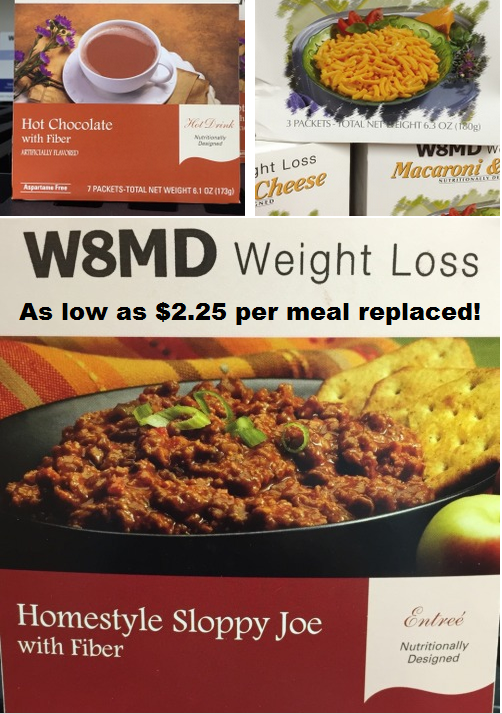
W8MD can translate calorie and protein goals into culturally familiar portions, integrate meal replacements or GLP-1 treatment, and adjust portions as appetite, activity and weight change. Body composition and strength help determine whether the plan is protecting lean mass.
Frequently asked questions
Do I need to weigh every food?
No. Short-term measuring can teach visual estimates, while many patients later use plate and hand-based methods.
Can healthy food portions be unlimited?
No. Nuts, oils, cheese and whole grains are nutritious but energy-dense.
Why am I hungry after a small meal?
The meal may lack protein, fiber, volume or sufficient energy, or sleep and medication factors may be influencing hunger.
Authoritative sources
Build a personalized portion and meal plan
W8MD Weight Loss, Sleep & MedSpa provides physician-supervised care in Brooklyn, New York and Northeast Philadelphia. Telehealth may be available for eligible patients based on location and applicable requirements.
Contact W8MD