GLP-1 maintenance therapy

From W8MD weight loss and sleep centers

GLP-1 maintenance therapy after weight loss, including lowest effective dose, extended interval dosing, microdosing, tapering, and W8MD weight maintenance support


GLP-1 maintenance therapy
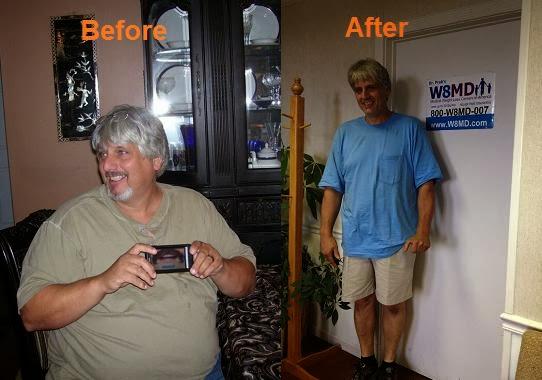
Before-and-after-weight-loss.jpeg
Synonyms N/A
Pronounce N/A
Specialty N/A
Symptoms Weight regain risk, increased appetite, cravings, hunger, reduced satiety, return of metabolic risk factors
Complications N/A
Onset N/A
Duration N/A
Types N/A
Causes Biological weight-regain mechanisms, appetite hormone changes, reduced energy expenditure, insulin resistance, untreated sleep apnea, poor nutrition, loss of structure
Risks N/A
Diagnosis Weight trend, appetite assessment, medication review, body mass index, waist circumference, metabolic markers, sleep evaluation
Differential diagnosis N/A
Prevention N/A
Treatment Lowest effective dose, extended interval dosing, microdosing when appropriate, tapering, full-dose continuation, protein planning, strength training, sleep apnea care
Medication N/A
Prognosis N/A
Frequency N/A
Deaths N/A


GLP-1 maintenance therapy may help patients stabilize appetite and reduce weight regain after active weight loss.
Long-term success after GLP-1 weight loss requires medication planning, nutrition, protein, strength training, sleep care, and relapse prevention.
W8MD Weight Loss, Sleep and MedSpa helps patients lose weight and maintain long-term results through physician-supervised care.
Meal replacements may support weight loss maintenance by improving structure, portion control, and protein intake.
Weight loss success stories

GLP-1 maintenance therapy refers to the long-term use or careful adjustment of GLP-1 weight loss medications after a patient has reached a target weight, near-goal weight, or clinically meaningful weight loss. The goal of maintenance is not simply to continue losing weight but to stabilize appetite, preserve metabolic improvements, prevent weight regain, and support long-term weight loss maintenance.

GLP-1 maintenance may involve continuing the same medication, lowering the dose, using the lowest effective dose, spacing injections farther apart, carefully tapering, or using clinician-supervised microdosing in selected situations. These strategies should be individualized by a qualified healthcare provider because obesity is a chronic medical condition and stopping medication abruptly can lead to increased hunger, cravings, and weight regain in many patients.

W8MD Weight Loss, Sleep and MedSpa helps patients not only lose weight but also keep it off with physician-supervised medical weight loss, GLP-1 weight loss injections, nutrition counseling, meal replacements, low-carbohydrate diet planning, sleep apnea screening, strength training support, and long-term maintenance care. Since 2011, W8MD has helped thousands of patients with weight loss and ongoing maintenance.

Patients may need a maintenance plan after using:

Why maintenance is needed

Weight regain after stopping obesity medication is common because the biological drivers of weight gain often return. Hunger, cravings, larger portion sizes, fatigue, poor sleep, and reduced satiety may gradually reappear.

The STEP 1 trial extension found that after withdrawal of once-weekly semaglutide 2.4 mg and lifestyle intervention, participants regained a substantial portion of the weight they had lost."Weight regain and cardiometabolic effects after withdrawal of semaglutide: The STEP 1 trial extension".Diabetes, Obesity and Metabolism.2022;PMID:35441470.PMC:9542252.

In the STEP 4 randomized clinical trial, participants who continued semaglutide after an initial run-in period continued to lose weight, while those switched to placebo regained weight despite lifestyle intervention."Effect of Continued Weekly Subcutaneous Semaglutide vs Placebo on Weight Loss Maintenance in Adults With Overweight or Obesity".JAMA.2021;PMID:33755728.PMC:7988425.

The SURMOUNT-4 trial found that continued tirzepatide helped patients maintain weight loss, while withdrawal led to substantial weight regain in many participants."Continued Treatment With Tirzepatide for Maintenance of Weight Reduction in Adults With Obesity".JAMA.2024;PMID:38078870.

What GLP-1 maintenance therapy tries to prevent

Maintenance therapy may help prevent:

Who may need GLP-1 maintenance therapy?

GLP-1 maintenance may be considered for patients who have used GLP-1 or related medications and have:

Primary GLP-1 maintenance strategies

There is no single best maintenance strategy for every patient. The right approach depends on appetite control, weight trend, side effects, insurance coverage, cost, medication access, metabolic health, sleep, exercise, and patient preference.

Lowest effective dose

The lowest effective dose strategy means continuing the GLP-1 medication but reducing the dose to the smallest amount that controls appetite and prevents weight regain without causing unwanted continued weight loss or excessive side effects.

For example, under medical supervision, a patient may reduce:

  • Semaglutide from a higher dose to a lower dose
  • Wegovy from 2.4 mg to 1.7 mg when appropriate
  • Tirzepatide from a higher maintenance dose to a lower effective dose when appropriate
  • Zepbound or Mounjaro to a dose that balances hunger control, tolerance, and weight stability

The FDA prescribing information for Wegovy states that the recommended maintenance dosage is 2.4 mg once weekly, and if patients do not tolerate the 2.4 mg maintenance dose, the dosage can be decreased to 1.7 mg once weekly with consideration of re-escalation.WEGOVY prescribing information(link). U.S. Food and Drug Administration.

Full-dose continuation

Some patients remain on the full therapeutic dose indefinitely, especially if they have chronic obesity, strong appetite recurrence at lower doses, type 2 diabetes, severe insulin resistance, high cardiovascular risk, or prior repeated weight regain.

This approach may be appropriate for patients who:

  • Regain weight quickly when dose is lowered
  • Have persistent insulin resistance
  • Have type 2 diabetes
  • Have sleep apnea
  • Have high cardiometabolic risk
  • Have severe obesity
  • Have repeated prior weight regain
  • Tolerate medication well

Extended interval dosing

Extended interval dosing means spacing injections farther apart than the standard weekly schedule, such as every 10 days, every 12 days, or every 14 days. This is sometimes used in clinical practice to reduce cost, reduce side effects, or test whether appetite remains controlled.

Important note: Extended interval dosing is usually an off-label strategy because most GLP-1 weight-loss injections are labeled for once-weekly use. It should only be done with clinician guidance.

Potential advantages may include:

  • Lower medication exposure
  • Lower cost in some cases
  • Less nausea in some patients
  • A gradual transition toward lower treatment intensity
  • Appetite testing before full discontinuation

Potential disadvantages include:

  • Return of hunger before the next dose
  • Weight regain
  • More variable appetite control
  • Less predictable medication effect
  • Not matching FDA-labeled dosing instructions

Gradual tapering

Gradual tapering means slowly reducing the dose, frequency, or both over several months. The goal is to allow the patient to test appetite control and lifestyle stability without abruptly stopping medication.

A tapering plan may include:

  • Lowering the dose step by step
  • Extending the dosing interval
  • Increasing protein and fiber
  • Increasing strength training
  • Increasing visit frequency
  • Weekly weight monitoring
  • Restarting or adjusting therapy if weight rises

Tapering may be considered when:

  • Patient has reached goal weight
  • Side effects persist
  • Cost is a barrier
  • Medication supply is limited
  • Pregnancy is being planned
  • Patient prefers a trial off medication
  • Clinician believes risk is acceptable

Microdosing

Microdosing in GLP-1 maintenance usually refers to using a smaller-than-standard dose, a partial dose, or a very low dose to maintain appetite control after active weight loss. Some patients and clinicians use the term to describe a low-dose maintenance strategy rather than full therapeutic dosing.

Microdosing may be considered for selected patients when the goal is:

  • Appetite stabilization
  • Avoiding additional weight loss
  • Reducing side effects
  • Reducing medication cost
  • Testing the lowest effective dose
  • Maintaining metabolic improvements
  • Reducing rebound hunger

Important safety note: Microdosing is not a standardized FDA-labeled maintenance strategy for most GLP-1 medications. It should be discussed with a licensed healthcare provider. Patients should not split pens, alter devices, compound doses, or use unregulated online products without medical supervision.

Combination maintenance

Some patients need more than one strategy. For example, a clinician may combine:

Comparing GLP-1 maintenance strategies

Strategy Description Best suited for Cautions
Lowest effective dose Continue medication at the smallest dose that controls appetite and weight Patients who regain appetite at full discontinuation but do not need full dose Requires monitoring and dose adjustment
Full-dose continuation Stay on the therapeutic maintenance dose Patients with high regain risk, severe obesity, diabetes, or strong appetite recurrence Cost, side effects, long-term monitoring
Extended interval dosing Space injections farther apart than weekly Patients testing lower medication exposure or reducing cost Usually off-label; appetite may return before next dose
Gradual tapering Slowly reduce dose or frequency over months Patients trying to discontinue safely Weight regain can still occur
Microdosing Use a very low or partial maintenance dose Selected patients who need small appetite support Not standardized; should be clinician-guided
Discontinuation with intensive lifestyle maintenance Stop medication and rely on nutrition, exercise, monitoring, and support Patients with strong habits, low regain risk, or medication contraindications Highest risk of appetite return in many patients

Biology of weight regain

After weight loss, the body may respond as though it is under threat. This can lead to:

  • Increased hunger hormones
  • Reduced satiety
  • Reduced energy expenditure
  • Increased food reward
  • Increased cravings
  • Lower resting metabolic rate
  • Reduced spontaneous movement
  • Greater efficiency of calorie storage
  • Return of insulin resistance if weight increases

This is why long-term maintenance often requires ongoing structure, not simply “willpower.”

Essential lifestyle habits during GLP-1 maintenance

Medication is only one part of maintenance. Long-term success requires preserving the habits built during active weight loss.

Protein and fiber

Adequate protein helps preserve lean body mass and supports satiety. Many patients need individualized protein targets, often in the range of 90–120 grams daily, depending on body size, age, kidney function, activity level, and medical history.

High-protein foods include:

  • Eggs
  • Fish
  • Chicken
  • Turkey
  • Lean meat
  • Greek yogurt
  • Cottage cheese
  • Tofu
  • Tempeh
  • Protein shakes
  • Meal replacements

High-fiber foods include:

  • Non-starchy vegetables
  • Berries
  • Chia seeds
  • Flaxseed
  • Beans in selected plans
  • Lentils in selected plans
  • Avocado
  • Nuts in controlled portions

Strength training

Strength training is essential because weight loss can reduce both fat mass and lean mass. Building or preserving muscle helps support strength, mobility, insulin sensitivity, and resting metabolic rate.

Examples include:

  • Resistance bands
  • Dumbbells
  • Weight machines
  • Bodyweight exercises
  • Squats
  • Wall push-ups
  • Chair stands
  • Lunges
  • Core exercises
  • Supervised physical therapy when needed

Hydration

Hydration may help reduce headaches, constipation, dizziness, fatigue, and false hunger signals. Many patients aim for at least 64 ounces of water daily unless restricted by kidney disease, heart failure, or clinician advice.

Hydration strategies include:

  • Water
  • Unsweetened tea
  • Sugar-free electrolyte drinks when appropriate
  • Broth when appropriate
  • Avoiding sugary drinks
  • Limiting alcohol

Sleep and stress

Poor sleep and stress can increase hunger, cravings, insulin resistance, and late-night eating. Patients with snoring, daytime sleepiness, or resistant weight should be screened for sleep apnea.

Maintenance should address:

  • Sleep apnea
  • Insomnia
  • Stress eating
  • Late-night eating
  • Caffeine timing
  • Alcohol near bedtime
  • Sleep schedule consistency
  • Stress management

Consistent monitoring

Weekly monitoring helps catch weight regain early before it becomes difficult to reverse.

Useful monitoring tools include:

  • Weekly weight
  • Waist circumference
  • Food logs when needed
  • Protein tracking
  • Step count
  • Strength training log
  • Sleep symptoms
  • Blood pressure
  • Blood sugar when appropriate

When to adjust GLP-1 maintenance therapy

A clinician may consider changing the maintenance plan when:

  • Weight continues to fall below goal
  • Appetite is too suppressed
  • Nausea, vomiting, constipation, or reflux persists
  • Weight begins rising
  • Hunger returns strongly before the next dose
  • Cost becomes a barrier
  • Insurance coverage changes
  • Patient reaches a new health goal
  • Pregnancy is planned
  • New medical conditions develop
  • Sleep apnea improves or worsens

Signs that the dose may be too high

A maintenance dose may be too high if the patient experiences:

  • Ongoing unwanted weight loss
  • Low energy
  • Inability to eat adequate protein
  • Persistent nausea
  • Vomiting
  • Dehydration
  • Dizziness
  • Constipation
  • Reflux
  • Excessive food aversion

Signs that the dose may be too low

A maintenance dose may be too low if the patient experiences:

  • Strong hunger returning
  • Frequent cravings
  • Night eating
  • Larger portions
  • Grazing
  • Rapid weight regain
  • Loss of control around food
  • Rising blood sugar
  • Rising blood pressure
  • Worsening sleep apnea symptoms

GLP-1 maintenance and sleep apnea

Sleep apnea can worsen hunger, fatigue, insulin resistance, and blood pressure. Treating sleep apnea may make weight maintenance easier.

W8MD can help with:

The FDA approved Zepbound as the first medication for moderate-to-severe obstructive sleep apnea in adults with obesity.FDA Approves First Medication for Obstructive Sleep Apnea(link). U.S. Food and Drug Administration.December 20, 2024.

GLP-1 maintenance and cardiometabolic health

Weight maintenance may help preserve improvements in:

When GLP-1 medication is stopped and weight returns, some cardiometabolic improvements may also reverse. In a post hoc analysis of SURMOUNT-4, greater weight regain after tirzepatide withdrawal was associated with reversal of improvements in several cardiometabolic parameters."Cardiometabolic Parameter Change by Weight Regain on Withdrawal of Tirzepatide".JAMA Internal Medicine.2025;PMC:12645400.

How W8MD helps with GLP-1 maintenance

W8MD Weight Loss, Sleep and MedSpa helps patients not only lose weight but also maintain weight loss. W8MD has helped thousands of patients with physician-supervised weight-loss and maintenance programs.

W8MD may help with:

W8MD maintenance visit checklist

A W8MD maintenance visit may review:

Area What may be reviewed
Weight trend Current weight, goal weight, weekly weight pattern, weight regain signals
Appetite Hunger, cravings, portion size, night eating, food noise
Medication Current GLP-1 dose, side effects, cost, coverage, adherence, timing
Nutrition Protein intake, fiber intake, hydration, meal replacements, carbohydrate quality
Activity Steps, strength training, mobility, injury limitations
Sleep Snoring, daytime sleepiness, CPAP use, sleep schedule
Metabolic health Blood pressure, blood sugar, lipids, insulin resistance, fatty liver risk
Maintenance plan Lowest effective dose, full-dose continuation, tapering, microdosing, or extended interval strategy

W8MD patient reviews

W8MD patient reviews often emphasize reduced cravings, improved energy, better health markers, supportive staff, and long-term maintenance. Individual results vary, and no result can be guaranteed.

Highlighted patient success story

FANTASTIC program! Truly a life changer!

“FANTASTIC program! Truly a life changer! The first several months I lost on average 3 pounds a week. I have now lost 87 pounds in 10 months and I'm still losing! I can say it feels almost effortless, for with the elimination of most carbs plus the medication I have ZERO cravings and minimal hunger. My cholesterol, blood pressure, and blood sugar have all returned to normal having previously been considerably elevated. I look and feel twenty years younger (I am 57.) Staff is friendly and supportive, and the science works. I did not think that I would be able to achieve such results, and certainly not in less than a year. I am amazed at my success, and I could not have done it without Dr. Tumpati and W8MD.”

- D.M., actual W8MD patient who lost 100 lbs and has maintained the weight loss for over 10 years.

Additional patient-reported themes

  • Reduced hunger
  • Fewer cravings
  • Better portion control
  • Improved energy
  • Improved blood pressure
  • Improved blood sugar
  • Improved cholesterol
  • Better confidence
  • Better long-term maintenance
  • Supportive staff
  • Physician-supervised care

Affordable W8MD GLP-1 maintenance options

Affordable GLP-1 weight loss and maintenance options

W8MD offers GLP-1 weight loss injections such as Wegovy, Ozempic, Zepbound, Mounjaro, semaglutide, and tirzepatide when medically appropriate.

  • Affordable GLP-1 options starting at $29.99/week and up with insurance for visits for eligible patients.
  • Most insurances accepted for qualifying medical visits.
  • Self-pay GLP-1 injection options starting from $59.99/week and up when available and medically appropriate.
  • Pricing, insurance coverage, medication access, and eligibility vary by patient, location, medication, pharmacy availability, and medical evaluation.

Sample GLP-1 maintenance plan

This sample plan is educational and should be individualized by a healthcare provider.

Maintenance component Example
Medication strategy Lowest effective dose, microdosing discussion, extended interval dosing, gradual tapering, or full-dose continuation
Protein Individualized target, often 90–120 grams daily when appropriate
Fiber Non-starchy vegetables, berries, chia seeds, flaxseed, beans or lentils in selected plans
Exercise Strength training 2–4 days per week plus walking or other activity
Hydration Often at least 64 ounces daily unless medically restricted
Monitoring Weekly weight, monthly waist circumference, appetite tracking
Sleep Screen and treat sleep apnea, improve sleep schedule
Follow-up Regular W8MD maintenance visits

Common mistakes during GLP-1 maintenance

  • Stopping medication abruptly without a plan
  • Reducing dose too quickly
  • Not eating enough protein
  • Not strength training
  • Ignoring constipation or dehydration
  • Returning to high-carbohydrate grazing
  • Drinking calories
  • Not monitoring weight weekly
  • Ignoring sleep apnea symptoms
  • Waiting too long after weight regain starts
  • Assuming willpower alone will override biological hunger

When to call W8MD or a healthcare provider

Patients should seek medical advice if they experience:

  • Rapid weight regain
  • Strong hunger return
  • Persistent nausea
  • Vomiting
  • Severe constipation
  • Dehydration
  • Dizziness
  • Abdominal pain
  • Low blood sugar symptoms
  • Worsening blood pressure
  • Worsening blood sugar
  • Snoring or daytime sleepiness
  • Medication affordability problems
  • Questions about tapering or microdosing

Frequently asked questions

What is GLP-1 maintenance therapy?

GLP-1 maintenance therapy is a long-term strategy after weight loss that adjusts medication dose, timing, nutrition, exercise, and follow-up to prevent weight regain.

Do people regain weight after stopping GLP-1 medications?

Many patients regain weight after stopping GLP-1 or related medications. Clinical trials of semaglutide and tirzepatide show that withdrawal is often followed by weight regain despite lifestyle intervention."Weight regain and cardiometabolic effects after withdrawal of semaglutide: The STEP 1 trial extension".Diabetes, Obesity and Metabolism.2022;PMID:35441470.PMC:9542252."Continued Treatment With Tirzepatide for Maintenance of Weight Reduction in Adults With Obesity".JAMA.2024;PMID:38078870.

What is the lowest effective dose?

The lowest effective dose is the smallest dose that controls hunger, cravings, and weight regain without causing unwanted continued weight loss or side effects.

What is GLP-1 microdosing?

GLP-1 microdosing refers to using a very low or partial dose as a maintenance strategy. It is not standardized and should only be considered under medical supervision.

Is extended interval dosing safe?

Extended interval dosing is an off-label strategy for many GLP-1 injections. It should be clinician-guided because appetite control may become less predictable.

Can W8MD help with GLP-1 maintenance?

Yes. W8MD can help patients develop individualized GLP-1 maintenance plans, including dose adjustment discussions, nutrition, meal replacements, strength training, sleep apnea screening, and long-term follow-up.

Should I stop GLP-1 medication after reaching goal weight?

Not necessarily. Some patients stop, some taper, some reduce dose, and others remain on long-term therapy. The decision should be made with a healthcare provider.

Conclusion

GLP-1 maintenance therapy is a practical and medically important phase of medical weight loss. After reaching goal weight, many patients need continued support because the body may biologically resist maintaining a lower weight. Strategies may include the lowest effective dose, full-dose continuation, extended interval dosing, gradual tapering, or carefully supervised microdosing. Long-term success also requires protein, fiber, strength training, hydration, sleep optimization, and consistent monitoring. W8MD Weight Loss, Sleep and MedSpa helps patients lose weight and keep it off through physician-supervised GLP-1 therapy, nutrition support, sleep apnea care, and long-term maintenance planning.

See also

Further reading

  • "Weight regain and cardiometabolic effects after withdrawal of semaglutide: The STEP 1 trial extension".Diabetes, Obesity and Metabolism.2022;PMID:35441470.PMC:9542252.
  • "Effect of Continued Weekly Subcutaneous Semaglutide vs Placebo on Weight Loss Maintenance in Adults With Overweight or Obesity".JAMA.2021;PMID:33755728.PMC:7988425.
  • "Continued Treatment With Tirzepatide for Maintenance of Weight Reduction in Adults With Obesity".JAMA.2024;PMID:38078870.
  • "Cardiometabolic Parameter Change by Weight Regain on Withdrawal of Tirzepatide".JAMA Internal Medicine.2025;PMC:12645400.
  • WEGOVY prescribing information(link). U.S. Food and Drug Administration.
  • FDA Approves First Medication for Obstructive Sleep Apnea(link). U.S. Food and Drug Administration.December 20, 2024.

External links