
Low-fat diet
Low-fat diet
How to reduce dietary fat without sacrificing nutrition, satisfaction or long-term weight-management success.
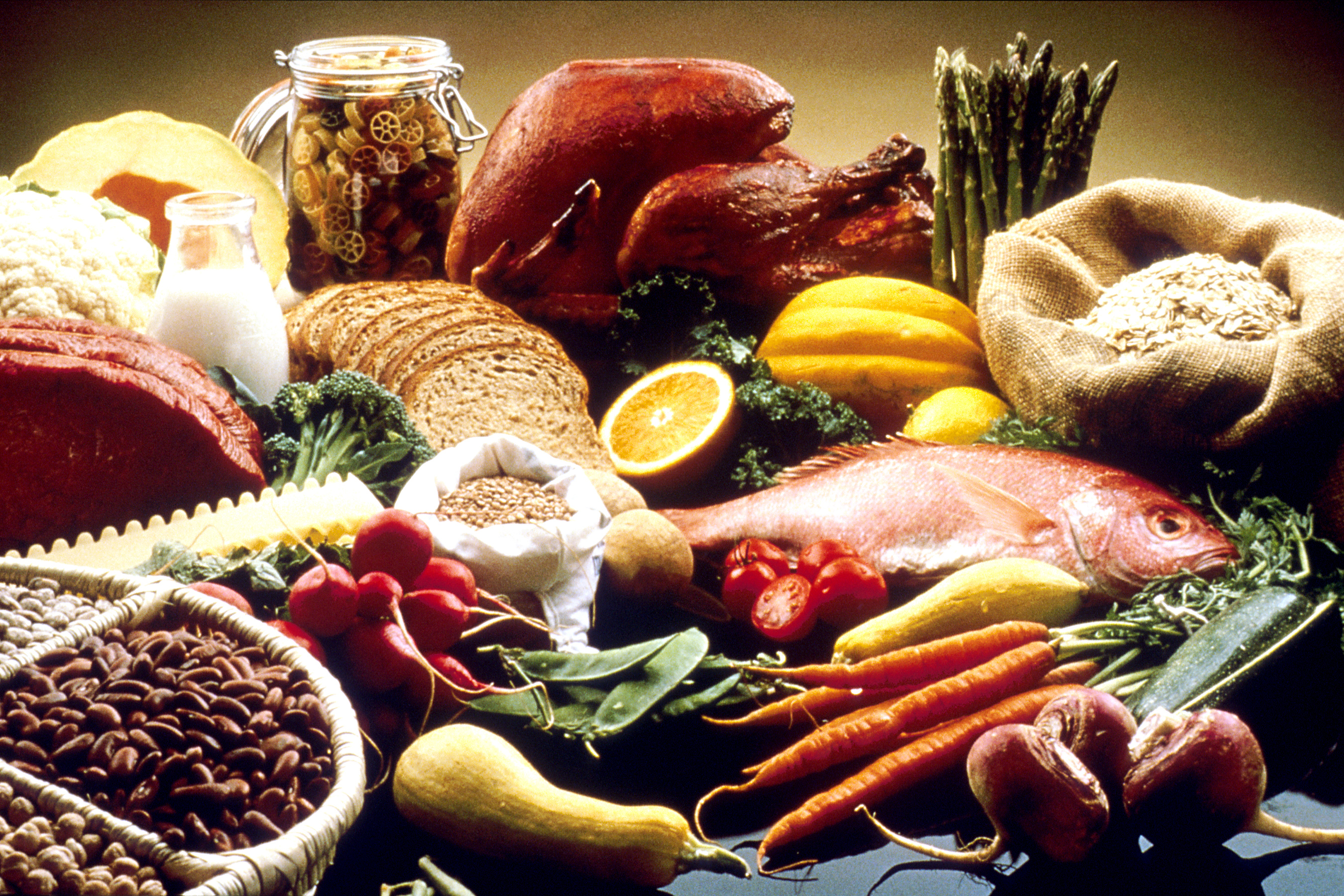
What is a low-fat diet?
A low-fat diet limits total dietary fat, usually by emphasizing vegetables, fruit, legumes, whole grains and lean protein while reducing fried foods, fatty meats, butter, cream and high-fat snack foods. Definitions vary: a plan may be called low fat when fat provides roughly 20–30% of calories, while very-low-fat plans may provide less.
Fat is essential for cell function, hormones and absorption of vitamins A, D, E and K. The goal is therefore not to eliminate fat, but to choose an appropriate amount and favor unsaturated sources over saturated and trans fats.
Potential benefits and limitations
Lower calorie density
Fat supplies 9 calories per gram, so reducing high-fat foods may lower calories without requiring tiny portions.
Cardiovascular pattern
Replacing saturated fat with unsaturated fats and fiber-rich foods can improve LDL cholesterol and heart-health risk.
Not automatically healthy
Low-fat cookies, sweetened yogurt and refined starches can still be calorie-dense and metabolically unfavorable.
Satiety and nutrients
Overrestriction may reduce satisfaction or intake of essential fatty acids and fat-soluble vitamins.
Foods to emphasize and limit
| Emphasize | Use thoughtfully | Limit most often |
|---|---|---|
| Vegetables, fruit, beans and lentils | Avocado, nuts, seeds and olive oil in measured portions | Fried foods and shortening |
| Whole grains and high-fiber starches | Eggs and reduced-fat dairy based on needs | Fatty processed meats |
| Fish, skinless poultry and plant proteins | Lean red meat in appropriate portions | Butter, heavy cream and large cheese portions |
| Water and unsweetened drinks | Low-fat packaged foods after checking sugar and sodium | Sugar-sweetened drinks and refined snack foods |
Sample balanced low-fat day
Breakfast
Oatmeal with berries, plain lower-fat Greek yogurt and cinnamon.
Lunch
Lentil-vegetable soup, a large salad with grilled chicken and a measured vinaigrette.
Snack
Fruit with low-fat cottage cheese, or raw vegetables with bean dip.
Dinner
Baked fish or tofu, roasted vegetables and a modest serving of brown rice or quinoa.
Low-fat diets and weight management
Low-fat and lower-carbohydrate patterns can both support weight loss when they create a sustainable energy deficit and maintain nutritional quality. Adherence, protein, fiber, sleep, activity and long-term follow-up usually matter more than the diet label alone.
People with gallbladder, pancreatic, liver or malabsorption disorders—and those taking glucose-lowering medicines—may need individualized guidance.
How W8MD can help
W8MD physicians and clinicians evaluate weight history, medications, nutrition, body composition, metabolic risk factors and sleep-related barriers before recommending an individualized plan. Available services may include medical weight loss, GLP-1 treatment evaluation, established oral medications, nutrition planning, sleep-apnea care and long-term maintenance support.
When an FDA-approved medication is appropriate and insurance coverage exists, W8MD can review benefits and assist with prior-authorization documentation. Coverage and approval are determined by the health plan.
W8MD can tailor dietary fat, protein, carbohydrate and calorie targets to the patient’s medical conditions, laboratory results, food preferences and weight-loss treatment. The plan can be adjusted for GLP-1-related fullness, reflux, nausea or gallbladder risk.
Frequently asked questions
Does low fat mean fat free?
No. Some dietary fat is essential; the amount and type matter.
Is low fat better than low carbohydrate?
Neither is universally superior. The best option is safe, nutritionally adequate and sustainable for the individual.
Can I eat nuts and olive oil?
Yes, but portions matter because these foods are energy dense.
Authoritative sources
Build a personalized nutrition plan
W8MD Weight Loss, Sleep & MedSpa provides physician-supervised care in Brooklyn, New York and Northeast Philadelphia. Telehealth may be available for eligible patients based on location and applicable requirements.
Contact W8MD