
Glossary of diets
Glossary of diets
Plain-language definitions of popular, therapeutic, cultural and weight-management eating patterns.
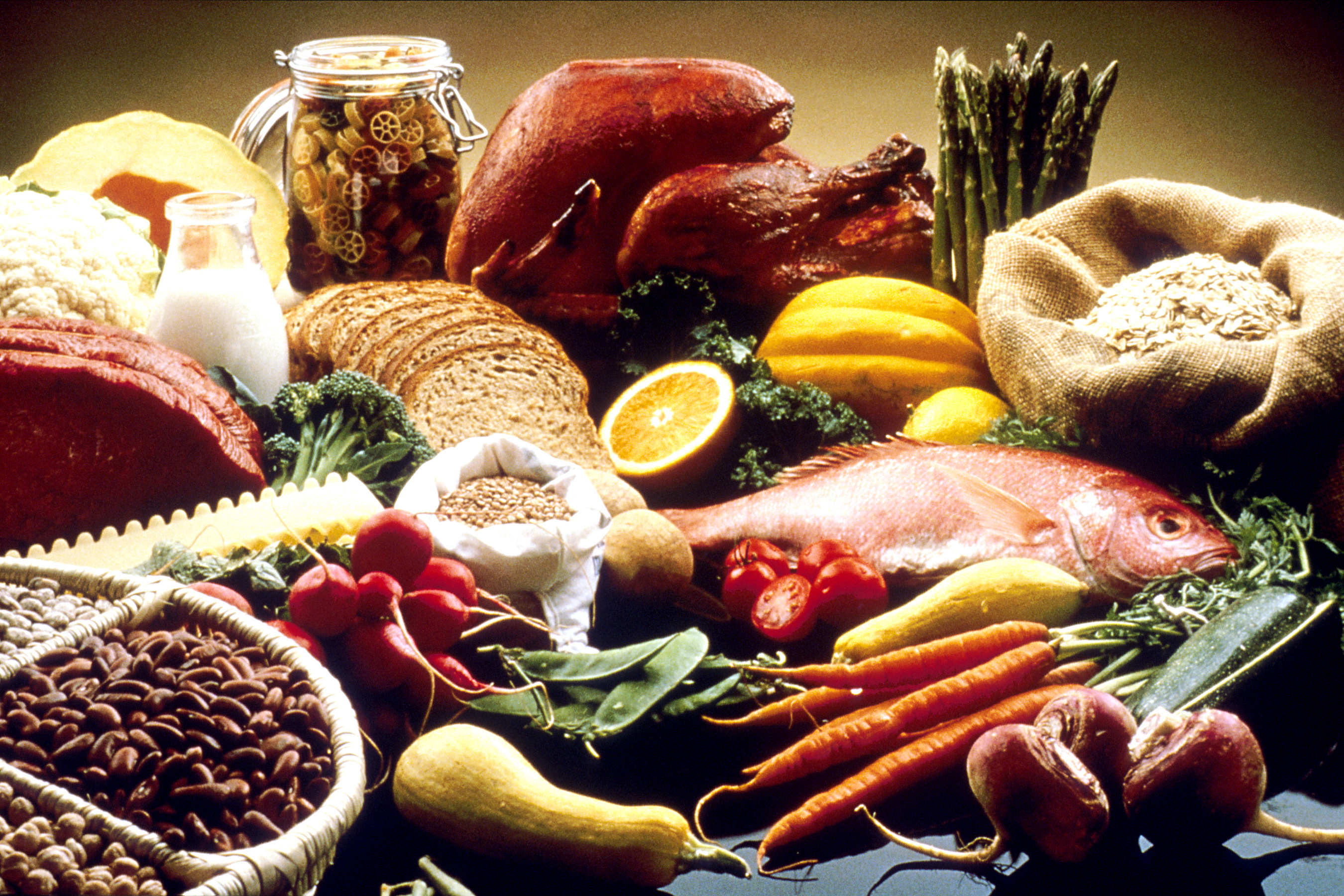
How to use this diet glossary
This glossary explains common diets and eating patterns without ranking one plan as universally best. A useful diet must be nutritionally adequate, medically appropriate, affordable and realistic enough to maintain.
Names can be misleading: two programs using the same label may prescribe very different foods or nutrient targets. Patients with diabetes, kidney disease, pregnancy, eating disorders or medications affected by food intake should seek individualized guidance before making a restrictive change.
Diet terms A–Z
C
- Carnivore diet
- A highly restrictive pattern composed mainly or entirely of animal foods; long-term safety evidence is limited.
D
- DASH diet
- An eating pattern designed to help lower blood pressure, emphasizing vegetables, fruit, whole grains, beans, nuts and lower-fat dairy.
E
- Elimination diet
- A temporary, structured removal and reintroduction plan used to investigate food-related symptoms under guidance.
F
- Flexitarian diet
- A mostly plant-based pattern that includes animal foods occasionally.
- Fad diet
- A restrictive or sensational plan that promises rapid results and often lacks adequate evidence or long-term sustainability.
G
- Gluten-free diet
- A medically necessary diet for celiac disease and some gluten-related disorders; it is not inherently a weight-loss diet.
I
- Intermittent fasting
- A schedule that alternates defined eating periods with fasting periods; examples include time-restricted eating and alternate-day fasting.
K
- Ketogenic diet
- A very-low-carbohydrate, high-fat dietary pattern intended to produce nutritional ketosis.
L
- Low-carbohydrate diet
- An eating plan that reduces carbohydrate intake; definitions and carbohydrate targets vary.
- Low-fat diet
- A pattern that limits total fat, often emphasizing vegetables, fruit, whole grains and lean protein.
- Low-glycemic diet
- A pattern favoring carbohydrate foods that produce a smaller rise in blood glucose.
- Liquid diet
- A plan consisting partly or entirely of liquids; medical versions may be used before procedures or under clinical supervision.
M
- Mediterranean diet
- A flexible pattern rich in vegetables, legumes, whole grains, olive oil, nuts and seafood, with limited highly processed foods.
- Meal-replacement plan
- A structured program replacing one or more meals with portion-controlled shakes, bars or prepared products.
P
- Plant-based diet
- A broad term for patterns centered on foods from plants; it may or may not exclude all animal products.
- Pescatarian diet
- A vegetarian-style pattern that includes fish and seafood.
- Paleo diet
- A modern pattern inspired by presumed preagricultural foods, typically excluding grains and legumes.
R
- Reduced-calorie diet
- Any nutritionally adequate plan that creates an energy deficit appropriate for gradual weight loss.
- Raw food diet
- A pattern centered on uncooked or minimally heated foods; nutritional adequacy and food safety require attention.
- Religious dietary practice
- Food choices shaped by religious rules, such as halal, kosher, Hindu, Jain, Sikh or Christian fasting traditions.
T
- Time-restricted eating
- Eating within a consistent daily window, such as eight to twelve hours.
- Therapeutic diet
- A diet modified to help manage a diagnosed condition, such as kidney disease, diabetes or swallowing difficulty.
V
- Vegan diet
- A diet excluding meat, fish, dairy, eggs and other animal-derived foods.
- Vegetarian diet
- A diet excluding meat and fish; some forms include dairy and eggs.
- Very-low-calorie diet
- A medically supervised plan, often 800 calories per day or less, used for selected patients.
W
- Whole-food diet
- A pattern emphasizing minimally processed foods rather than refined and highly processed products.
Choosing an eating pattern
Health needs
Consider blood glucose, blood pressure, kidney and liver health, gastrointestinal symptoms, allergies and medications.
Nutrition quality
Prioritize adequate protein, fiber, essential fats, vitamins and minerals—not only calorie or carbohydrate targets.
Sustainability
The best plan is one that can be followed across work, family, cultural and financial realities.
Monitoring
Track weight, waist, symptoms, strength and relevant laboratory measures, then adjust instead of treating a diet as fixed doctrine.
How W8MD can help
W8MD can help translate a broad diet label into a practical plan matched to medical history, food preferences, medication treatment and weight-maintenance goals. Options may include lower-carbohydrate eating, ketogenic diet support, portion-controlled meal replacements or a balanced reduced-calorie plan.
Frequently asked questions
Which diet is best for weight loss?
No single diet is best for everyone. Several patterns can work when they create a sustainable energy deficit and provide adequate nutrition.
Is a ketogenic diet necessary with GLP-1 medication?
No. Some patients prefer lower-carbohydrate eating, but medication treatment does not require nutritional ketosis.
Can intermittent fasting be combined with medication?
Sometimes, but fasting can affect hydration, glucose and medication timing. It should be individualized.
Authoritative sources
Request a W8MD consultation
W8MD Weight Loss, Sleep & MedSpa provides physician-supervised care in Brooklyn, New York and Northeast Philadelphia. Telehealth may be available for eligible patients based on location and applicable requirements.
Contact W8MD