
Healthy food choices
Healthy food choices
Practical healthy food choices, label reading, affordable shopping, meal-building and substitutions for weight and metabolic health.
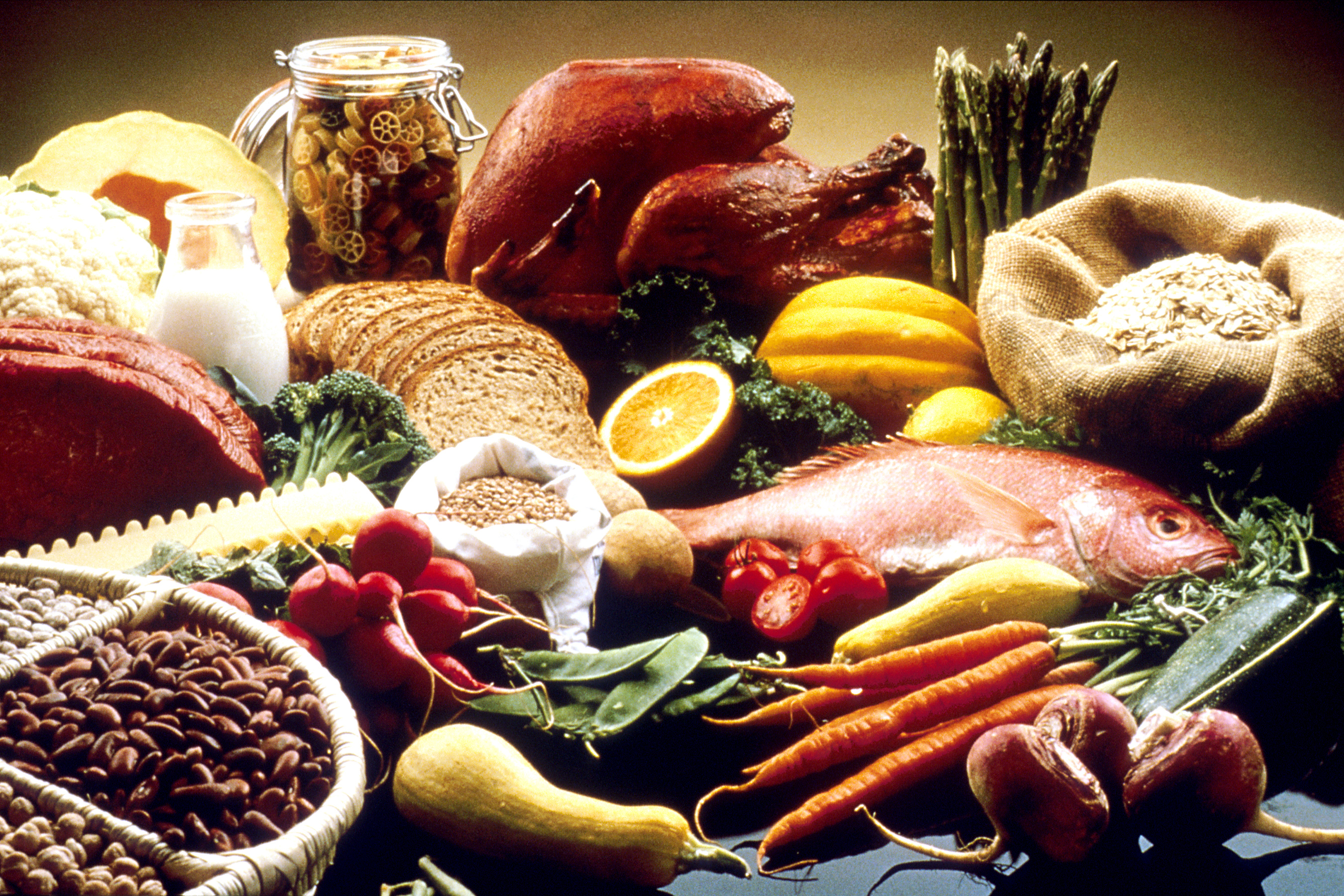
Healthy food choices are patterns, not perfect foods
Healthy eating emphasizes nutrient density, appropriate portions and consistency. No single “superfood” compensates for an otherwise poor pattern, and foods do not need to be expensive or unfamiliar to support health.
A practical shopping framework
Protein
Fish, poultry, eggs, plain dairy, beans, lentils, tofu or lean meat.
Produce
Fresh, frozen and lower-sodium canned vegetables and whole fruit all count.
High-fiber carbohydrate
Beans, oats, intact grains and starchy vegetables in portions matched to goals.
Healthy fats
Nuts, seeds, olive oil and avocado in measured portions.
Reading food labels
| Check | Why it matters | Practical use |
|---|---|---|
| Serving size | All numbers depend on it | Compare with the amount actually eaten |
| Protein and fiber | Support satiety and nutrition | Compare similar products |
| Added sugar | Can add calories without fullness | Prefer unsweetened drinks and lower-sugar staples |
| Sodium | Relevant to blood pressure and fluid retention | Compare brands and portion sizes |
| Ingredients | Shows order by weight and allergens | Do not judge quality by one unfamiliar word alone |
High-value substitutions
- Water or unsweetened drinks instead of sugary beverages
- Whole fruit instead of juice for more fiber and satiety
- Grilled, baked or air-cooked foods instead of routine frying
- Plain yogurt plus fruit instead of heavily sweetened yogurt
- Beans or lentils for some refined starch or processed meat
- Planned protein-rich snacks instead of grazing from packages
Eating well on a budget
Use frozen vegetables, dried or canned beans, eggs, canned fish, bulk oats, seasonal produce and store brands. Plan several meals around overlapping ingredients and freeze portions to reduce waste.
How W8MD can help
W8MD physicians and clinicians evaluate weight history, medications, nutrition, body composition, metabolic risk factors and sleep-related barriers before recommending an individualized plan. Available services may include medical weight loss, GLP-1 treatment evaluation, established oral medications, nutrition planning, sleep-apnea care and long-term maintenance support.
When an FDA-approved medication is appropriate and insurance coverage exists, W8MD can review benefits and assist with prior-authorization documentation. Coverage and approval are determined by the health plan.
W8MD helps patients translate broad advice into a shopping list, portions and meal structure that fits medication effects, diabetes, culture and budget. The goal is repeatable improvement, not dietary perfection.
Frequently asked questions
Are frozen vegetables healthy?
Yes. Plain frozen produce is nutritious and often economical.
Must I avoid all carbohydrates?
No. Type, portion, fiber and individual glucose response matter.
Are foods labeled natural healthier?
Not necessarily. Use the Nutrition Facts panel and overall pattern.
Authoritative sources
Turn healthy choices into a practical plan
W8MD Weight Loss, Sleep & MedSpa provides physician-supervised care in Brooklyn, New York and Northeast Philadelphia. Telehealth may be available for eligible patients based on location and applicable requirements.
Contact W8MD