Actions

Weight loss surgery

From W8MD weight loss and sleep centers

Weight loss surgery, also called bariatric or metabolic surgery, alters the digestive system to promote weight loss and improve obesity-related metabolic disease


Weight loss surgery
Weight loss surgery
Weight loss surgery can produce major weight loss, but many patients later need long-term medical weight management to prevent or treat weight regain
Specialty Bariatric surgery, metabolic surgery, obesity medicine, endocrinology, nutrition, sleep medicine
Uses Obesity, morbid obesity, type 2 diabetes, sleep apnea, hypertension, metabolic syndrome, fatty liver disease, weight regain


Related Weight management, weight loss maintenance, weight cycling, obesity medicine, W8MD Weight Loss, Sleep and MedSpa
W8MD Team
W8MD Weight Loss, Sleep and MedSpa helps patients who are considering surgery, trying to avoid surgery, or regaining weight after prior bariatric surgery.
Modern medical weight management may include GLP-1 weight loss injections, Tirzepatide, Semaglutide, prescription diet pills, nutrition counseling, and long-term follow-up.
Long-term success after major weight loss requires maintenance, relapse prevention, and medical follow-up.
W8MD has helped thousands of patients lose weight and maintain results through physician-supervised medical weight management.
Structured meal replacements may help selected patients after bariatric surgery or as an alternative to surgery.
Sleep apnea is common in obesity and may improve with weight loss, but it also needs diagnosis and treatment.
Nutrition quality, protein intake, hydration, micronutrients, and long-term adherence are essential after bariatric surgery and during GLP-1 medical weight loss.

Weight loss surgery, also called bariatric surgery or metabolic surgery, is a group of medical procedures that alter the digestive system to promote weight loss and improve obesity-related metabolic disease. Common procedures include sleeve gastrectomy, Roux-en-Y gastric bypass, biliopancreatic diversion with duodenal switch, and, less commonly today, adjustable gastric banding. These procedures may reduce stomach size, alter gut hormone signaling, change food intake, reduce absorption, or combine several mechanisms.

Weight loss surgery can produce substantial weight loss and improvement in conditions such as type 2 diabetes, sleep apnea, hypertension, fatty liver disease, and metabolic syndrome. However, surgery is not a cure for obesity. Obesity is a chronic, relapsing medical condition, and many patients experience weight regain years after surgery. For this reason, long-term medical weight management is often needed before surgery, after surgery, or instead of surgery.

Modern GLP-1 weight loss injections and related incretin medications, especially Tirzepatide, have changed the treatment landscape. Tirzepatide has produced average weight loss approaching the range of some bariatric surgery outcomes in major clinical trials, while avoiding irreversible alteration of the digestive tract. In the SURMOUNT-5 head-to-head trial, tirzepatide produced greater weight reduction than semaglutide in adults with obesity but without diabetes, with a mean body-weight reduction of about 20.2% at 72 weeks."Tirzepatide as Compared with Semaglutide for the Treatment of Obesity".New England Journal of Medicine.2025;doi:10.1056/NEJMoa2416394.PMID:40353578. In long-term SURMOUNT-1 follow-up, tirzepatide produced sustained weight reduction through 176 weeks, with mean body-weight changes of −12.3%, −18.7%, and −19.7% across the 5 mg, 10 mg, and 15 mg doses, respectively."Tirzepatide for Obesity Treatment and Diabetes Prevention".New England Journal of Medicine.2025;doi:10.1056/NEJMoa2410819.PMID:39536238.

W8MD Weight Loss, Sleep and MedSpa sees many patients who have had weight loss surgery in the past and later regained weight, plateaued, developed nutritional challenges, or needed renewed medical weight management. W8MD’s approach emphasizes long-term obesity care using nutrition counseling, GLP-1 weight loss injections, Semaglutide, Tirzepatide, prescription diet pills, meal replacements, exercise counseling, sleep apnea evaluation, and weight loss maintenance strategies.

Overview

Weight loss surgery is usually considered for patients with clinically significant obesity, especially when obesity-related conditions are present. It is not simply a cosmetic procedure. It is a metabolic intervention intended to reduce disease risk and improve health.

Potential goals include:

The American Society for Metabolic and Bariatric Surgery describes metabolic and bariatric surgery as an effective treatment for severe obesity, with patients often losing substantial excess weight in the first 1 to 2 years and maintaining meaningful excess weight loss at 5 years.Metabolic and Bariatric Surgery(link). American Society for Metabolic and Bariatric Surgery.

Types of weight loss surgery

Sleeve gastrectomy

Sleeve gastrectomy, also called gastric sleeve surgery, removes a large portion of the stomach and creates a narrow tube-shaped stomach. It reduces the amount of food that can be eaten and may lower levels of hunger-related hormones such as ghrelin.

Potential advantages include:

  • Simpler anatomy than gastric bypass
  • No intestinal bypass
  • Substantial weight loss
  • Improvement in type 2 diabetes and sleep apnea in many patients
  • Shorter operative complexity than bypass in many cases

Potential disadvantages include:

  • Irreversible stomach removal
  • Risk of reflux or worsening GERD
  • Weight regain in some patients
  • Need for lifelong nutrition follow-up
  • Possible need for conversion to another procedure

Roux-en-Y gastric bypass

Roux-en-Y gastric bypass creates a small stomach pouch and connects it directly to a segment of small intestine, bypassing the rest of the stomach and part of the small intestine. It reduces food intake, changes nutrient flow, and alters gut hormone signaling.

Potential advantages include:

  • Strong weight-loss effect
  • Long history of use
  • Significant improvement in type 2 diabetes
  • May improve severe reflux in selected patients
  • Durable outcomes in many patients

Potential disadvantages include:

  • More complex anatomy
  • Risk of marginal ulcers
  • Risk of internal hernia
  • Dumping syndrome
  • Nutritional deficiencies
  • Medication absorption changes
  • Weight regain in some patients

A 2024 ASMBS summary of long-term gastric bypass data reported peak weight loss of 31.8% after 18 months, stabilizing at about 23% after 10 years and up to 20 years in the study discussed.New Study Shows Long-term Effectiveness of Gastric Bypass in Treating Type 2 Diabetes and Obesity(link). American Society for Metabolic and Bariatric Surgery.June 12, 2024.

Biliopancreatic diversion with duodenal switch

Biliopancreatic diversion with duodenal switch is a more complex bariatric surgery that combines sleeve-like stomach reduction with significant intestinal bypass. It can produce major weight loss but also carries higher nutritional risk.

Potential concerns include:

  • Protein malnutrition risk
  • Vitamin deficiency risk
  • Mineral deficiency risk
  • Diarrhea or malabsorption
  • Need for intensive long-term monitoring

Adjustable gastric band

Adjustable gastric banding places an inflatable band around the upper stomach. It is used less commonly today because of lower long-term effectiveness, device-related complications, reoperations, and weight regain in many patients.

How weight loss surgery works

Weight loss surgery works through several mechanisms:

  • Reduced stomach capacity
  • Earlier fullness
  • Reduced food intake
  • Altered gut hormones
  • Changes in hunger and satiety
  • Altered bile acid signaling
  • Changes in nutrient absorption in bypass procedures
  • Changes in food tolerance
  • Behavioral reinforcement through smaller portions

Weight loss surgery is not simply mechanical restriction. The strongest procedures also affect hormone signaling, glucose metabolism, appetite, and energy balance.

Who may qualify for weight loss surgery?

Eligibility depends on guidelines, medical history, BMI, comorbidities, and surgical evaluation. In general, metabolic and bariatric surgery may be considered for patients with severe obesity or obesity with significant medical complications.

Potential candidates may include patients with:

  • BMI 40 kg/m² or higher
  • BMI 35 kg/m² or higher with obesity-related conditions
  • BMI 30-34.9 kg/m² with difficult-to-control metabolic disease in selected cases
  • Type 2 diabetes
  • Sleep apnea
  • Hypertension
  • Fatty liver disease
  • Severe weight-related joint disease

Final eligibility should be determined by a qualified bariatric surgery program and medical team.

Benefits of weight loss surgery

Weight loss surgery can be beneficial for selected patients.

Potential benefits include:

  • Substantial weight loss
  • Improved type 2 diabetes control
  • Diabetes remission in some patients
  • Lower blood pressure
  • Improved triglycerides
  • Improved sleep apnea
  • Reduced fatty liver disease
  • Improved mobility
  • Reduced joint pain
  • Improved fertility in some patients
  • Reduced need for some medications
  • Improved quality of life

Risks of weight loss surgery

Weight loss surgery is powerful but invasive. Risks vary by procedure, patient health, surgeon experience, and follow-up quality.

Possible risks include:

  • Bleeding
  • Infection
  • Blood clots
  • Leak
  • Stricture
  • Ulcer
  • Reflux
  • Dumping syndrome
  • Gallstones
  • Dehydration
  • Protein malnutrition
  • Vitamin B12 deficiency
  • Iron deficiency
  • Calcium and vitamin D deficiency
  • Thiamine deficiency
  • Hair loss
  • Changes in alcohol sensitivity
  • Pregnancy-related concerns after rapid weight loss
  • Need for revision surgery
  • Weight regain

Weight regain after weight loss surgery

Many patients lose substantial weight after surgery but later regain some or much of it. This is one of the most important reasons long-term medical weight management is needed.

Weight regain may occur because of:

  • Biological drive to regain weight
  • Increased hunger over time
  • Return of food cravings
  • Grazing and snacking
  • Liquid calories
  • Ultra-processed foods
  • Alcohol intake
  • Loss of follow-up
  • Inadequate protein intake
  • Poor sleep
  • Untreated sleep apnea
  • Stress eating
  • Depression or anxiety
  • Anatomical changes
  • Medication-related weight gain
  • Hormonal and metabolic adaptation

A review on weight regain and insufficient weight loss after bariatric surgery reported that long-term weight regain after sleeve gastrectomy may be substantial, with one cited long-term follow-up estimate around 27.8% weight regain at 7 or more years."Weight Regain and Insufficient Weight Loss After Bariatric Surgery: Definitions, Prevalence, Mechanisms, Predictors, Prevention and Management Strategies, and Knowledge Gaps".Obesity Surgery.2021;PMID:33710403.PMC:8012333.

A 2023 review described weight regain after bariatric surgery as a common problem and noted that a systematic review found significant weight regain in up to 76% of sleeve gastrectomy patients at 6-year follow-up."Weight Regain After Bariatric Surgery: Scope of the Problem, Causes, Prevention, and Treatment".Current Diabetes Reports.2023;PMID:36752992.PMC:9906605.

A 2024 systematic review reported that weight regain was prevalent after bariatric surgery and emphasized the need for lifestyle changes and dietary treatment after surgery."Weight regain after bariatric surgery: A systematic review and meta-analysis".Surgery for Obesity and Related Diseases.2024;doi:10.1016/j.soard.2023.06.001.

A 2025 ten-year follow-up study reported mean weight regain of 28% at 10 years, higher after sleeve gastrectomy than Roux-en-Y gastric bypass, and found that 56.7% of participants met criteria as regainers."Ten-Year Weight Regain after Bariatric Surgery".Obesity Surgery.2025;PMC:12707930.

Why surgery alone may not be enough

Surgery changes anatomy, but it does not remove the chronic biology of obesity. Long-term weight control still depends on nutrition, sleep, activity, medications when appropriate, mental health, follow-up, and relapse prevention.

Surgery alone may fail when patients have:

  • No maintenance plan
  • No nutrition follow-up
  • Poor protein intake
  • Grazing behavior
  • Liquid calories
  • Untreated sleep apnea
  • Depression or emotional eating
  • Alcohol use
  • Medication-related weight gain
  • Stopping follow-up after the first year

GLP-1 injections as an alternative or follow-up treatment

GLP-1 weight loss injections and related incretin medications have become major alternatives to bariatric surgery for many patients and important follow-up tools for patients who regain weight after surgery.

Common medications include:

The FDA approved Tirzepatide or Zepbound for chronic weight management in adults with obesity or overweight with at least one weight-related condition, in addition to reduced-calorie diet and increased physical activity.FDA Approves New Medication for Chronic Weight Management(link). U.S. Food and Drug Administration.November 8, 2023.

The FDA approved Semaglutide or Wegovy to reduce the risk of major adverse cardiovascular events in adults with established cardiovascular disease and either obesity or overweight.FDA Approves First Treatment to Reduce Risk of Serious Heart Problems Specifically in Adults with Obesity or Overweight(link). U.S. Food and Drug Administration.March 8, 2024.

Tirzepatide compared with semaglutide

Tirzepatide is a dual GIP and GLP-1 receptor agonist. In head-to-head clinical trial evidence, tirzepatide has shown superior average weight loss compared with semaglutide for obesity treatment.

In the SURMOUNT-5 trial, adults with obesity but without diabetes were assigned to tirzepatide or semaglutide. Tirzepatide was superior to semaglutide for body-weight reduction and waist-circumference reduction at week 72, with a least-squares mean body-weight change of about −20.2% for tirzepatide."Tirzepatide as Compared with Semaglutide for the Treatment of Obesity".New England Journal of Medicine.2025;doi:10.1056/NEJMoa2416394.PMID:40353578.

Tirzepatide compared with weight loss surgery

Tirzepatide has produced weight-loss results that approach some bariatric surgery outcomes, especially when compared with the average long-term maintained weight loss reported after common procedures. However, direct comparisons are difficult because surgery studies and medication trials differ in patient selection, follow-up duration, endpoints, adherence, and whether medication is continued.

Treatment Typical evidence-based weight-loss range Key point
Sleeve gastrectomy Often substantial early weight loss; significant long-term regain can occur in some patients Effective but irreversible; reflux, deficiencies, and regain are concerns
Roux-en-Y gastric bypass Some long-term studies report peak weight loss around 31.8% and long-term stabilization around 23% Durable for many patients but invasive and requires lifelong monitoring
Semaglutide Large clinical trials show clinically meaningful weight loss; less than tirzepatide in head-to-head obesity trial Non-surgical but requires continuation for maintenance in many patients
Tirzepatide SURMOUNT-5 reported about 20.2% mean weight reduction at 72 weeks; long-term SURMOUNT-1 doses showed sustained reductions through 176 weeks Approaches bariatric surgery ranges for many patients without anatomical alteration
W8MD long-term medical weight management Individualized; may combine medication, nutrition, sleep, activity, and maintenance Designed to treat obesity as a chronic disease and prevent regain

A balanced interpretation is that bariatric surgery can still produce the largest and most durable weight loss for some patients with severe obesity, especially when paired with long-term follow-up. However, modern medications such as tirzepatide now offer surgery-level or near-surgery-level results for many patients without an operation, and they can also help patients who regain weight after surgery.

Why GLP-1 and Tirzepatide may be preferable for many patients

For many patients, medical weight management with GLP-1 or Tirzepatide may be preferable before considering surgery because it is less invasive and reversible.

Potential advantages include:

  • No permanent surgical anatomy change
  • No operative risk
  • No anastomotic leak risk
  • No intestinal bypass
  • Lower risk of severe micronutrient malabsorption than bypass procedures
  • Adjustable dosing
  • Can be stopped or changed if side effects occur
  • Can be combined with nutrition counseling and meal replacements
  • May reduce hunger, cravings, and food noise
  • May help after prior surgery-related regain

Potential disadvantages include:

  • Requires ongoing treatment for many patients
  • Cost and insurance barriers
  • Gastrointestinal side effects
  • Weight regain after stopping in many patients
  • Contraindications in selected patients
  • Less long-term surgical-level outcome data beyond several years

Medication discontinuation and regain

Like surgery, medication treatment also requires a long-term plan. Stopping GLP-1 or incretin therapy can lead to weight regain in many patients.

The STEP 1 trial extension found that after withdrawal of once-weekly semaglutide 2.4 mg and lifestyle intervention, participants regained a substantial portion of prior weight loss and cardiometabolic benefits moved toward baseline."Weight regain and cardiometabolic effects after withdrawal of semaglutide: The STEP 1 trial extension".Diabetes, Obesity and Metabolism.2022;PMID:35441470.PMC:9542252.

The SURMOUNT-4 randomized trial found that continued tirzepatide helped maintain and increase weight reduction, while switching to placebo led to substantial weight regain."Continued Treatment With Tirzepatide for Maintenance of Weight Reduction in Adults With Obesity".JAMA.2024;PMID:38078870.

W8MD view: surgery is not the end of obesity care

W8MD frequently sees patients who had weight loss surgery years earlier and later need medical weight management because of:

  • Weight regain after gastric sleeve
  • Weight regain after gastric bypass
  • Insufficient weight loss after surgery
  • Return of hunger and cravings
  • Emotional eating
  • Grazing and snacking
  • Food tolerance changes
  • Nutritional deficiencies
  • Reflux after sleeve gastrectomy
  • Sleep apnea recurrence or persistence
  • Need for GLP-1 or Tirzepatide after surgery
  • Need for long-term maintenance

W8MD’s clinical philosophy is that obesity should be managed long term, whether the patient chooses surgery, medications, or lifestyle-based medical weight loss. Surgery may be a powerful tool, but long-term medical follow-up is still essential.

How W8MD can help before surgery

For patients considering bariatric surgery, W8MD can help with a medically supervised non-surgical approach first.

W8MD may help with:

Some patients may lose enough weight with medical management to delay surgery, avoid surgery, or lower surgical risk if surgery is still needed.

How W8MD can help after surgery

Patients who have already had bariatric surgery may still need structured obesity medicine care.

W8MD may help post-surgery patients with:

  • Weight regain evaluation
  • Hunger and craving control
  • Post-surgery meal planning
  • Protein intake planning
  • Meal replacements when appropriate
  • GLP-1 or Tirzepatide therapy when medically appropriate
  • Traditional prescription diet pills when appropriate
  • Vitamin and lab review coordination
  • Sleep apnea screening
  • Exercise and strength training
  • Relapse prevention
  • Long-term maintenance visits

W8MD long-term weight management approach

W8MD’s approach is often a better long-term strategy than viewing surgery as a one-time solution because it treats obesity as a chronic disease needing ongoing management.

Problem Surgery-only approach W8MD long-term approach
Hunger returns Patient may feel surgery “failed” Evaluate medications, protein intake, meal timing, sleep, and cravings
Weight regain Often addressed late after major regain Monitor early and intervene before regain becomes severe
Poor diet quality Anatomy alone does not fix food choices Nutrition counseling and culturally customized meal planning
Sleep apnea May persist or recur Sleep testing and CPAP/APAP support when appropriate
Medication needs Not always integrated after surgery GLP-1, Tirzepatide, or traditional diet pills when medically appropriate
Long-term maintenance Follow-up may decline after surgery Ongoing obesity medicine follow-up
Emotional eating Surgery does not directly treat it Behavior modification and referral when needed

Traditional prescription diet pills after or instead of surgery

Traditional prescription diet pills may help selected patients who are not candidates for GLP-1 therapy, cannot access GLP-1 therapy, or need additional support.

Options may include:

The NIDDK lists several prescription medications used to treat overweight and obesity, including orlistat, phentermine/topiramate, naltrexone/bupropion, liraglutide, semaglutide, and tirzepatide.Prescription Medications to Treat Overweight and Obesity(link). National Institute of Diabetes and Digestive and Kidney Diseases.

Nutrition after weight loss surgery

Nutrition after bariatric surgery requires special attention.

Important nutrition goals include:

  • Adequate protein
  • Hydration
  • Small meals
  • Avoidance of liquid calories
  • Avoidance of grazing
  • Vitamin supplementation
  • Iron monitoring
  • Vitamin B12 monitoring
  • Calcium and vitamin D support
  • Avoidance of high-sugar foods
  • Alcohol caution
  • Long-term lab follow-up

Protein and lean mass preservation

Patients after surgery or medication-assisted weight loss may lose muscle unless protein and resistance training are emphasized.

Strategies include:

  • Protein-first meals
  • Protein shakes or meal replacements when appropriate
  • Strength training
  • Resistance bands
  • Gradual activity progression
  • Adequate hydration
  • Monitoring weakness or fatigue

Sleep apnea and weight loss surgery

Sleep apnea is common in patients with obesity and may improve after major weight loss, but it does not always resolve. Untreated sleep apnea can worsen hunger, fatigue, insulin resistance, blood pressure, and weight regain.

W8MD may help with:

  • Sleep apnea screening
  • Snoring evaluation
  • Home sleep testing
  • CPAP
  • BiPAP
  • APAP
  • Weight and sleep counseling
  • Zepbound evaluation for eligible adults with obesity and moderate-to-severe OSA

The FDA approved Zepbound as the first medication for moderate-to-severe obstructive sleep apnea in adults with obesity.FDA Approves First Medication for Obstructive Sleep Apnea(link). U.S. Food and Drug Administration.December 20, 2024.

Affordable W8MD medical weight management options

W8MD options before or after weight loss surgery

W8MD offers physician-supervised medical weight-management options for eligible patients, including patients who want to avoid surgery and patients who regained weight after surgery.

  • Semaglutide starting as low as $29.99/week and up with insurance for qualifying medical visits.
  • Tirzepatide starting as low as $45.00/week and up with insurance for qualifying medical visits.
  • Self-pay GLP-1 options may start from $59.99/week and up when available and medically appropriate.
  • Traditional prescription diet pills may be available for eligible patients when clinically appropriate.
  • Nutrition counseling, meal replacements, sleep apnea care, and long-term follow-up may help prevent or treat weight regain.
  • Pricing, eligibility, medication access, dosing, insurance coverage, prior authorization, pharmacy availability, telemedicine availability, and program details vary by patient, medication, location, and medical evaluation.

W8MD patient success highlight

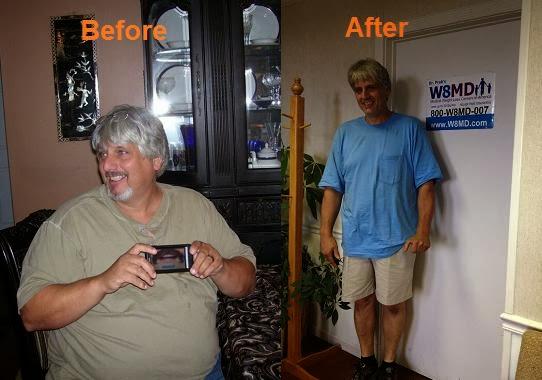
W8MD has helped thousands of patients since 2011. Individual results vary, but W8MD success stories include patients who lost more than 100 pounds and maintained long-term results.

Fantastic program. Truly a life changer.

“FANTASTIC program! Truly a life changer! The first several months I lost on average 3 pounds a week. I have now lost 87 pounds in 10 months and I'm still losing! I can say it feels almost effortless, for with the elimination of most carbs plus the medication I have ZERO cravings and minimal hunger. My cholesterol, blood pressure, and blood sugar have all returned to normal having previously been considerably elevated. I look and feel twenty years younger (I am 57.) Staff is friendly and supportive, and the science works. I did not think that I would be able to achieve such results, and certainly not in less than a year. I am amazed at my success, and I could not have done it without Dr. Tumpati and W8MD.”

- D.M., actual W8MD patient who lost 100 lbs and has maintained the weight loss for over 10 years. Individual results vary.

W8MD locations

Location Address Phone Services Map
Brooklyn / New York City Weight Loss and MedSpa Center 2632 E 21st Street, Suite L3, Brooklyn, NY 11235 (718) 946-5500 Medical weight loss, weight loss surgery support, post-bariatric weight regain care, GLP-1 weight loss injections, nutrition counseling, exercise counseling, sleep medicine, MedSpa View map
Philadelphia / Greater Philadelphia Weight Loss and MedSpa Center 1718 Welsh Road, 2nd Floor, Suite C, Philadelphia, PA 19115 (215) 676-2334 Medical weight loss, weight loss surgery support, post-bariatric weight regain care, GLP-1 weight loss injections, nutrition counseling, exercise counseling, sleep medicine, wellness services View map

When to seek medical weight management after surgery

Patients who had bariatric surgery should seek medical weight-management help when they experience:

  • Weight regain
  • Hunger returning
  • Frequent snacking or grazing
  • Liquid calorie intake
  • Emotional eating
  • Low protein intake
  • Fatigue or weakness
  • Vitamin deficiencies
  • Reflux after sleeve gastrectomy
  • Sleep apnea symptoms
  • Diabetes or prediabetes recurrence
  • Difficulty maintaining weight loss

Frequently asked questions

What is weight loss surgery?

Weight loss surgery is a medical procedure that changes the digestive system to promote weight loss. Common procedures include gastric sleeve, gastric bypass, duodenal switch, and adjustable gastric banding.

Is weight loss surgery a cure for obesity?

No. Surgery is a powerful tool, but obesity is a chronic disease. Long-term follow-up, nutrition, activity, sleep care, and sometimes medications are still needed.

How does tirzepatide compare with weight loss surgery?

Tirzepatide has produced weight loss approaching some bariatric surgery ranges in major trials. Surgery may still produce larger and more durable weight loss for some patients, but tirzepatide avoids permanent anatomy changes and can be used before surgery, instead of surgery, or after surgery-related regain.

Is tirzepatide better than semaglutide?

In the SURMOUNT-5 head-to-head trial, tirzepatide produced greater average weight loss than semaglutide in adults with obesity but without diabetes.

Can GLP-1 medications help after bariatric surgery?

Yes. GLP-1 and related medications may help selected patients with weight regain after gastric sleeve or gastric bypass when medically appropriate.

Why do people regain weight after surgery?

Weight regain can occur because of hunger biology, grazing, liquid calories, poor sleep, emotional eating, loss of follow-up, anatomical changes, medication effects, or metabolic adaptation.

Can W8MD help patients who already had weight loss surgery?

Yes. W8MD sees many patients who had bariatric surgery in the past and later need medical weight management, GLP-1 therapy, Tirzepatide, nutrition counseling, sleep apnea care, and long-term maintenance support.

Can W8MD help patients avoid surgery?

Yes. Some patients may be able to avoid or delay surgery through physician-supervised medical weight loss, GLP-1 medications, Tirzepatide, diet pills, meal replacements, nutrition counseling, and sleep medicine.

Conclusion

Weight loss surgery is a powerful treatment for obesity and metabolic disease, but it is not a one-time cure. Many patients regain weight years after gastric sleeve, gastric bypass, or other bariatric procedures and require renewed medical weight management. Modern GLP-1 and incretin therapies, especially Tirzepatide, have produced weight-loss results that approach some bariatric surgery outcomes while avoiding irreversible digestive-tract alteration. Bariatric surgery may still be appropriate for selected patients with severe obesity, but long-term obesity care remains essential before and after surgery. W8MD Weight Loss, Sleep and MedSpa can help patients who want to avoid surgery, prepare for surgery, or treat weight regain after surgery using physician-supervised medical weight management, GLP-1 injections, Tirzepatide, Semaglutide, prescription diet pills, nutrition counseling, meal replacements, sleep apnea care, exercise counseling, and long-term maintenance.

See also

Relevant WikiMD links

Further reading

  • Metabolic and Bariatric Surgery(link). American Society for Metabolic and Bariatric Surgery.
  • Bariatric Surgery Procedures(link). American Society for Metabolic and Bariatric Surgery.
  • New Study Shows Long-term Effectiveness of Gastric Bypass in Treating Type 2 Diabetes and Obesity(link). American Society for Metabolic and Bariatric Surgery.June 12, 2024.
  • "Weight Regain and Insufficient Weight Loss After Bariatric Surgery: Definitions, Prevalence, Mechanisms, Predictors, Prevention and Management Strategies, and Knowledge Gaps".Obesity Surgery.2021;PMID:33710403.PMC:8012333.
  • "Weight Regain After Bariatric Surgery: Scope of the Problem, Causes, Prevention, and Treatment".Current Diabetes Reports.2023;PMID:36752992.PMC:9906605.
  • "Weight regain after bariatric surgery: A systematic review and meta-analysis".Surgery for Obesity and Related Diseases.2024;doi:10.1016/j.soard.2023.06.001.
  • "Ten-Year Weight Regain after Bariatric Surgery".Obesity Surgery.2025;PMC:12707930.
  • "Tirzepatide as Compared with Semaglutide for the Treatment of Obesity".New England Journal of Medicine.2025;doi:10.1056/NEJMoa2416394.PMID:40353578.
  • "Tirzepatide for Obesity Treatment and Diabetes Prevention".New England Journal of Medicine.2025;doi:10.1056/NEJMoa2410819.PMID:39536238.
  • "Weight regain and cardiometabolic effects after withdrawal of semaglutide: The STEP 1 trial extension".Diabetes, Obesity and Metabolism.2022;PMID:35441470.PMC:9542252.
  • "Continued Treatment With Tirzepatide for Maintenance of Weight Reduction in Adults With Obesity".JAMA.2024;PMID:38078870.
  • Prescription Medications to Treat Overweight and Obesity(link). National Institute of Diabetes and Digestive and Kidney Diseases.
  • FDA Approves New Medication for Chronic Weight Management(link). U.S. Food and Drug Administration.November 8, 2023.
  • FDA Approves First Treatment to Reduce Risk of Serious Heart Problems Specifically in Adults with Obesity or Overweight(link). U.S. Food and Drug Administration.March 8, 2024.
  • FDA Approves First Medication for Obstructive Sleep Apnea(link). U.S. Food and Drug Administration.December 20, 2024.

External links