
Low-calorie diet
Low-calorie diet
Low-calorie diet planning, LCD versus VLCD, protein and muscle preservation, safety monitoring and long-term maintenance.
What is a low-calorie diet?
A low-calorie diet (LCD) reduces energy intake enough to produce weight loss while aiming to meet protein, vitamin, mineral, fiber and fluid needs. It is different from a very-low-calorie diet (VLCD), which often provides 800 calories per day or less and requires close medical supervision.
Calorie targets should reflect body size, age, sex, activity, medical conditions and medications. A fixed number is not appropriate for everyone.
LCD compared with VLCD
| Feature | Low-calorie diet | Very-low-calorie diet |
|---|---|---|
| Energy | Reduced but generally above VLCD range | Often 800 calories/day or less |
| Foods | Usually conventional foods, sometimes meal replacements | Often formulated meal replacements |
| Supervision | Clinical guidance recommended | Medical supervision essential |
| Use | Gradual chronic weight management | Selected patients needing more rapid structured loss |
| Risks | Hunger, constipation, nutrient gaps, muscle loss | Greater risk of gallstones, electrolyte problems, medication-related hypoglycemia and lean-mass loss |
Elements of a nutritionally sound plan
- Adequate individualized protein distributed through the day
- Vegetables, fruit and fiber-rich carbohydrate in appropriate portions
- Essential fats and sufficient micronutrients
- Water and an individualized bowel plan
- Resistance activity and adequate recovery
- Medication adjustments as weight and intake change
- A transition and maintenance plan before the intensive phase ends
Who needs medical supervision?
- People using insulin, sulfonylureas, blood-pressure medicines or diuretics
- People with kidney, liver, gallbladder or heart disease
- Pregnant or breastfeeding people and adolescents
- Older adults, frail patients or people with sarcopenia
- Anyone with an eating disorder or unexplained weight loss
- Patients combining significant restriction with GLP-1 or other appetite-suppressing therapy
Rate of loss and adaptation
Early scale change includes water as well as fat. As weight decreases, energy needs and appetite signals adapt, so plateaus are expected. Faster is not always better: muscle, strength, gallbladder health, hydration and long-term adherence matter.
How W8MD can help
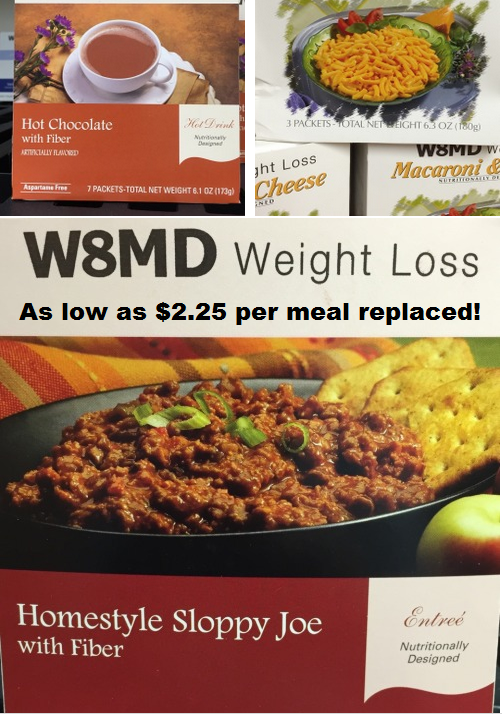
W8MD can prescribe a reduced-calorie plan or a medically supervised meal-replacement/VLCD program for appropriate patients, monitor vital signs and body composition, adjust weight medicines and help transition to maintenance. The objective is clinically meaningful, sustainable loss—not the lowest possible calorie intake.
Frequently asked questions
Is 1,200 calories appropriate for everyone?
No. It may be too low or too high depending on the individual and should not be treated as a universal prescription.
Can I combine an LCD with GLP-1 treatment?
Sometimes, but intake, hydration, gastrointestinal symptoms, protein and medication effects require monitoring.
Why did weight loss slow?
Lower body weight reduces energy needs and biological adaptation increases resistance to further loss; the plan may need adjustment.
Authoritative sources
Request a medically supervised calorie plan
W8MD Weight Loss, Sleep & MedSpa provides physician-supervised care in Brooklyn, New York and Northeast Philadelphia. Telehealth may be available for eligible patients based on location and applicable requirements.
Contact W8MD