What are some protein-rich foods?
From W8MD weight loss and sleep centers
Foods that are naturally rich in dietary protein
| Protein-rich foods | |
|---|---|
| Examples of protein-rich foods from animal and plant sources | |
| Type | Nutrition, high-protein diet, weight loss diet, medical nutrition therapy
|
| Purpose | Support muscle mass, tissue repair, satiety, weight management, and overall health |
| Foods emphasized | Chicken, beef, fish, eggs, Greek yogurt, cottage cheese, milk, tofu, tempeh, beans, lentils, chickpeas, nuts and seeds
|
| Related diets | Protein, amino acids, high-protein diet, weight loss, medical weight loss |
Protein-rich foods are foods that provide significant amounts of protein, an essential macronutrient needed for growth, tissue repair, immune function, hormone production, enzyme activity, and maintenance of lean body mass. Protein is made of amino acids, which are used by the body to build and repair muscle, skin, organs, blood, connective tissue, and other body structures.
Protein-rich foods may come from animal sources, such as meat, poultry, fish, eggs, and dairy products, or from plant sources, such as beans, lentils, chickpeas, soy foods, nuts, seeds, and some whole grains. A balanced diet can include a variety of protein foods depending on a person’s health needs, food preferences, culture, budget, and medical conditions.
Overview
Protein is one of the three major macronutrients, along with carbohydrates and fat. Unlike carbohydrate and fat, protein is especially important for building and maintaining body tissues. Protein also helps with satiety, which means it can help a person feel full after eating. For this reason, protein-rich foods are commonly emphasized in weight loss diets, high-protein diets, low-carbohydrate diets, ketogenic diets, medical weight loss programs, and diets designed to preserve muscle during calorie restriction.
Protein-rich foods vary widely in nutritional quality. Some provide complete protein with all essential amino acids, while others may need to be combined with other foods to provide a balanced amino acid pattern. Some protein foods are lean and low in calories, while others are also high in saturated fat, sodium, or added ingredients. Choosing a variety of protein foods is important for overall nutrition.
Functions of protein
Protein has many important functions in the human body.
Tissue growth and repair
Protein is required for growth, wound healing, and repair of tissues. It helps maintain muscle, skin, hair, nails, organs, and connective tissue.
Muscle maintenance
Adequate protein supports preservation of lean body mass, especially during weight loss, aging, illness, or increased physical activity. Protein is also important for people doing strength training or resistance exercise.
Enzymes and hormones
Many enzymes and hormones are proteins or depend on amino acids. These compounds help regulate digestion, metabolism, blood sugar, and other body processes.
Immune function
Protein is needed to form antibodies and other immune system components. Poor protein intake can weaken immune function.
Satiety and weight control
Protein-rich meals may increase fullness and help reduce overall calorie intake. For people trying to lose weight, adequate protein may help reduce hunger, preserve muscle, and improve adherence to a reduced-calorie diet.
Complete and incomplete proteins
A complete protein contains all nine essential amino acids in sufficient amounts. Most animal proteins are complete proteins. Some plant proteins, especially soy, are also complete.
Examples of complete protein foods include:
An incomplete protein is lower in one or more essential amino acids. Many plant proteins are incomplete by themselves, but a varied diet can still provide all essential amino acids over the course of the day.
Examples of plant protein foods that may be combined in a balanced diet include:
Animal-based protein-rich foods
Animal protein foods are generally rich in complete protein and may also provide vitamin B12, iron, zinc, omega-3 fatty acids, and other nutrients.
Meat
Meat is a concentrated source of protein. Leaner cuts are often preferred for people focusing on weight loss, heart health, or calorie control.
Examples include:
- Lean beef
- Sirloin steak
- Ground beef with lower fat content
- Pork tenderloin
- Lamb in moderate portions
- Goat meat
Lean meats can be grilled, baked, roasted, or stewed. Fried meats and processed meats should be limited in many healthy eating patterns.
Poultry
Poultry is a common high-protein food group. Skinless poultry is usually lower in fat than many red meat options.
Examples include:
- Chicken breast
- Chicken thighs without skin
- Turkey breast
- Ground turkey
- Roasted chicken
- Grilled chicken
Chicken breast is especially popular in weight loss diets because it is high in protein and relatively low in calories.
Fish and seafood
Fish and seafood provide protein and may also contain beneficial fats. Fatty fish are rich in omega-3 fatty acids.
Examples include:
Fish can be baked, grilled, steamed, or added to salads and soups. Fried fish may contain extra calories and refined carbohydrates from breading.
Eggs
Eggs are a high-quality protein food and contain many nutrients, including choline, vitamin B12, and fat-soluble vitamins. Both the egg white and yolk provide nutrients, although most of the protein is found in the white and many vitamins are found in the yolk.
Common options include:
- Boiled eggs
- Scrambled eggs
- Omelets
- Egg salad
- Egg-based breakfast bowls
Eggs are widely used in low-carbohydrate diets and ketogenic diets because they are low in carbohydrates and high in protein.
Dairy products
Dairy products can provide protein, calcium, phosphorus, potassium, and vitamin D when fortified.
Protein-rich dairy foods include:
- Greek yogurt
- Cottage cheese
- Milk
- Cheese
- Skyr
- Kefir
- Whey-based protein shakes
Unsweetened Greek yogurt and cottage cheese are commonly used in weight loss diets because they are high in protein and can be filling. Sweetened yogurts may contain added sugar.
Plant-based protein-rich foods
Plant protein foods can be important in vegetarian, vegan, Mediterranean, and heart-healthy eating patterns. They often provide fiber, phytonutrients, magnesium, and other nutrients.
Legumes
Legumes are plant foods that include beans, lentils, peas, and chickpeas. They provide protein and fiber but also contain carbohydrates, so portions may need adjustment in low-carbohydrate or ketogenic diets.
Examples include:
Legumes can be used in soups, salads, stews, dips, and plant-based meals.
Soy foods
Soy foods are among the highest-quality plant proteins and can provide complete protein.
Examples include:
Tofu and tempeh are commonly used in vegetarian and vegan meals. Tempeh is fermented and has a firmer texture than tofu.
Nuts and seeds
Nuts and seeds provide protein, healthy fats, fiber, and minerals. They are calorie-dense, so portion control is important for weight loss.
Examples include:
Nuts and seeds may be used as snacks, salad toppings, smoothie ingredients, or additions to yogurt.
Whole grains and pseudo-grains
Some grains and grain-like seeds contain protein, although they are usually higher in carbohydrates than meat, eggs, or dairy.
Examples include:
Quinoa is often highlighted because it contains all essential amino acids, though it is still a carbohydrate-containing food.
High-protein foods by category
| Category | Examples | Notes |
|---|---|---|
| Poultry | Chicken breast, turkey breast, grilled chicken | Lean, high-protein, useful for weight loss diets |
| Meat | Lean beef, pork tenderloin, lamb, goat meat | Choose lean cuts and limit processed meats |
| Fish and seafood | Salmon, tuna, sardines, shrimp, cod, trout | Provides protein; fatty fish also provide omega-3 fatty acids |
| Eggs | Boiled eggs, omelets, egg whites, whole eggs | High-quality complete protein |
| Dairy products | Greek yogurt, cottage cheese, milk, cheese, kefir | Also provides calcium and other nutrients |
| Soy foods | Tofu, tempeh, edamame | Complete plant protein options |
| Legumes | Beans, lentils, chickpeas | Provide protein and fiber but also carbohydrates |
| Nuts and seeds | Almonds, peanuts, chia seeds, pumpkin seeds | Provide protein and healthy fats; calorie-dense |
| Protein supplements | Whey protein, casein protein, plant protein powder | Useful when whole-food protein intake is difficult |
Protein-rich foods for weight loss
Protein-rich foods can support weight loss by increasing satiety, reducing hunger, and helping preserve muscle mass during calorie restriction. Many medical weight loss programs include protein goals to help patients lose fat while minimizing loss of lean tissue.
Good protein choices for weight loss include:
- Skinless chicken breast
- Turkey breast
- Fish
- Shrimp
- Tuna
- Eggs
- Greek yogurt without added sugar
- Cottage cheese
- Tofu
- Tempeh
- Protein shakes when appropriate
- Meal replacements when medically supervised
High-protein foods that are also high in calories, such as fatty meats, cheese, nuts, seeds, and peanut butter, can still fit into a diet but should be portion-controlled.
Protein-rich foods for low-carbohydrate and keto diets
Many protein-rich foods are naturally low in carbohydrates and are commonly used in low-carbohydrate diets and ketogenic diets.
Low-carbohydrate protein foods include:
- Eggs
- Chicken
- Turkey
- Beef
- Pork
- Lamb
- Fish
- Shrimp
- Tuna
- Salmon
- Cheese
- Greek yogurt in moderation
- Tofu
- Tempeh
Legumes, milk, quinoa, and many yogurts contain more carbohydrates and may need portion control in strict keto diets.
Protein-rich foods for vegetarian and vegan diets
Vegetarian and vegan diets can provide enough protein when well planned.
Vegetarian protein foods include:
Vegan protein foods include:
- Tofu
- Tempeh
- Edamame
- Beans
- Lentils
- Chickpeas
- Peanuts
- Almonds
- Pumpkin seeds
- Chia seeds
- Plant-based protein powder
Protein needs
Protein needs vary by age, body size, health status, activity level, and goals. People who are physically active, older adults, people losing weight, and those recovering from illness may need more protein than sedentary adults. Patients with kidney disease or certain medical conditions should follow individualized medical advice.
Factors that influence protein needs include:
- Body weight
- Lean body mass
- Physical activity
- Strength training
- Pregnancy
- Aging
- Illness or injury recovery
- Weight loss goals
- Kidney disease
- Liver disease
Protein quality
Protein quality is influenced by amino acid composition and digestibility. Animal proteins are generally highly digestible and complete. Soy is a high-quality plant protein. Other plant proteins may be lower in one or more essential amino acids but can still support health when eaten as part of a varied diet.
Factors affecting protein quality include:
- Amount of essential amino acids
- Digestibility
- Food preparation
- Variety in the diet
- Total daily protein intake
Protein supplements
Protein supplements can help some people meet protein goals, especially those who have difficulty eating enough protein from whole foods. They are commonly used in weight loss, bariatric surgery nutrition, sports nutrition, and meal replacement plans.
Examples include:
- Whey protein powder
- Casein protein powder
- Soy protein powder
- Pea protein powder
- Mixed plant protein powder
- Ready-to-drink protein shakes
Protein supplements should not replace a balanced diet unless used as part of a medically supervised plan. Some products may contain added sugar, artificial ingredients, or excess calories.
Meal ideas using protein-rich foods
Breakfast
- Eggs with spinach and mushrooms
- Greek yogurt with chia seeds and berries
- Cottage cheese with walnuts
- Protein smoothie with unsweetened milk and protein powder
- Tofu scramble with vegetables
- Smoked salmon with cucumber and boiled eggs
Lunch
- Grilled chicken salad
- Tuna lettuce wraps
- Turkey and avocado bowl
- Lentil soup with vegetables
- Tofu stir-fry with low-carb vegetables
- Salmon with cauliflower rice
Dinner
- Baked fish with vegetables
- Lean beef with salad
- Chicken breast with roasted broccoli
- Shrimp stir-fry
- Turkey meatballs without breadcrumbs
- Tempeh with sautéed greens
Snacks
- Boiled eggs
- Greek yogurt
- Cottage cheese
- Tuna packets
- Cheese sticks
- Almonds in small portions
- Pumpkin seeds
- Protein shake
Sample high-protein day
| Meal | Example | Protein focus |
|---|---|---|
| Breakfast | Omelet with eggs, spinach, mushrooms, and cottage cheese | Eggs and dairy protein |
| Snack | Greek yogurt with chia seeds | Dairy protein and seed protein |
| Lunch | Grilled chicken salad with avocado and vegetables | Lean poultry protein |
| Snack | Tuna with cucumber slices | Fish protein |
| Dinner | Salmon with roasted vegetables and cauliflower rice | Fish protein and omega-3 fats |
Health considerations
Most healthy people can include protein-rich foods as part of a balanced diet. However, the best choices depend on medical history and nutrition goals.
Considerations include:
- People with kidney disease may need individualized protein targets.
- People with heart disease may benefit from lean proteins and more fish, legumes, and plant proteins.
- People with diabetes should consider both protein and carbohydrate content of meals.
- People pursuing weight loss should choose high-protein foods that fit within calorie goals.
- People on strict ketogenic diets should limit higher-carbohydrate protein sources such as beans and sweetened dairy products.
- People with food allergies should avoid triggering foods such as milk, eggs, fish, shellfish, soy, peanuts, or tree nuts as appropriate.
How W8MD can help
W8MD Weight Loss, Sleep and Medspa can help patients choose protein-rich foods as part of a personalized medical weight loss plan. Protein planning may be especially important for patients using GLP-1 receptor agonists, semaglutide, tirzepatide, Wegovy, Zepbound, Mounjaro, Ozempic, phentermine, or structured meal replacement plans, because reduced appetite can make it harder to meet protein needs.
W8MD programs may include:
- Personalized weight loss diet counseling
- High-protein meal planning
- Low-carbohydrate diet and ketogenic diet options
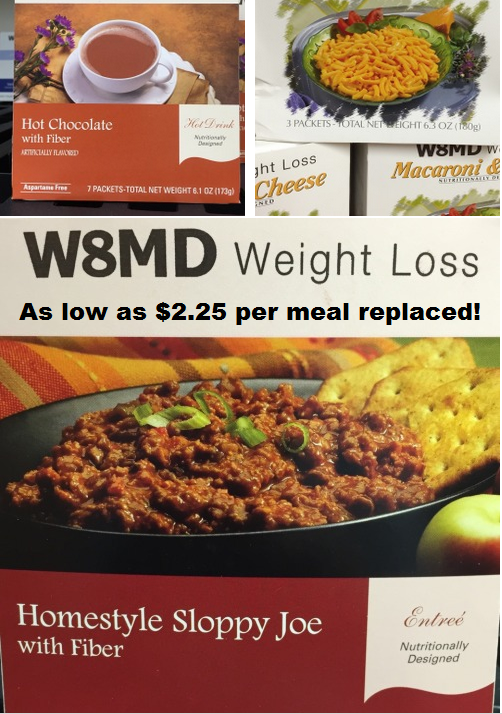
- Protein shakes and meal replacements when appropriate
- Monitoring of body mass index, waist circumference, and weight trends
- Support for obesity, overweight, prediabetes, type 2 diabetes, PCOS, fatty liver, and sleep apnea
- Long-term weight loss maintenance support
Practical tips
- Include a protein-rich food at each meal.
- Choose lean proteins more often when trying to reduce calories.
- Use Greek yogurt or cottage cheese instead of sugary snacks.
- Add eggs, chicken, tofu, fish, or beans to salads.
- Use protein shakes only when they fit the overall diet plan.
- Combine protein with non-starchy vegetables for fullness.
- Watch portions of nuts, seeds, cheese, and fatty meats because they are calorie-dense.
- Avoid protein foods prepared with heavy breading, sugar sauces, or deep-fried coatings.
- Drink enough water and include fiber-rich foods to support digestion.
See also
- Protein
- Amino acids
- High-protein diet
- Protein shakes
- Meal replacements
- Weight loss diet
- Medical weight loss
- Low-carbohydrate diet
- Ketogenic diet
- Chicken
- Eggs
- Fish
- Greek yogurt
- Cottage cheese
- Tofu
- Tempeh
- Beans
- Lentils
- Nuts and seeds
- W8MD Weight Loss, Sleep and Medspa
Also see